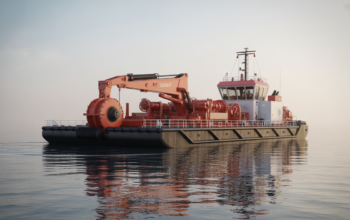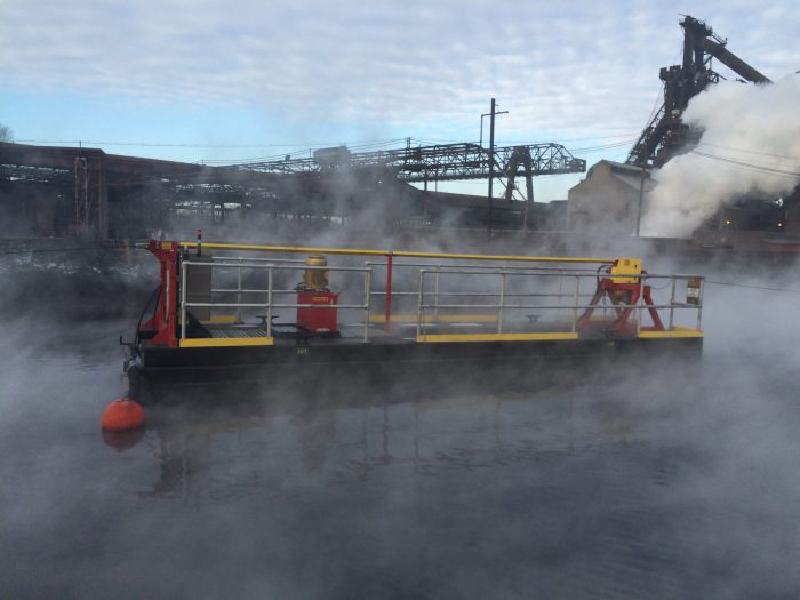
Industrial pond dredging is a vital process for the maintenance and preservation of aquatic ecosystems, particularly in industrial areas where pollution and sedimentation can accumulate over time. By removing pollutants, sediments, and debris from these ponds, dredging helps to restore and maintain water quality, supporting the health and sustainability of both aquatic life and surrounding environments.
Industrial Pond Dredging Removes Pollutants
One of the primary benefits of industrial pond dredging is its ability to remove pollutants from the water. Industrial activities often result in the release of various contaminants into nearby ponds, including chemicals, heavy metals, and organic pollutants. Over time, these pollutants can accumulate in sediments at the bottom of the pond, posing serious risks to aquatic organisms and potentially contaminating groundwater supplies. Dredging helps to mitigate these risks by physically removing polluted sediments, thereby improving water quality and reducing the threat to both wildlife and human health.

Industrial Pond Dredging Supports Biodiversity
Healthy aquatic ecosystems rely on a diverse array of species to maintain balance and function effectively. However, industrial pollution and sedimentation can degrade habitats and diminish biodiversity by altering water quality and destroying critical habitats. Industrial pond dredging plays a crucial role in supporting biodiversity by restoring and maintaining healthy aquatic environments. By removing pollutants and sediments that can harm native species and their habitats, dredging helps to create conditions that are conducive to the survival and proliferation of diverse aquatic life forms.
Industrial Pond Dredging Reduces Flood Risks
Accumulation of sediments and debris in industrial ponds can increase the risk of flooding during periods of heavy rainfall or storm events. Excessive sedimentation can reduce the storage capacity of the pond, causing water levels to rise rapidly and overflow into surrounding areas. Industrial pond dredging helps to mitigate these flood risks by removing sediment buildup and restoring the original capacity of the pond to hold water. By maintaining proper drainage and water flow, dredging can help to prevent flooding and minimize the potential for damage to property and infrastructure.
Industrial Pond Dredging Maintains Ecological Balance
Industrial activities can disrupt the natural balance of aquatic ecosystems, leading to declines in water quality and biodiversity. Sedimentation, pollution, and habitat destruction can all contribute to ecological imbalances that threaten the health and stability of these environments. Industrial pond dredging plays a critical role in restoring and maintaining ecological balance by removing pollutants, restoring habitat diversity, and promoting the recovery of native species. By addressing the root causes of environmental degradation, dredging helps to ensure that industrial ponds remain healthy and resilient ecosystems.
Industrial Pond Dredging Improves Water Clarity
Poor water clarity can indicate high levels of sedimentation and suspended particles in industrial ponds, which can impair visibility and disrupt aquatic life. Industrial pond dredging helps to improve water clarity by removing sediment buildup and suspended solids from the water column. By restoring natural light penetration and reducing turbidity, dredging creates conditions that are conducive to the growth of aquatic plants and the survival of visual predators. Improved water clarity also enhances recreational opportunities and aesthetic value, benefiting both wildlife and human users of industrial pond environments.
Industrial Pond Dredging Maintains Depth
The depth of an industrial pond is a critical factor that influences its capacity to store water, support aquatic life, and perform essential functions. Over time, sedimentation can accumulate at the bottom of the pond, reducing water depth and limiting its utility for industrial purposes. Industrial pond dredging helps to maintain adequate depth by removing excess sediment and restoring the original contours of the pond basin. By preserving depth, dredging ensures that industrial ponds remain functional and adaptable to changing environmental conditions, supporting a wide range of industrial activities and ecosystem services.
Industrial Pond Dredging Ensures Operational Efficiency
Industrial ponds play a vital role in various industrial processes, including water supply, wastewater treatment, and stormwater management. However, sedimentation and pollution can impair the efficiency and effectiveness of these operations, leading to increased costs and operational challenges. Industrial pond dredging helps to ensure operational efficiency by removing obstacles, improving water quality, and restoring optimal conditions for industrial activities. By maintaining clean and functional ponds, dredging enhances the reliability and performance of industrial systems, contributing to overall productivity and sustainability.
Conclusion
Industrial pond dredging is a multifaceted process that offers numerous benefits for the health, functionality, and sustainability of aquatic ecosystems in industrial settings. By removing pollutants, supporting biodiversity, reducing flood risks, maintaining ecological balance, improving water clarity, preserving depth, and ensuring operational efficiency, dredging plays a critical role in preserving the integrity of industrial ponds and the surrounding environment. As industries continue to grapple with the challenges of pollution and environmental degradation, the importance of industrial pond dredging as a proactive and sustainable solution cannot be overstated.

Meet Billy Bean, a tech aficionado with a knack for decoding the latest digital trends. With a background in software engineering, Billy dives deep into emerging technologies, from AI to blockchain, offering expert insights in digestible bites. Stay ahead of the curve with Billy as your guide through the fast-paced world of innovation.