

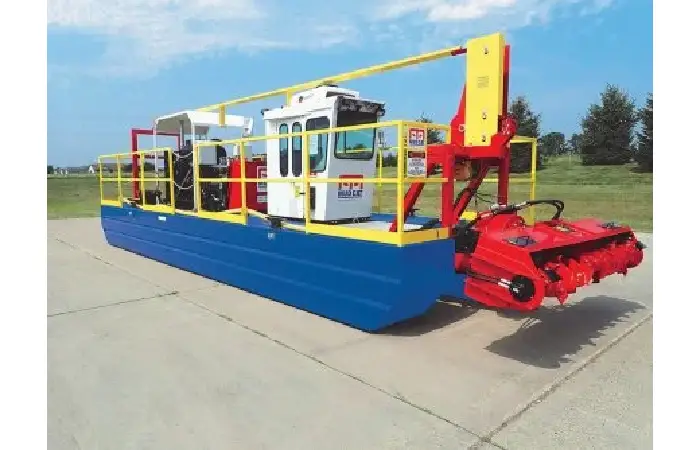
When it comes to shallow water dredging projects, selecting the right dredging equipment is critical for ensuring efficiency, minimizing environmental impact, and staying within budget. One of the most effective and suitable options for these types of tasks is a small dredge. These compact yet powerful machines offer a wide array of benefits, making them ideal for handling shallow water dredging projects in various environments, from inland lakes and rivers to harbors and shallow coastal areas. In this article, we’ll explore the reasons why a small dredge is the perfect choice for shallow water dredging, highlighting its unique advantages.
Maneuverability In Tight Spaces
One of the main advantages of a small dredge is its superior maneuverability. Shallow water environments often have restricted access or tight spaces where larger dredging equipment would be unable to operate effectively. Small dredges are designed with compact frames and lighter structures, enabling them to navigate easily through narrow and confined spaces, such as canals, lagoons, and small harbors. Their ability to work in these challenging areas makes them indispensable for shallow water dredging projects.
Furthermore, small dredges can access areas that are often too shallow for larger equipment, ensuring a more thorough dredging process. This is particularly important in maintaining waterways that experience sediment build-up, such as marinas, boat docks, or residential ponds.
Cost-Effective Solution
Cost considerations are always at the forefront of any dredging project, especially for smaller-scale operations or projects with a limited budget. A small dredge is more affordable than its larger counterparts in several ways. First, its lower purchase cost makes it an accessible option for many businesses or municipalities. Additionally, smaller dredges typically require less fuel and fewer personnel to operate, reducing operational costs. Their compact size also means they can be transported more easily, minimizing logistical expenses.
Moreover, small dredges are less likely to cause environmental damage compared to larger dredgers. Because they work on a more localized scale, there is less disruption to the surrounding ecosystem, which can help reduce potential costs related to environmental damage or permits.
Environmental Benefits
In shallow water dredging, minimizing environmental disruption is essential. Small dredges are ideal for projects where maintaining the health of the waterway and its ecosystem is a priority. Their size and versatility allow them to remove sediment and debris efficiently without disturbing surrounding habitats. In areas where wildlife is abundant or sensitive, such as wetland ecosystems or fisheries, a small dredge helps avoid unnecessary destruction to aquatic life.
Additionally, many small dredges are designed with eco-friendly features, such as closed-loop systems that prevent contaminants from being released back into the water. This makes them a suitable option for environmentally conscious dredging projects, helping to protect water quality and aquatic organisms during the dredging process.
Precision And Control
Shallow water dredging projects often require precision, especially when removing specific materials like silt, sand, or debris without disturbing the sediment or the underlying structures. A small dredge offers the level of control and accuracy necessary for these delicate operations. Unlike large dredges that may lack the fine-tuning capabilities, small dredges can work with greater precision, allowing operators to adjust the dredging depth and rate based on the specific needs of the project.
For example, small dredges can be used to clear sediment from boat ramps, marinas, or specific sections of a riverbed without over-dredging or removing too much material. This precision makes them ideal for projects that require careful monitoring and control to ensure the best possible outcome without causing unnecessary harm to the environment.
Ease Of Operation And Maintenance
Another key benefit of small dredges is their ease of operation and maintenance. Smaller dredging equipment typically requires less training for operators, making it accessible to a broader range of workers. In contrast to the complex systems of larger dredgers, small dredges often have simpler mechanisms, reducing the likelihood of operational errors and downtime. The ease of operation also allows for quicker mobilization, enabling the equipment to be deployed swiftly when a project begins.
Maintenance is also less demanding with small dredges. With fewer moving parts and smaller engines, maintenance tasks such as inspections, cleaning, and repairs are easier and less costly. This efficiency reduces the total cost of ownership over the lifespan of the dredge.
Flexible Deployment
A small dredge’s portability makes it an ideal solution for a variety of shallow water dredging projects. These units are generally lightweight and can be deployed in remote or hard-to-reach areas, where larger dredgers might be impractical or difficult to transport. For instance, when dredging a small creek or stream, a small dredge can be easily moved from one location to another, facilitating a more efficient process that minimizes time spent on setup and breakdown.
Moreover, small dredges can be operated from a variety of platforms, including barges, boats, or land-based equipment, giving operators a range of options for deployment. This versatility allows for a tailored approach based on the project’s specific needs, further improving efficiency and outcomes.
Low Impact On Infrastructure
In shallow water dredging, infrastructure such as piers, docks, and shorelines can be vulnerable to damage during the dredging process. A small dredge, due to its lightweight and compact design, can navigate close to these structures without causing significant disruption or damage. This is especially important for projects near valuable infrastructure, where the potential for costly repairs could increase the overall project expenses.
The reduced physical footprint of small dredges ensures that the impact on the surrounding area is kept to a minimum. This is beneficial for maintaining the integrity of nearby structures and avoiding additional repair work after the dredging is complete.
Versatility In Material Removal
Small dredges are not limited to removing just one type of material; they are versatile machines capable of handling various types of sediment, debris, and contaminants. Whether you are dredging to remove silt, muck, sand, or even small rocks, a small dredge can be equipped with different types of dredging heads and pumps to suit the material you need to remove. This flexibility makes them a useful tool for a range of shallow water dredging projects, from cleaning out marinas to restoring the navigability of canals or riverbeds.
Faster Project Completion
Thanks to their ability to operate with precision and in tight spaces, small dredges often allow for quicker project completion compared to larger dredging equipment. The compact design of small dredges makes them less disruptive and able to maintain continuous operation without the need for frequent downtime or adjustments. Additionally, their fuel efficiency and lower maintenance needs allow for longer operational hours per day, speeding up the dredging process.
This faster completion time can be particularly important for projects with strict timelines or those involving seasonal activities, such as recreational boating or fishing seasons.
Conclusion
For shallow water dredging projects, a small dredge offers numerous benefits, from its affordability and ease of operation to its precision and environmental advantages. These machines are a versatile, cost-effective, and environmentally conscious solution that provides the necessary tools for efficient dredging in restricted, sensitive, or hard-to-reach areas. With their superior maneuverability, low impact on the surrounding environment, and ability to handle a variety of materials, small dredges are the ideal choice for shallow water dredging projects. Whether you’re managing a marina, cleaning a riverbed, or restoring a wetland, a small dredge can help you achieve your dredging goals with minimal hassle and maximum results.
Resource URL:
https://en.wikipedia.org/wiki/Dredging
https://mudcatdredge.com/waterway-dredging-systems/

Meet Billy Bean, a tech aficionado with a knack for decoding the latest digital trends. With a background in software engineering, Billy dives deep into emerging technologies, from AI to blockchain, offering expert insights in digestible bites. Stay ahead of the curve with Billy as your guide through the fast-paced world of innovation.