

Trigger finger is a condition that affects the tendons in your fingers, causing them to become stiff and restricting movement. It can cause pain, discomfort, and frustration, as your fingers may lock or catch in a bent position. For those experiencing trigger finger, the good news is that effective treatments can improve your quality of life significantly, helping you regain hand function, reduce pain, and return to your daily activities without difficulty.
In this article, we will explore what trigger finger is, its causes and symptoms, and how various treatment options can make a difference in your life.
What Is Trigger Finger?
Trigger finger treatment, medically known as stenosing tenosynovitis, is a condition where one of your fingers or your thumb becomes stuck in a bent position. This happens when the tendon that controls the finger becomes irritated and inflamed. As a result, the tendon can get “stuck” inside the sheath that surrounds it. When the finger is straightened or bent, it can make a popping or clicking sound, almost as if it were triggering a release.
In severe cases, the finger may remain locked in a bent position until it is manually straightened. Trigger finger can affect anyone but is more commonly seen in individuals who perform repetitive movements or activities that involve gripping.
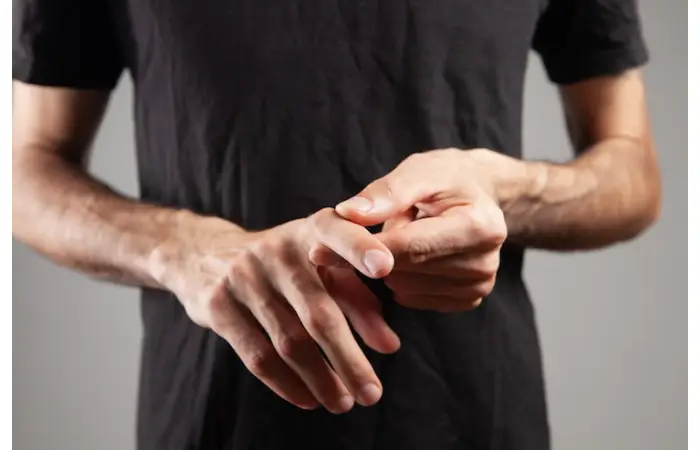
Symptoms Of Trigger Finger
The symptoms of trigger finger can vary depending on the severity of the condition. Early signs include:
- Pain and Tenderness: This typically occurs at the base of the finger, especially when making a fist or gripping objects.
- Stiffness: You may notice that your finger feels stiff, particularly after rest or in the morning.
- Popping or Clicking Sound: As you move the affected finger, you may hear or feel a snapping sensation.
- Finger Locking: In more severe cases, your finger may become locked in a bent position, which can be painful and make everyday tasks difficult.
If left untreated, trigger finger can limit your range of motion, and the finger may become permanently bent.
When is Surgery Necessary for Trigger Finger Treatment?
Surgery is necessary for trigger finger treatment when conservative methods, such as splinting, physical therapy, or corticosteroid injections, fail to provide relief. It is typically recommended if the condition persists for several months, severely limits finger movement, or causes intense pain that interferes with daily activities. Surgery, called trigger finger release, involves releasing the constricted tendon sheath to restore smooth tendon movement. This procedure is minimally invasive, performed under local anesthesia, and has a high success rate. Patients often choose surgery when other treatments don’t work or when the condition worsens, causing the finger to lock in a bent position.
Conservative Treatments for Trigger Finger
For many people, conservative treatments are sufficient to manage trigger finger. These non-invasive methods are aimed at reducing pain, improving function, and preventing the condition from worsening.
- Rest and Activity Modification: One of the first steps in managing trigger finger is giving the affected finger time to heal. Avoiding activities that aggravate the condition, such as repetitive gripping or heavy lifting, can help relieve tension on the tendon.
- Ice and Heat Therapy: Applying ice packs to the affected area can help reduce swelling and inflammation. Heat therapy can also be beneficial for relaxing tight tendons. Alternating between ice and heat can improve blood circulation and ease discomfort.
- Splints and Braces: A trigger finger splint can be worn to keep the affected finger in a neutral position, especially during sleep. This helps prevent the finger from locking and gives the tendon a chance to heal.
- Nonsteroidal Anti-Inflammatory Drugs (NSAIDs): Over-the-counter medications such as ibuprofen or naproxen can help reduce pain and swelling associated with trigger finger. These medications provide relief for mild to moderate symptoms.
Physical Therapy for Trigger Finger
Physical therapy can be an effective option for improving the flexibility and strength of the affected finger. A trained hand therapist can guide you through exercises designed to stretch the tendon and restore motion. Stretching exercises can prevent stiffness and improve the finger’s range of motion, allowing you to move it more freely.
Your therapist may also use techniques like ultrasound or massage to promote healing and reduce pain. Physical therapy is particularly useful for patients who want to avoid surgery or who have mild to moderate symptoms.
Steroid Injections for Trigger Finger
If conservative treatments aren’t providing sufficient relief, your doctor may recommend a corticosteroid injection directly into the tendon sheath. Steroid injections are one of the most effective ways to reduce inflammation and pain in the affected finger. In many cases, the injection can relieve symptoms within a few days, providing significant relief for several months.
While steroid injections are highly effective, they may not provide permanent results. In some instances, multiple injections are needed over time. However, for many people, this treatment offers significant improvement in quality of life.
Surgery for Trigger Finger
When other treatments do not alleviate the symptoms of trigger finger, surgery may be necessary. Surgical intervention aims to release the constricted tendon, allowing it to glide more smoothly through the tendon sheath. This procedure is typically done as an outpatient surgery under local anesthesia, and most patients experience significant relief from symptoms within weeks.
Surgery is highly effective, with success rates of over 90%. It is often recommended for people with persistent symptoms who have not responded to other treatments. After surgery, most people are able to resume normal activities without restrictions.
Benefits Of Trigger Finger Treatment
Regardless of which treatment approach is used, addressing trigger finger can lead to significant improvements in your quality of life. Here are some of the key benefits:
- Pain Relief: The most immediate benefit of trigger finger treatment is pain relief. By reducing inflammation and restoring normal tendon movement, treatments can help alleviate the pain that comes with triggering or locking fingers.
- Restored Function: Treatment options like physical therapy and steroid injections can restore the finger’s ability to move without restriction, allowing you to grip, hold, and perform daily tasks with ease.
- Improved Mobility: As swelling and inflammation subside, the finger’s range of motion improves, helping you regain normal function and reduce the risk of permanent damage to the tendons.
- Prevention of Long-Term Disability: If left untreated, trigger finger can lead to permanent deformities and decreased hand function. Early treatment can prevent this from happening, ensuring that you can continue to perform daily activities like cooking, typing, and driving.
- Fewer Work Interruptions: People who rely on their hands for work—whether in an office setting, manual labor, or creative professions like music—can return to their jobs without the physical limitations that come with trigger finger.
Conclusion
Trigger finger may seem like a minor issue, but it can significantly impact your daily life, limiting your ability to perform essential tasks and causing unnecessary pain. Thankfully, with the right trigger finger treatment plan, you can alleviate symptoms, restore hand function, and improve your overall quality of life.
From conservative treatments like rest and splints to more advanced options such as corticosteroid injections and surgery, there are many solutions available to help you manage this condition effectively. By seeking timely treatment, you can avoid long-term complications and continue to enjoy the activities and tasks that matter most to you.

Meet Billy Bean, a tech aficionado with a knack for decoding the latest digital trends. With a background in software engineering, Billy dives deep into emerging technologies, from AI to blockchain, offering expert insights in digestible bites. Stay ahead of the curve with Billy as your guide through the fast-paced world of innovation.