
Purchasing land for sale in Florida is an exciting investment, whether for residential, agricultural, or commercial purposes. However, one of the most critical steps in land development is securing essential utilities such as water and electricity. Without these, your land remains undeveloped and difficult to use. This guide will provide an in-depth look at how to set up water and electricity on your land in Florida, including costs, processes, and legal considerations.
Understanding Zoning And Utility Availability
Before buying land for sale in Florida, it’s essential to check the zoning regulations and utility availability. Some properties may already have utility connections, while others require additional steps to get water and electricity installed. Contact the local zoning department or city planning office to verify:
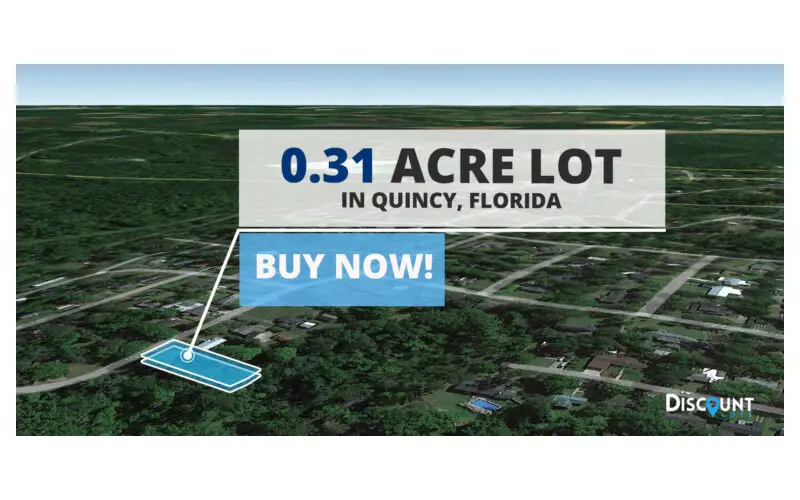
- Whether the land is in a serviced area (near water and power lines)
- Restrictions or permits required for new utility connections
- Whether the land is in an off-grid zone
Knowing these details in advance can save time and money when developing your property.
How To Get Water On Your Land In Florida?
Access to water is a fundamental need when developing land. There are three primary options for obtaining water:
A. Connecting to a Municipal Water Supply
If the land is near a developed area, connecting to a public water supply may be an option. To do this:
- Contact the local water utility provider to check availability.
- Apply for a new water service connection.
- Pay the necessary fees, including connection and impact fees.
- Hire a licensed plumber to complete the installation from the main water line to your property.
Costs: Connection fees vary based on location, but they typically range between $1,000 and $5,000.
B. Installing a Well
For rural or remote land for sale in Florida, drilling a well is often the best solution. The steps include:
- Hiring a licensed well driller.
- Obtaining a permit from the Florida Department of Environmental Protection (FDEP).
- Drilling and installing the well pump and filtration system.
Costs: A well in Florida can cost between $3,000 and $15,000, depending on depth and water quality.
C. Rainwater Collection
If permitted by local regulations, rainwater harvesting can supplement or provide an alternative water source. To set up a rainwater collection system:
- Install large-capacity water storage tanks.
- Set up gutters and filtration systems.
- Follow state guidelines for potable and non-potable water usage.
Costs: A basic rainwater system can cost between $500 and $5,000, depending on capacity.
How To Get Electricity On Your Land In Florida?
Electricity is crucial for powering homes, irrigation systems, and other land uses. Here are the main ways to secure electricity for your land:
A. Connecting to the Power Grid
If your land is near existing power lines, the process to connect to the grid includes:
- Contacting the local electric company to determine service availability.
- Applying for a new service connection.
- Paying connection fees, which vary based on distance from the nearest power source.
- Hiring an electrician to install the service panel and wiring.
Costs: Connection fees typically range from $1,500 to $10,000, depending on the distance to existing infrastructure.
B. Installing Solar Power
For land for sale in Florida located in remote areas, solar power is a great off-grid solution. The process involves:
- Conducting an energy assessment to determine solar panel needs.
- Purchasing and installing solar panels, inverters, and batteries.
- Securing permits from local authorities if required.
Costs: A complete off-grid solar system costs between $10,000 and $50,000, depending on energy needs.
C. Using a Generator
For temporary power needs, such as during construction, a generator is an efficient solution. When choosing a generator:
- Calculate power requirements.
- Select a fuel type (gasoline, diesel, or propane).
- Ensure proper ventilation and compliance with noise regulations.
Costs: A good-quality generator costs between $500 and $5,000.
Legal And Permit Considerations
Before installing water or electricity, it’s important to check with local and state authorities regarding necessary permits and regulations. Key steps include:
- Obtaining a building permit (if developing a home or structure).
- Applying for environmental permits (especially for well drilling and septic systems).
- Ensuring compliance with Florida’s environmental and zoning laws.
Conclusion
When purchasing land for sale in Florida, securing water and electricity is a crucial step toward making your property functional. Whether you choose municipal connections, wells, solar power, or other methods, careful planning and budgeting are key to a successful setup. Working with professionals, such as licensed electricians and well drillers, can ensure a smooth process and compliance with Florida’s regulations. By following these steps, you can efficiently set up utilities on your land and move forward with your development plans with confidence.

Meet Billy Bean, a tech aficionado with a knack for decoding the latest digital trends. With a background in software engineering, Billy dives deep into emerging technologies, from AI to blockchain, offering expert insights in digestible bites. Stay ahead of the curve with Billy as your guide through the fast-paced world of innovation.