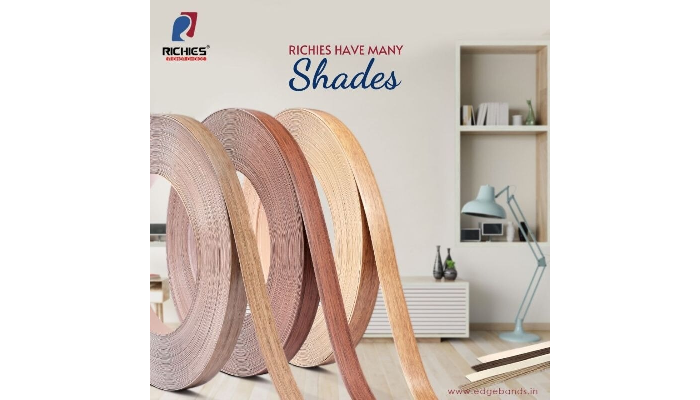
Edge banding tape plays a crucial role in modern furniture and cabinetry, offering both aesthetic and functional benefits. It is a thin material applied to the raw edges of wood-based panels such as MDF, plywood, and particleboard to enhance durability and appearance. However, one of the most significant advantages of edge banding tape is its ability to protect furniture and wooden structures from moisture and damage. Without proper edge sealing, wood-based materials can absorb moisture, leading to swelling, warping, and degradation over time.
Moisture Protection: Preventing Swelling And Warping
One of the primary threats to wooden furniture and cabinetry is moisture infiltration. When exposed to humidity or direct water contact, wood-based panels can absorb moisture through their exposed edges. This absorption can lead to swelling, softening, and warping, which can significantly compromise structural integrity.
Edge banding tape acts as a protective shield by sealing the exposed edges, preventing moisture from penetrating the core material. In kitchen and bathroom environments where high humidity levels are common, edge banding tape becomes indispensable. Without proper edge sealing, cabinets, countertops, and shelving units in these areas are at risk of premature deterioration.
Protection Against Mechanical Damage
Apart from moisture resistance, edge banding tape also protects against mechanical damage such as chipping, impact damage, and abrasions. Unprotected edges of wooden furniture are highly susceptible to accidental bumps, especially in high-traffic areas such as offices, schools, and commercial spaces.
For example, in office desks, bookshelves, and workstations, frequent contact with chairs, briefcases, and other objects can lead to chipped edges. Similarly, in kitchens, countertops are exposed to constant use, where knives, utensils, and other objects may cause surface damage. Applying edge banding tape reinforces the edges, ensuring they remain intact despite daily wear and tear.
Enhancing Furniture Longevity And Performance
By mitigating moisture absorption and preventing mechanical damage, edge banding tape directly contributes to the longevity and performance of furniture. Without this protective layer, wooden furniture may require frequent repairs or replacements due to deterioration. By investing in quality edge banding tape, manufacturers and homeowners can significantly extend the lifespan of their furniture.
This is especially important in commercial environments, where furniture and fixtures are subjected to constant usage. Offices, hotels, and retail stores rely on durable furniture that maintains its appearance and functionality over time. Edge banding tape ensures that tables, cabinets, and shelving units remain in optimal condition, reducing maintenance costs and enhancing overall aesthetics.
Choosing The Right Edge Banding Tape For Maximum Protection
Selecting the appropriate edge banding tape depends on several factors, including material type, environmental conditions, and intended use. Here are some key considerations:
- Material Type – PVC and ABS edge banding tapes are ideal for moisture-rich environments, such as kitchens and bathrooms, due to their water-resistant properties. Wood veneer edge banding tape is better suited for indoor furniture where aesthetics are a priority but may require additional sealing.
- Adhesive Strength – The adhesive used in edge banding tape determines its bonding strength. Pre-glued variants with hot-melt adhesive offer convenience, while non-glued tapes provide flexibility in adhesive selection. Strong adhesion is critical in preventing moisture infiltration and ensuring long-term durability.
- Thickness and Width – Edge banding tape comes in various thicknesses and widths. Thicker tapes provide better impact resistance, making them ideal for furniture in high-traffic areas. The width should be chosen based on the thickness of the furniture panel for a seamless fit.
- Finishing and Aesthetic Appeal – Edge banding tape should complement the furniture’s design while providing protection. Options such as gloss, matte, and textured finishes allow customization based on the intended style and décor.
- Application Method – Depending on the project scale, edge banding tape can be applied manually using an iron or edge banding machine. Industrial applications often require high-speed machines for precision and efficiency.
Installation And Maintenance For Optimal Protection
Proper installation of edge banding tape is crucial for ensuring its protective benefits. The application process typically involves the following steps:
- Surface Preparation – The furniture edge should be clean, dry, and free from dust or grease to ensure strong adhesion.
- Application of Adhesive (if required) – For non-glued edge banding tape, an appropriate adhesive must be applied evenly.
- Heat Activation – Pre-glued tapes require heating using an iron or edge banding machine to activate the adhesive and bond it to the surface.
- Pressing and Trimming – Once applied, the tape should be pressed firmly to eliminate air bubbles. Excess material can be trimmed using a utility knife or edge trimmer.
- Sealing and Finishing – In cases where additional sealing is needed, especially for wood veneer edge banding tape, a protective lacquer or sealant can be applied.
Regular maintenance further enhances the longevity of edge banding tape. Simple cleaning with a damp cloth and mild detergent helps maintain its appearance. Avoid using harsh chemicals that could weaken the adhesive or cause discoloration. Checking for loose edges and reapplying adhesive when necessary prevents potential moisture infiltration.
Conclusion
Edge banding tape plays an essential role in moisture and damage protection for wood-based furniture and cabinetry. By sealing exposed edges, it prevents water absorption, swelling, and warping, while also offering impact resistance against mechanical damage. Whether used in residential, commercial, or industrial settings, edge banding tape significantly extends furniture lifespan and maintains structural integrity.
Choosing the right material, ensuring proper installation, and following maintenance practices are key to maximizing the protective benefits of edge banding tape. With its ability to enhance durability and aesthetic appeal, edge banding tape remains a crucial element in modern furniture manufacturing and interior design.

Meet Billy Bean, a tech aficionado with a knack for decoding the latest digital trends. With a background in software engineering, Billy dives deep into emerging technologies, from AI to blockchain, offering expert insights in digestible bites. Stay ahead of the curve with Billy as your guide through the fast-paced world of innovation.