

Animal behavior experts dive into a fascinating world, studying how creatures act and react in their habitats. These professionals use scientific methods, combining observation with experiments to decode behaviors. They focus on key areas like ethology, comparative psychology, and cognitive ethology. Each aspect reveals different layers of animal instincts and thoughts. Patience is crucial — often, experts wait long hours for that one rare moment of insight. Technology plays a vital role too; tools like GPS collars gather detailed data without disturbing the animals’ routines. Overall, their work informs conservation efforts, enriches our understanding of animal welfare, and helps improve interactions with pets.
1. What Animal Behavior Experts Do?
Animal behavior expert delve deep into the actions and reactions of animals, using scientific methods to observe and interpret behaviors. They focus on various aspects of behavior, including instinctive actions in natural settings and learned behaviors influenced by experiences. Through careful observation and experimentation in both controlled and natural environments, they gather valuable data. For instance, they might spend hours in the field documenting a particular species’ mating rituals or feeding habits.
Their work often encompasses different areas such as ethology, comparative psychology, and cognitive ethology, each offering unique insights into why animals behave the way they do. Ethologists might focus on instinctual behaviors, while comparative psychologists look at similarities and differences across species to understand evolutionary factors. Cognitive ethologists investigate the mental processes that drive behavior, shedding light on how animals solve problems or make decisions.
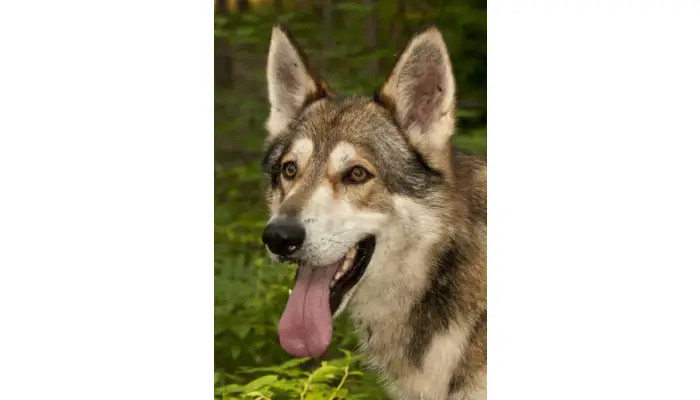
2. Key Areas of Animal Behavior Study
Animal behavior experts dive deep into various key areas to understand the complexities of how animals act and react. One of the primary focuses is ethology, which examines animal behavior in their natural habitats. This field emphasizes instinctual behaviors, like nesting in birds or foraging in primates. Another vital area is comparative psychology, where researchers compare behaviors across species. This helps reveal the evolutionary roots of certain actions. For example, studying how different types of animals communicate can shed light on the development of social structures.
Cognitive ethology adds another layer by exploring the mental processes behind behaviors. This involves investigating how animals solve problems or make decisions. For instance, studies have shown that crows can use tools, showcasing their problem-solving abilities. By examining these key areas, experts can gain a holistic understanding of animal behavior, which is crucial for applications in conservation and animal welfare.
3. How Experts Research Animal Behavior?
Animal behavior experts employ a variety of methods to study how animals act and react in different environments. One primary approach is through observation, where experts spend hours, sometimes days, watching animals in their natural habitats. This might involve tracking the movements of a herd of elephants or observing the mating rituals of birds. The insights gathered from these observations are crucial for understanding instinctive behaviors and social interactions.
In addition to observation, researchers often conduct controlled experiments to test specific hypotheses about animal behavior. For example, they might set up a maze to see how quickly a rat can navigate it under different conditions, providing valuable data on learning and memory.
4. Traits of Successful Animal Behaviorists
Successful animal behaviorists possess a unique blend of traits that enable them to excel in their field. First and foremost, patience and persistence are crucial; understanding animal behavior often requires long hours of observation and sometimes waiting for rare moments to unfold. For example, a behaviorist studying the mating rituals of a particular bird species may spend weeks in the field, waiting for the right conditions to capture those intricate behaviors.
Attention to detail is another vital trait. Small changes in an animal’s environment, social dynamics, or even weather conditions can significantly influence behavior. An expert must be keenly aware of these nuances to draw accurate conclusions. Additionally, interdisciplinary knowledge enriches their insights. By integrating principles from ecology, psychology, and even sociology, behaviorists can develop a more comprehensive understanding of why animals behave the way they do. This holistic approach can lead to breakthroughs in understanding complex behaviors, such as problem-solving in primates or social structures in wolf packs.
- Exceptional observation skills
- Strong analytical thinking
- Patience and perseverance
- Effective communication
- Ability to adapt methods
- Passion for animal welfare
- Collaborative mindset
5. Technology Used in Animal Behavior Research
Technology plays a crucial role in the modern study of animal behavior, enabling researchers to gather data in ways that were previously impossible. For instance, camera traps allow experts to capture images or videos of animals in their natural habitats, providing insights into their behaviors without human interference. This non-invasive method helps to observe animals in their everyday activities, from hunting to social interactions, without altering their natural patterns.
GPS collars are another innovative tool that has transformed research. By tracking an animal’s movements in real-time, researchers can analyze migration patterns, habitat use, and social dynamics. This technology is particularly important for studying species that roam large territories or face threats from habitat loss. For example, tracking the movements of wolves can reveal how they interact with their environment and each other, informing conservation strategies.
Remote sensing technology, including drones, has also emerged as a valuable resource. Drones can survey large areas quickly, capturing data on animal populations and their habitats. This is especially useful in monitoring endangered species or conducting wildlife surveys in hard-to-reach locations.
6. Real-World Applications of Animal Behavior Insights
Animal behavior insights have practical implications across various fields. In conservation, understanding the social structures and mating behaviors of endangered species helps develop effective breeding programs. For example, studying the vocalizations of certain bird species can reveal their social dynamics, guiding efforts to protect their habitats. In animal welfare, behavior research informs better practices in shelters and sanctuaries, ensuring that animals receive the right type of enrichment to thrive. Furthermore, in the realm of training pets and service animals, behaviorist principles are utilized to foster positive interactions and effective learning. Techniques such as positive reinforcement are rooted in our understanding of how animals learn and respond to stimuli. Additionally, insights into human-animal interactions inform public policies, enhancing coexistence between wildlife and urban development. Overall, the applications of animal behavior research are vast, impacting conservation strategies, animal care, and our relationship with the animal kingdom.
7. Misunderstandings About Animal Behavior
Many people believe that animal behavior is entirely instinctual, but this is a misunderstanding. Animals can learn from their experiences, and their behaviors can change over time. For example, dogs can be trained to perform tasks, showing that learning plays a crucial role in their actions. Another common misconception is anthropomorphism, where humans attribute human emotions and traits to animals. This can lead to misinterpretations; for instance, when a cat hisses, it may not be showing anger but rather fear or a desire to protect its space. Understanding these nuances is essential for anyone interested in animal behavior.
8. Collaboration Among Animal Behavior Experts
Collaboration is a vital component in the field of animal behavior. Experts in this area often join forces with zoologists, ecologists, and conservationists to enhance their understanding and application of research findings. For instance, a team might include a behavioral scientist studying the social dynamics of elephants, an ecologist assessing their habitat, and a conservationist working on strategies to protect these animals. This multidisciplinary approach ensures that insights gained from animal behavior studies are effectively integrated into broader conservation efforts.
Moreover, communication plays a key role in these collaborations. Sharing knowledge through workshops, conferences, and public talks helps bridge the gap between scientific findings and real-world applications. For example, when researchers uncover critical insights about a species’ mating rituals, they can work with wildlife managers to develop better protection strategies during breeding seasons. This synergy not only advances the field but also raises public awareness about animal welfare issues, making the efforts of animal behavior experts even more impactful.
9. Ethical Standards in Animal Research
Ethical considerations are critical in animal behavior research. The well-being of animal subjects must always come first. Researchers adhere to strict guidelines that govern how animals are treated during studies. This includes ensuring they are not subjected to unnecessary stress or harm. For example, when studying social behaviors in primates, researchers may use non-invasive observation techniques to avoid disturbing their natural interactions.
Moreover, the impact of human activity on animal behavior is a focal point of study. Understanding how habitat destruction or climate change affects species helps develop conservation strategies. Researchers often collaborate with ethicists to review their methods and ensure their studies contribute positively to animal welfare and environmental health. This commitment to ethical standards not only protects animals but also enhances the credibility and integrity of the research conducted.
10. Ongoing Learning in Animal Behavior Field
The field of animal behavior is constantly evolving, and experts must stay updated on the latest research and methodologies. This ongoing learning often occurs through attending conferences, collaborating with peers, and engaging in new studies. For instance, advancements in technology may introduce fresh ways to monitor animal behaviors, requiring experts to adapt their techniques. Additionally, as new findings emerge about animal cognition or social structures, behaviorists must reassess previous assumptions and incorporate these insights into their work. Online courses and webinars also provide valuable resources for continuous education. This commitment to learning ensures that animal behavior experts can apply the most current knowledge to their research and practical applications.

Seth Hatfield, a maverick in the realm of writing, seamlessly weaves tales from the world of construction and beyond. With a unique blend of insight and creativity, he invites readers on a journey through his diverse repertoire of articles.