

Improving your 3D design and rendering skills can feel overwhelming, but it doesn’t have to be. First, grasp the basics like modeling, texturing, and lighting; this knowledge is essential. Regular practice is crucial—take on various projects to develop your abilities. Engage with online communities for feedback and inspiration; sites like ArtStation are great for this. Observing real life helps you understand light and textures better, enriching your designs. Don’t shy away from exploring software features; many tools can really boost your efficiency if mastered. Lastly, focus on composition for storytelling in your images and seek inspiration from multiple sources to keep ideas fresh.
1. Understand the Basics of 3D Design
To excel in 3D design and rendering, it’s essential to grasp the fundamental concepts such as modeling, texturing, lighting, and rendering. These elements serve as the backbone of your projects. For instance, when modeling, you need to understand how shapes are constructed and manipulated. Texturing involves applying surfaces to your models, making them look realistic or stylistic depending on your goals. Lighting plays a crucial role in how your design is perceived, as it affects mood and depth. Lastly, rendering translates your 3D scene into a 2D image, showcasing your work. A solid foundation in these areas will support your growth and allow you to tackle more complex projects with confidence.
2. Practice Regularly to Enhance Skills
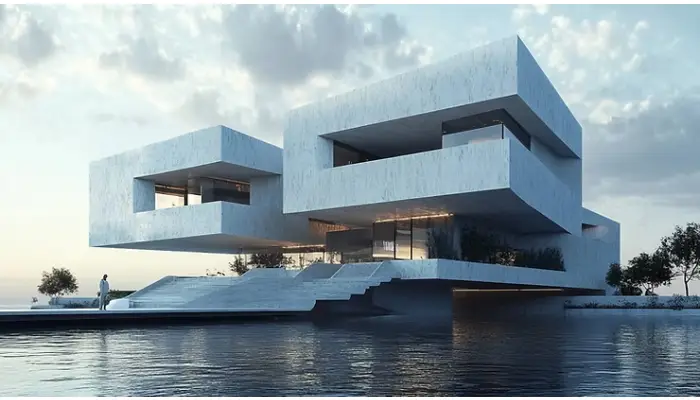
Regular practice is essential for improving your 3D design skills. By working on different projects, you can push your boundaries and dive deeper into the software’s capabilities. For instance, try creating a simple object like a mug, then gradually increase the complexity by adding details or experimenting with textures and lighting. This approach not only helps solidify your understanding of 3D modeling but also encourages you to explore new techniques.
Engaging with the 3D design community can also enhance your learning. Share your projects on platforms like ArtStation or Behance, and don’t hesitate to ask for feedback. Constructive criticism from peers can provide insights you might not have considered and can guide your practice.
Additionally, be sure to study real-world objects and environments. Observing how light interacts with surfaces and how textures appear in different conditions can inform your designs. For example, take a walk and notice the shadows cast by trees or how the texture of a stone varies under sunlight. Incorporating these observations into your practice can lead to more realistic and compelling 3D renderings.
3. Learn from the 3D Design Community
Joining the 3D design community can be a game changer for your skills. By engaging in online forums, social media groups, or professional platforms like ArtStation and Behance, you can connect with other designers at all skill levels. Share your work and seek constructive feedback. This interaction not only helps you identify areas for improvement but also exposes you to different techniques and perspectives. For instance, a simple critique from a fellow designer might highlight an overlooked detail in your lighting or texturing. Additionally, participating in community challenges can push you out of your comfort zone, encouraging you to experiment and grow. Don’t hesitate to ask questions; the community is often eager to help newcomers.
- Join online forums and discussion boards
- Attend local or virtual meetups and workshops
- Participate in social media groups focused on 3D design
- Follow influential 3D artists and designers on platforms like Instagram and Twitter
- Share your work for feedback and critiques
- Collaborate on projects with other designers
- Keep an eye on industry trends and innovations
4. Study Real-World References for Realism
Observing real-world objects and environments is essential for creating realistic 3D designs. When you study how light interacts with surfaces, you start to notice the nuances of shadows and highlights. For example, look at the way sunlight filters through a window, casting intricate patterns on the floor. This observation can be translated into your 3D work by mimicking similar light effects. Pay attention to textures as well; a wooden surface has variations in color and grain that you can replicate in your models to add authenticity. Use high-quality images or even take your own photos to analyze details closely. By grounding your designs in reality, you enrich your work, making it more believable and engaging.
5. Experiment with Software Features
Diving into the various features of your 3D software can be a game changer. Often, designers stick to familiar tools, but exploring the less-used options can open up new possibilities. For instance, if you’re using Blender, try out the sculpting tools for organic models or experiment with the shader nodes for advanced texturing. Each feature has its own unique capabilities; becoming comfortable with them can streamline your workflow and enhance your overall design. Set aside time to play around with different settings, and don’t hesitate to break things. Sometimes, unexpected outcomes can lead to innovative solutions. Remember, even professional designers continuously explore and adapt their techniques to improve their work.
6. Focus on Composition and Visual Storytelling
Composition is a crucial aspect of 3D design that goes beyond just creating models and textures. To effectively tell a story through your visuals, it’s essential to understand how elements interact within a frame. Pay attention to the rule of thirds, balance, and leading lines to guide the viewer’s eye through your work. For example, if you’re rendering a scene of a cozy living room, position key elements like furniture and lighting to create a natural flow that draws the viewer in.
Visual storytelling is about conveying emotion and narrative through your designs. Think about the mood you want to evoke and how color, light, and composition can support that. If your scene aims to depict a serene morning, soft lighting and pastel colors can enhance that feeling. Conversely, for a dramatic effect, high contrast and dynamic angles might be more suitable. Regularly analyzing the composition in popular artworks, movies, or even photographs can provide inspiration and deepen your understanding of how to engage an audience effectively.
7. Seek Inspiration from Various Media
Inspiration can come from a multitude of sources, and as a 3D designer, it’s crucial to tap into these diverse forms of media. Explore photography, where the play of light and shadow can inform your texturing and lighting choices. Movies often showcase stunning visual effects and set designs that can spark your creativity, helping you conceptualize environments that feel alive. Art, whether it’s classical painting or modern digital works, can provide insights into color theory and composition. Additionally, nature itself is a rich source of inspiration, offering intricate textures and organic shapes. By regularly immersing yourself in these various media, you can keep your creative juices flowing and discover new ways to enhance your 3D projects.

Seth Hatfield, a maverick in the realm of writing, seamlessly weaves tales from the world of construction and beyond. With a unique blend of insight and creativity, he invites readers on a journey through his diverse repertoire of articles.