
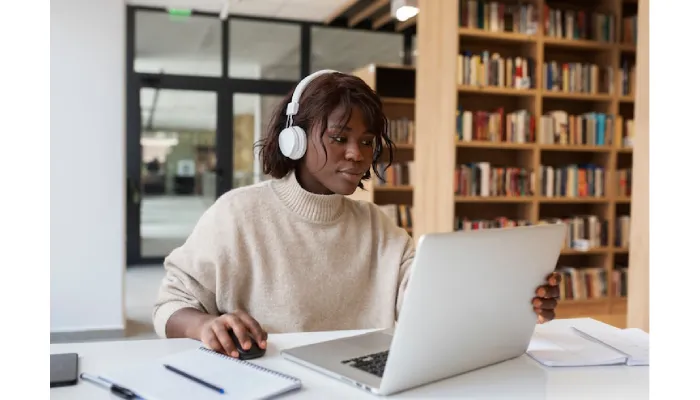
Remote proctoring test services help deliver exams securely by using technology to replicate traditional proctor roles online. They verify test-takers’ identities through webcam checks and personal questions, while monitoring the testing environment to prevent cheating. System integrity is maintained by controlling computer activity and restricting unauthorized software. AI tools analyze video and audio for suspicious behavior, with human proctors available to intervene when needed. These services keep detailed records for audit purposes and comply with privacy standards. By combining flexibility with security measures, remote proctoring supports fair exam delivery without compromising convenience or integrity for candidates worldwide.
What Remote Proctoring Means for Online Exams?
Remote proctoring test uses technology to replicate the role of a traditional exam supervisor, making it possible to monitor exams remotely. This approach lets candidates take tests from any location equipped with internet access, a webcam, and a microphone. The key goal is to preserve exam integrity by preventing cheating and impersonation in an online environment. Remote proctoring combines software tools with human oversight to create a controlled testing atmosphere outside physical test centers. This method offers flexibility by eliminating the need for travel to specific sites, which is especially beneficial for candidates in different regions or with busy schedules. The process includes verifying the test-taker’s identity, scanning their environment, and continuously monitoring their behavior during the exam. AI-driven alerts work alongside live proctors to flag and handle suspicious activity in real time. By adapting traditional supervision to digital formats, remote proctoring supports secure, scalable exam delivery while addressing challenges such as data privacy and technical reliability. Overall, it represents a significant step in the digital transformation of education and certification, balancing convenience with security requirements.

How Identity Verification Works in Remote Proctoring?
Identity verification in remote proctoring starts with a webcam-based facial recognition process that compares the test-taker’s face to the photo on a government-issued ID. This initial step ensures that the person taking the exam matches the registered candidate visually. To strengthen this check, additional personal questions may be asked, such as details about previous addresses or family members, adding another layer of confirmation beyond just the visual match. Many systems go further by analyzing biometric data, including facial landmarks and movement patterns, to confirm the individual’s identity dynamically rather than relying on a static photo alone. Some platforms also incorporate fingerprint or voice recognition as extra security measures. Verification usually happens right before the exam begins and can repeat during the test if the software detects suspicious behavior or anomalies. To prevent identity substitution, secure proctoring software locks the exam session to the verified individual, making it difficult for anyone else to take over the test. If automated checks trigger concerns, live proctors can intervene and request additional proof of identity, such as showing a secondary ID or answering further questions. Importantly, the entire process is designed to be quick and user-friendly, so it doesn’t delay exam start times. All personal data collected during verification is encrypted and deleted after the exam to protect privacy. If the system fails to confirm identity, access to the exam is blocked until the candidate can successfully verify who they are.
Monitoring Exam Environments to Prevent Cheating
Remote proctoring services begin by requiring test-takers to show their physical surroundings via webcam before the exam starts. This initial room scan helps ensure no unauthorized materials or devices are present. Throughout the exam, continuous video and audio monitoring track the test-taker’s behavior, identifying unusual actions like speaking to someone off-camera or using a phone. Screen sharing or secure browser lockdown software restricts navigation away from the exam content and blocks access to prohibited resources, reducing chances of cheating. AI algorithms support this process by analyzing behaviors such as eye movement, head turns, and detecting multiple faces in the room, flagging suspicious activity for further review. Live proctors watch video feeds in real time, ready to intervene or pause the exam if cheating is suspected. Some advanced systems require 360-degree room scans or repeated environment checks to maintain a secure testing space throughout the exam duration. Microphone monitoring also plays a key role in capturing background conversations or noises that may indicate unauthorized assistance. Additionally, proctoring software disables copy-paste functions, screen captures, and prevents opening other applications to maintain system integrity. All video and audio recordings are securely stored, allowing institutions to investigate any flagged incidents after the exam. This layered monitoring approach combines technology and human oversight to create a controlled exam environment that discourages and detects cheating effectively.
Ensuring System Integrity During Remote Tests
Remote proctoring relies heavily on maintaining system integrity to create a secure testing environment. To achieve this, temporary monitoring software is installed on the test-taker’s device, which tracks activity throughout the exam session. This software actively detects and blocks unauthorized applications such as messaging tools, web browsers, or virtual machines that could be used to cheat. Additionally, many proctoring platforms use secure browsers that limit navigation strictly to exam content while disabling functions like screenshots, printing, or copying to prevent content leakage. Before the exam begins, a system scan verifies that the device’s software environment is clean and free of any cheating tools. Continuous monitoring then ensures no unexpected programs launch or windows are switched during the test. Some advanced systems analyze keystroke dynamics and behavioral biometrics to spot unnatural patterns that could indicate fraud. Network traffic is also monitored to prevent data leaks or unauthorized communication. After the exam ends, all temporary software is removed to leave no lasting access on the device. If any system integrity checks raise alerts, these may trigger human review or even immediate exam termination. This layered approach helps protect the exam content from leaks and supports the fairness and validity of the results, making remote testing more trustworthy and robust.
The Role of AI and Live Proctors in Exam Security
AI plays a crucial role in remote proctoring by analyzing video, audio, and interaction data in real-time to spot suspicious activities such as multiple faces appearing on screen or unusual eye movements that may indicate cheating. Machine learning models continuously improve by learning to distinguish between normal candidate behavior and potential cheating attempts, which helps reduce false alarms. However, AI does not make final decisions; instead, it flags incidents for human review to maintain fairness. Live proctors complement this technology by monitoring exams remotely and stepping in when necessary to warn the candidate or stop the test if cheating is confirmed. This combination balances efficiency with the nuanced judgment that only humans can provide. In high-stakes exams, live proctors offer immediate support and manage complex situations that AI alone cannot handle, such as technical issues or ambiguous behavior. AI also eases the workload for proctors by filtering out false positives and highlighting genuine risks, so human attention is focused where it matters most. Proctors can communicate directly with candidates through chat or audio to give instructions or request clarifications, helping maintain a smooth exam flow. Alerts generated include detection of unauthorized devices, suspicious movements, or changes in the candidate’s environment. This hybrid approach enhances exam security while keeping the candidate experience reasonable and less intrusive.
Technologies That Strengthen Remote Exam Delivery
Secure exam platforms combine several advanced technologies into a single solution to maintain exam integrity. AI proctoring works alongside live monitoring to watch for suspicious behaviors, while identity verification methods like facial recognition and biometric authentication confirm candidate identity before and during the exam. Proprietary secure browsers lock down the testing environment by restricting navigation and disabling common cheating tools, ensuring test-takers can only access authorized content. AI-driven behavior analysis monitors unusual patterns in actions, environment, and device usage, flagging potential issues for review. Cloud-based infrastructure supports scalable, round-the-clock exam delivery worldwide, minimizing downtime and technical disruptions. Every exam session is recorded in detail with audit trails capturing video, audio, screen activity, and logs, which provide transparency and enable thorough post-exam reviews. Candidate data is protected through encryption and strict adherence to data privacy regulations. Compatibility across mobile and desktop devices expands access while maintaining security standards. Integration with learning management systems and registration platforms streamlines exam scheduling and workflows. Real-time communication tools allow proctors to assist and guide candidates instantly, improving the overall exam experience and security. For example, Prometric’s ProProctor uses AI for anomaly detection combined with a secure browser and live support to create a robust testing environment that adapts to various exam needs.
Benefits of Using Remote Proctoring Services
Remote proctoring services offer significant benefits that make exam delivery more secure and convenient. Candidates can take exams from home or any suitable location, eliminating the need to travel or adjust to rigid schedules. This flexibility is especially valuable for global test-takers, as exams become accessible across time zones with self-service scheduling options. Security is greatly enhanced through a combination of AI and human proctors, which reduces risks like cheating and impersonation. For example, AI algorithms can spot unusual behaviors or multiple faces in the room, while live proctors intervene when necessary. Secure browsers and monitoring software block unauthorized access to exam content and prevent actions like opening external apps or taking screenshots. Institutions also benefit from cost savings since remote proctoring removes expenses tied to physical test centers, staffing, and logistics. Automation handles much of the monitoring workload, allowing human proctors to focus on critical cases, which improves efficiency. Additionally, remote proctoring supports compliance with certification and regulatory standards by maintaining detailed audit trails and recorded sessions, which help verify exam integrity and assist in investigations if needed. The scalable infrastructure can manage large groups of candidates simultaneously without compromising security or performance. Overall, remote proctoring enables organizations to offer exams that are secure, flexible, and more cost-effective, improving both the candidate experience and institutional oversight.
Addressing Challenges Like Privacy and Technical Issues
Remote proctoring depends heavily on reliable internet connections, functional webcams, microphones, and compatible devices to ensure exams run smoothly. Technical glitches like dropped connections or hardware failures can disrupt the testing process, so providers must offer robust support and fallback options to minimize interruptions. Privacy concerns are central because video and audio are continuously recorded and analyzed during exams. To protect candidates, providers implement data encryption, restrict access to recordings, and maintain transparency about how data is used and stored. Continuous surveillance can make test-takers uncomfortable, so clear communication about monitoring procedures helps ease anxiety and build trust. Since AI algorithms may generate false positives by misinterpreting normal behaviors, human reviewers play a crucial role in verifying flagged incidents to prevent unfair accusations. Accessibility is also important: accommodations should be available for candidates with disabilities or limited technology access to ensure fairness. Striking the right balance between strict security measures and a smooth, respectful test-taking experience remains a key challenge. Policies addressing data retention, candidate consent, and rights must align with legal standards to safeguard privacy and compliance. As technology and processes evolve, ongoing improvements help mitigate these challenges, making remote proctoring more secure and user-friendly over time.
Frequently Asked Questions
1. How does remote proctoring prevent cheating during online exams?
Remote proctoring uses a combination of video monitoring, AI analysis, and browser restrictions to detect suspicious behavior in real-time, minimizing chances of cheating.
2. What technologies are involved in ensuring exam security with remote proctoring?
Remote proctoring relies on webcam feeds, microphone checks, screen sharing, identity verification tools, and AI-powered monitoring software to maintain exam integrity.
3. Can remote proctoring systems adapt to different types of exam formats securely?
Yes, remote proctoring can support various formats, from multiple-choice tests to essay writing, by customizing monitoring rules and technology settings for each exam type.
4. How do remote proctoring services handle privacy concerns while maintaining security?
These services follow strict data protection standards, encrypt exam sessions, and limit access to recordings to authorized personnel only, balancing security and privacy.
5. What happens if a technical issue occurs during a remotely proctored exam?
Most systems include support protocols like automatic pauses, alerts to proctors, and backup identity verifications to address technical problems without compromising exam security.
TL;DR Remote proctoring test services use technology to securely deliver exams outside traditional test centers. They verify test-taker identities, monitor exam environments, and ensure system integrity through AI and human proctors. These services balance security with flexibility, offering global access and reducing costs. Challenges include privacy concerns, technical requirements, and fairness, but leading providers offer solutions to address them. Overall, remote proctoring supports secure, scalable, and convenient exam delivery while maintaining exam integrity.

Seth Hatfield, a maverick in the realm of writing, seamlessly weaves tales from the world of construction and beyond. With a unique blend of insight and creativity, he invites readers on a journey through his diverse repertoire of articles.