

Engaging guests at MC events today means more than just announcing speakers or segments. The modern MC acts like an experience architect, connecting with the audience to create a sense of community, even in large or diverse groups. Effective communication is key: varying tone and pace, using storytelling, and maintaining eye contact help keep attention alive. Inviting audience interaction through polls, games, or simply calling out names makes participants feel seen and involved. Preparing well by rehearsing scripts and working closely with clients ensures a smooth flow despite any challenges. Authenticity and energy on stage help build trust and leave a memorable impression for everyone present.
The Evolving Role of an MC in Modern Events
Today’s MC events are much more than a voice introducing speakers or announcing segments. They act as the event’s experience architect, connecting the stage and audience in ways that go beyond basic announcements. Modern audiences want to feel involved, engaged, and part of something memorable, not just passive listeners. An effective MC creates a sense of community, making large crowds feel more intimate and diverse groups feel united. They carefully manage the event flow while keeping the energy consistent, adjusting their approach based on the event’s tone, type, and audience expectations. This role is dynamic, requiring quick adaptation and emotional awareness to know when to energize the crowd or bring moments of calm. Beyond traditional skills, MCs now incorporate technology and social media to extend guest engagement beyond the venue, making the event feel alive even after it ends. Balancing professionalism with approachability, a successful MC builds relatable connections that personalize the experience, making guests feel recognized and valued. They also serve as the bridge between speakers, performers, and the audience, ensuring smooth transitions that maintain interest and emotional rhythm throughout the event. For example, a well-timed personal story or a shout-out to an audience member can turn a formal event into a shared experience, increasing guest satisfaction and lasting impact.
Mastering Communication and Non-Verbal Skills
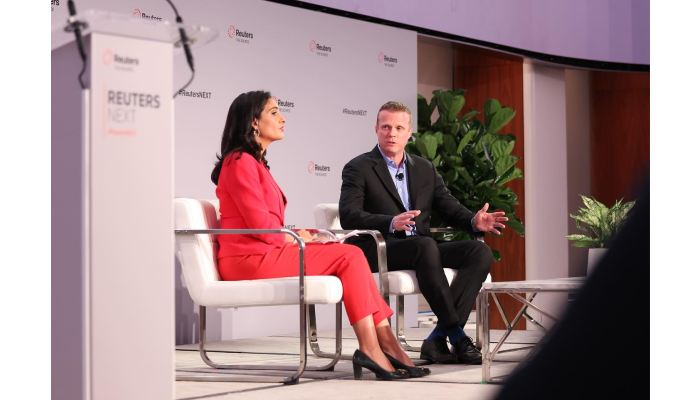
Effective communication at MC events goes beyond just speaking clearly. Using vocal variety, changing your pace, tone, and volume, helps keep the audience attentive and highlights important points. Storytelling is a powerful tool here; it creates an emotional bond and makes your message stick. Maintaining steady eye contact builds trust and lets guests feel personally connected, while an open, confident posture paired with deliberate gestures projects authority and grabs visual attention. Reading the room is key: watching audience body language and facial expressions allows you to adjust your delivery on the fly, ensuring you stay relevant and engaging. Active listening is just as important; it helps you respond genuinely, making interactions feel natural. Avoid distracting habits like fidgeting or repetitive movements, and stay fully present with your guests throughout the event. Pauses are another subtle tool, they give the audience time to absorb key messages and help you control the rhythm of your speech. Mirroring the crowd’s energy, without overdoing it, creates rapport and encourages participation. Lastly, be mindful of cultural and individual differences in non-verbal cues to make sure everyone feels included and comfortable. For example, some cultures interpret direct eye contact differently, so adapting respectfully can make a big difference in connection.
Techniques to Encourage Guest Interaction
Encouraging guest interaction starts with a clear invitation: let your audience know that their participation is not just welcome but expected. Whether it’s through verbal responses, hand gestures, or chat messages in virtual settings, setting this tone early helps guests feel more comfortable engaging. Use guests’ names whenever possible to personalize the experience and make individuals feel recognized. It’s also important to provide several chances throughout the event for guests to contribute, allowing them to warm up gradually before expecting heavier involvement. Incorporating games, polls, and contests keeps energy levels high and participation active, creating a lively atmosphere. For virtual events, having a dedicated support team managing chat and technical details ensures smooth interaction without distractions. Using open-ended questions encourages thoughtful responses and deeper conversation, rather than simple yes or no answers. Acknowledge every contribution sincerely, as validating guest input motivates continued participation. Extending engagement beyond the event through social media hashtags or live feeds can foster a sense of community that lasts. Altogether, these techniques help transform a passive audience into an engaged, energized group.
Planning and Preparing for Guest Engagement
Successful guest engagement starts long before the event begins. Collaborating closely with your client is key to understanding the event’s goals, audience profile, and expectations. Early conversations should clarify the tone of the event, key messages, and the specific role you’ll play as the MC. This foundation helps you craft a flexible script that naturally blends humor, your personality, and essential information without sounding rehearsed. Taking time to research the audience demographics allows you to tailor stories and examples that resonate specifically with them, making your approach feel more personal and relevant.
Familiarity with the venue and technical setup is another crucial step. Knowing the layout, audio-visual equipment, and potential technical limitations lets you rehearse transitions and timing effectively. Practicing key interaction points ensures smooth delivery and helps you stay confident when engaging guests live. It’s also smart to prepare backup plans for common issues like technical glitches, timing delays, or a quiet audience. For example, having a short, interactive game or a few spontaneous questions ready can help fill unexpected gaps.
Building Stage Presence and Your MC Brand
Building a strong stage presence starts with being authentic. Sharing personal stories helps create an emotional connection, making you more relatable and trustworthy to your audience. Consistency in energy and enthusiasm keeps guests interested, so find a natural rhythm that suits your style and the event’s tone. Dressing appropriately shows professionalism and boosts your confidence, it signals respect for the occasion and sets expectations for your role. Developing a unique MC persona means identifying your strengths and preferred style, whether that’s witty, warm, or authoritative, so you stand out and stay memorable. Use open body language and purposeful gestures to project confidence and invite connection. Voice control is key: practice varying your pitch, pace, and volume to keep your delivery clear and engaging throughout the event. Engage with guests beyond the stage by mingling before and after the event; this builds rapport and strengthens your reputation. Balancing humor with seriousness lets you adapt to the event’s mood, too much joking can undercut professionalism, while too little can feel stiff. Mind your pacing and avoid filler words like “um” or “you know” to maintain a polished presence. Finally, seek feedback regularly from clients and audiences to refine your approach and evolve your brand over time, ensuring you stay relevant and effective.
Using Storytelling to Captivate Audiences
To truly engage guests at MC events, storytelling is a powerful tool that brings messages to life. Structure your stories with a clear beginning, middle, and end to create a natural flow that keeps listeners hooked. Vary your voice through modulation, pacing, and well-timed pauses to add drama and hold attention. Selecting the right type of story is key, whether humorous, inspirational, or personal anecdotes, make sure it fits the tone of the event. Keep your stories concise and relevant to avoid losing the audience’s interest. Use vivid descriptions and tap into emotions to help listeners connect with the narrative on a deeper level. Practice your delivery so you come across as natural and confident, which helps build trust. Incorporate references to the audience or event details to create a sense of inclusion. Stories are especially useful for simplifying complex ideas, making them easier to understand. Finally, end each story with a clear takeaway or call to action to reinforce your message and leave a lasting impression. For example, sharing a brief, inspiring story about overcoming a challenge can motivate the crowd while tying back to the event’s theme.
Handling Unexpected Challenges with Ease
When unexpected challenges arise at an event, staying calm and collected is essential. If a heckler or disruption occurs, using humor or gently redirecting attention can ease tension without making things worse. For example, a light joke or shifting focus to the next agenda item can help regain control. If delays happen, filling the gap with spontaneous activities like a quick Q&A or sharing a brief story keeps guests engaged and prevents awkward silence. Setting polite but firm boundaries with difficult clients or audience members maintains respect without escalating conflicts. Being ready to improvise lets you turn surprises into moments that connect with the crowd, showing you’re in control even when things don’t go as planned. Maintaining professionalism under pressure preserves your credibility and reassures guests. Clear communication about any delays or changes helps manage expectations and keeps the audience on your side. Having backup content prepared ensures smooth transitions and fills unexpected timing gaps seamlessly. Subtle use of body language and tone can help you quietly regain the room’s attention without confrontation. Each challenge is a chance to learn and improve, making future events run even smoother.
Leveraging Technology and Trends for Better Connection
Incorporating technology thoughtfully can significantly enhance guest engagement at MC events. Event apps and live streaming enable you to reach a broader audience beyond the physical venue, opening up interaction opportunities for both in-person and virtual attendees. Hybrid events require balancing the energy on stage while engaging viewers online through chat, polls, and real-time feedback. Using data about audience preferences and behavior allows you to tailor content and interactions, making the experience feel more personal and relevant. AI tools can assist by analyzing audience reactions in real time and suggesting content adjustments or personalized shout-outs, helping you maintain a dynamic connection. Social media platforms are essential for building anticipation before the event with teasers and hashtags, and they keep the conversation going afterward to extend engagement. Multimedia elements like videos, visuals, and graphics can boost storytelling by adding emotional depth and variety, keeping attention strong. However, it’s important to choose user-friendly technology to avoid alienating less tech-savvy guests; simplicity and clarity matter. Monitoring analytics after the event provides insights into what worked and what didn’t, guiding improvements for future events. Ultimately, technology should support, not replace, the human connection, the warmth and authenticity you bring as an MC create memorable moments that no device can replicate.

Seth Hatfield, a maverick in the realm of writing, seamlessly weaves tales from the world of construction and beyond. With a unique blend of insight and creativity, he invites readers on a journey through his diverse repertoire of articles.