Choosing the right road marking paint for pavement in 2025 depends on various factors like durability, weather, and budget. For highways and heavy traffic areas, thermoplastic paints with glass beads work best due to their long lifespan (3-10 years) and strong visibility. In colder or extreme climates, methyl methacrylate (MMA) paints are ideal since they dry fast and last up to a decade despite being pricey. Water-based paints remain popular for urban roads or temporary markings because they are affordable, eco-friendly, and quick-drying, but less durable. Innovations like smart reflective coatings and glow-in-the-dark paints gain traction as sustainability becomes a bigger concern in road safety solutions.
Types of Road Marking Paint Used in 2025
Road marking paint plays a crucial role in ensuring traffic safety and pavement visibility. In 2025, several types dominate the market, each suited to specific needs and environments. Water-based paints are a common choice for urban roads and temporary markings due to their affordability, eco-friendliness, and quick drying time, although they tend to wear out within a year. Solvent-based paints offer better durability and perform well in cold or wet weather, making them suitable for moderate to heavy traffic areas. Thermoplastic paints, applied hot, provide high durability and reflectivity, ideal for highways and airports where long-lasting markings are essential. Methyl Methacrylate (MMA) paints stand out for their exceptional longevity and resistance to extreme climates, despite their higher cost and strong odor during application. Epoxy resin paints are preferred in industrial zones because of their resistance to chemicals and abrasion. Cold plastic paints create thick, durable coatings that withstand heavy traffic, often used in pedestrian crossings and busy intersections. For smaller jobs or quick repairs, pre-formed thermoplastic tapes allow fast application and moderate durability. Emerging trends in 2025 include smart reflective coatings that adjust to light conditions, glow-in-the-dark paints for enhanced night safety, and solar-powered markings that improve visibility while promoting sustainability. Selecting the right paint depends on factors like traffic volume, climate, surface type, and budget, with a growing emphasis on eco-friendly and technologically advanced solutions.
Benefits and Drawbacks of Water-Based Paints
Water-based road marking paints are made by suspending pigments in water, which makes cleanup straightforward using just water. They are the most affordable option available, making them attractive for budget-conscious projects like urban roads, parking lots, and temporary markings. In warm and dry weather, these paints dry quickly, usually within 10 to 30 minutes, allowing for fast application with standard equipment such as line stripers or brushes. Environmentally, water-based paints stand out due to their low volatile organic compound (VOC) emissions, aligning well with increasing regulations and eco-friendly goals.
However, water-based paints have significant limitations. Their durability is relatively low, typically lasting only 6 to 12 months under normal traffic conditions, which means they require frequent repainting and thus can lead to higher maintenance costs over time. They also perform poorly in cold or humid environments, where drying slows down considerably and adhesion suffers. Because of these factors, they are not recommended for high-traffic roads or areas exposed to harsh weather. For example, a busy highway in a region with cold winters would not be a good candidate for water-based paints, but they can work well for short-term or less demanding applications where cost and environmental impact are priorities.
When to Choose Solvent-Based Paints?
Solvent-based paints are a strong choice when durability and weather resistance are important but the high cost and specialized application of thermoplastics or MMA paints are not justified. These paints contain pigments suspended in organic solvents, which provide better adhesion and wear resistance than water-based options. Their typical lifespan ranges from 3 to 5 years under moderate traffic, making them suitable for roads experiencing medium to heavy use. They perform well in cold temperatures and wet conditions, where water-based paints often struggle, so they are a practical option in regions with colder climates or frequent rain. While solvent-based paints generally have a higher upfront cost than water-based paints, their longer service life can reduce the frequency of repainting, balancing initial expenses over time. Many low VOC formulations are now available, easing environmental concerns and compliance in areas with stricter emissions rules. However, some solvent-based paints remain restricted or banned in certain locations due to their emissions, so it’s essential to verify local regulations before use. Proper handling and disposal are critical to minimize environmental impact, and care must be taken during application to control overspray and ensure worker safety. Overall, solvent-based paints fit well for urban and suburban roads that need longer-lasting markings but don’t require the specialized equipment or budget for thermoplastics.
Thermoplastic Paints for High-Traffic Areas
Thermoplastic paints are a top choice for pavement in high-traffic areas due to their impressive durability and visibility. Made from solid polymer pellets that are melted at around 400°F, these paints are applied hot, which allows them to cure quickly within minutes. This rapid curing lets roads reopen faster compared to many other paint types. One key advantage is their lifespan, which can range from 3 to 10 years depending on traffic volume, making them especially cost-effective over time despite higher initial costs and labor intensity. They include reflective glass beads that greatly improve night visibility, enhancing safety in busy zones such as highways and airport runways. However, thermoplastic paints require specialized heating and application equipment, and they’re not always recommended for certain concrete surfaces. Still, their combination of long-lasting durability and excellent day and night visibility makes them a preferred solution for demanding, heavily used pavement markings where safety and longevity cannot be compromised.
Advantages of Methyl Methacrylate (MMA) Paints
Methyl Methacrylate (MMA) paints stand out for their exceptional durability and performance, making them a top choice for pavement markings in 2025, especially in critical safety zones like intersections and school areas. This two-component chemical system polymerizes quickly after mixing, which results in a paint that dries fast even in very low temperatures, allowing for year-round application regardless of weather conditions. MMA paints form a strong bond with a variety of surfaces, including both asphalt and concrete, ensuring long-lasting adhesion. They are highly resistant to harsh weather extremes, ultraviolet exposure, and chemical wear, contributing to an impressive lifespan of 8 to 10 years under heavy traffic. Although MMA paints are the most expensive option on the market, their cost is often justified by the reduced need for frequent repainting and maintenance, which can save time and resources over the long term. One consideration during application is the strong ammonia-like odor MMA paints emit, requiring proper ventilation to ensure worker safety. Their resilience to extreme climates and ability to maintain visibility and safety standards makes them ideal for regions experiencing wide temperature fluctuations or severe weather. Overall, MMA paints provide a reliable, high-performance solution where long-term durability and safety are priorities.
Use Cases for Epoxy Resin Paints
Epoxy resin paints are a two-component system that chemically cure to form a tough, durable coating. Their high resistance to abrasion, chemicals, and fuels makes them especially suited for industrial floors and specialized pavement markings where durability is critical. These paints provide excellent adhesion on properly prepared surfaces, but they have longer drying and curing times compared to other road marking paints, which means application requires careful planning and skilled workers to ensure correct mixing and curing. While epoxy paints offer strong protection against chemical spills and heavy machinery traffic, their tendency to chalk over time can reduce reflectivity and visibility, making them less ideal for general road markings. Due to their higher cost and longer curing period, epoxy resin paints are mostly reserved for industrial or chemical-exposed pavements rather than everyday traffic lanes. For example, epoxy paints are often chosen for factory yard markings or loading docks where heavy wear and chemical exposure are common, rather than typical city streets or highways.
Cold Plastic Paints for Durable Markings
Cold plastic paints are a two-component system applied without heating, creating thick, plastic-like coatings that stand up well to heavy traffic and harsh conditions. Their durability comes from a tough, wear-resistant surface that also resists chemicals, making them ideal for permanent road markings in busy urban areas. These paints stick well to both asphalt and concrete, and their thick application contributes to a longer service life, reducing the need for frequent maintenance. They are commonly used for pedestrian crossings and roundabouts where visibility and durability are critical. Although cold plastic paints tend to be more expensive than water or solvent-based options, their ability to cure without heat means they can be applied in cooler temperatures, offering more flexibility across seasons. Proper mixing and placement require professional application to ensure the coating performs as intended and provides consistent, long-lasting markings.
Pre-formed Thermoplastic Tape and Its Uses
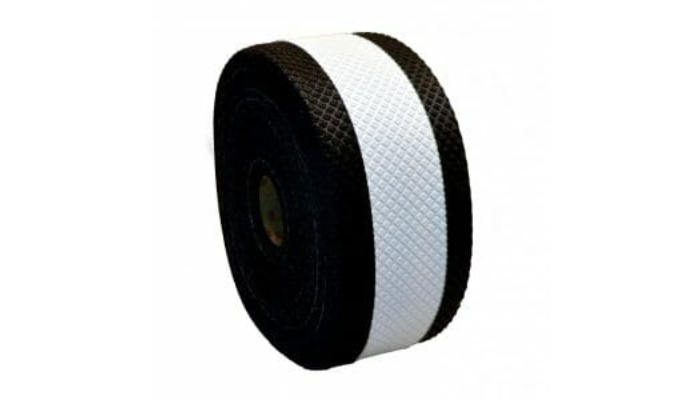
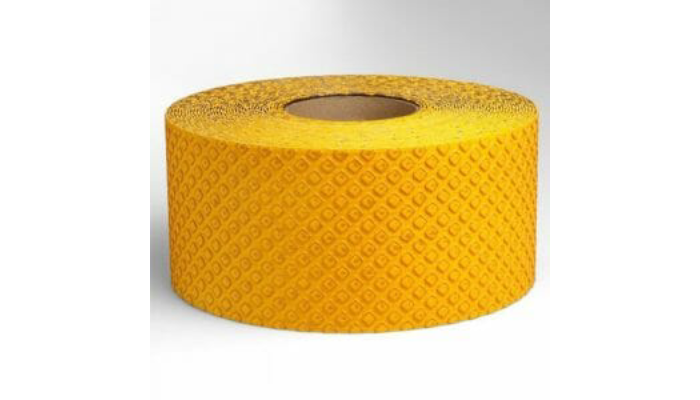
Pre-formed thermoplastic tape is a ready-made road marking solution that’s applied by heating the strips and pressing them onto the pavement. This method is popular for its quick application and minimal waste compared to traditional liquid paints. Typically, these tapes last between 2 to 5 years, depending on traffic volume and environmental conditions. They are especially useful for small projects, repairs, or temporary markings where fast turnaround and durability are important. Because the tapes come with consistent thickness and reflectivity from factory production, they provide reliable visibility and performance. Pre-formed thermoplastic tape is also preferred when adding durable symbols, arrows, and complex shapes, as it’s easier to control the design compared to spray or brush-applied paints. However, this option requires specialized heating equipment and proper surface preparation before application, which can add to labor costs. Although convenient, the material cost makes it less cost-effective for large-scale road marking projects. Additionally, these tapes can be removed or replaced more easily than thermoplastic paint, making them a flexible choice for temporary or changing traffic layouts.
Emerging Paint Technologies and Trends in 2025
In 2025, road marking paint is evolving with a strong focus on sustainability and enhanced safety features. Eco-friendly formulations, such as water-based and low-VOC solvent paints, are becoming more common due to tighter environmental regulations and growing demand for greener solutions. These options reduce harmful emissions while maintaining adequate performance for urban and temporary markings. Smart reflective paints with photochromic properties are gaining attention because they adjust their visibility based on ambient light, improving driver awareness during day and night without extra energy use. To keep markings bright and effective for longer, self-cleaning nano-coatings are introduced, which repel dirt and grime, reducing maintenance needs. Glow-in-the-dark photoluminescent paints are especially useful in tunnels and accident-prone zones where power outages or low lighting can compromise safety. Another innovation is solar-powered embedded LED markings that actively illuminate pavement lines at night, providing clear guidance even in poor weather or darkness. High-friction and anti-skid paints, often enhanced with glass beads or dual-layer thermoplastic systems, address traction issues on wet or icy roads, lowering the risk of accidents. These dual-layer systems combine durability with slip resistance, ideal for critical areas like crosswalks and sharp curves. All new paint technologies in 2025 adhere to strict standards such as AASHTO, ASTM, EN, and ISO, ensuring quality and safety across regions. The market is expanding rapidly, driven by urban growth, smart city projects, and highway modernization efforts, with strong demand in North America, Europe, and Asia-Pacific. These trends reflect a shift toward smarter, safer, and more sustainable pavement marking solutions that meet the challenges of modern infrastructure.
How Weather and Application Affect Paint Performance?
Weather conditions and application methods play a crucial role in the performance and durability of road marking paints. Temperature directly affects drying and curing times: water-based paints slow down considerably in cold weather, often below 50°F, which can delay completion and reduce quality. In contrast, solvent-based and MMA paints handle low temperatures and high humidity better, maintaining faster curing and stronger adhesion. Moisture during application, such as rain or heavy dew, can cause poor bonding and early paint failure regardless of type. High humidity not only prolongs drying times but can also impact the gloss and color retention of markings, leading to quicker fading. Windy conditions pose another challenge by blowing dirt and debris onto wet paint, reducing both reflectivity and adhesion, which compromises visibility and safety. Surface preparation is essential across all paint types; a clean, dry, and properly abraded surface ensures that paint adheres well and lasts longer. Equipment choice also matters: thermoplastic paints require precise heated applicators because premature cooling leads to uneven coating and weak spots. Other paints like water-based and solvent-based can be applied with standard line stripers but still need consistent thickness for optimal performance. Planning painting during stable weather periods, avoiding rain, strong winds, and extreme temperatures, improves both durability and appearance. Finally, regular maintenance and timely repainting help sustain safety and visibility, as even the best paints degrade over time due to weather and traffic wear.
Balancing Cost and Longevity in Paint Selection
Choosing the right road marking paint in 2025 requires balancing upfront costs with long-term durability. Water-based paints are the cheapest initially, making them a good fit for temporary markings or areas with low traffic, but their lifespan of only 6 to 12 months means frequent repainting is needed. This can drive up labor and downtime costs over time. Solvent-based paints offer a middle ground, with moderate durability lasting 3 to 5 years and better performance in cold or wet conditions, though they come at a higher price and may face environmental restrictions in some regions. Thermoplastic paints demand a bigger initial investment due to heating equipment and material costs but can last between 3 and 10 years, often proving more economical over time by reducing maintenance frequency. For extreme climates or critical safety zones, methyl methacrylate (MMA) paints, despite their high upfront cost, provide the longest lifespan of 8 to 10 years and withstand harsh temperatures, lowering total lifecycle expenses. Epoxy resin paints, with their excellent resistance to chemicals and abrasion, suit specialized industrial pavements but require more drying time and higher costs. Cold plastic paints are durable and wear-resistant, ideal for heavy urban traffic but come at a premium price. Pre-formed thermoplastic tapes offer a cost-effective solution for small repairs or quick jobs but aren’t suitable for large-scale use due to material costs. It’s also important to factor in environmental regulations, which may limit solvent-based options and push toward more expensive low-VOC alternatives. Adding reflective glass beads increases initial expenses but enhances visibility, potentially reducing accident-related costs and improving overall safety. Ultimately, the best choice depends on project size, traffic levels, environmental conditions, and budget, with a clear eye on how maintenance and reapplication impact the total cost over the paint’s lifespan.
Safety and Compliance Standards for Road Paints
Road marking paints must meet strict safety and compliance standards to ensure they perform reliably and protect both drivers and pedestrians. Key specifications like AASHTO M249, EN1436, ASTM D4061, BS 3262, and JIS K5665 set benchmarks for quality, durability, reflectivity, and adhesion, which all paints should satisfy. Reflectivity is especially critical; to maintain visibility at night or in poor lighting, paints often include glass beads or other retroreflective additives that bounce light back to drivers. Durability and wear resistance are also regulated so markings last through traffic and weather without fading or peeling prematurely. Environmental standards are growing in importance, with limits on volatile organic compounds (VOC) pushing manufacturers toward water-based or low-VOC solvent paints to reduce air pollution. The application process is governed by guidelines on drying times and surface preparation to optimize paint adhesion and minimize failures. Slip resistance is another safety factor, particularly for pedestrian crossings and areas where traction is essential; this influences paint formulation with anti-skid additives. Handling, storage, and disposal rules for paints, especially solvent-based systems like MMA and epoxy, help protect workers and the environment from hazardous exposure. Newer technologies such as photochromic or glow-in-the-dark paints must undergo additional testing to verify their effectiveness under real-world conditions. Since regulations vary by region, selecting road marking paints requires attention to local and federal laws to ensure full compliance and avoid costly rework or penalties.

Seth Hatfield, a maverick in the realm of writing, seamlessly weaves tales from the world of construction and beyond. With a unique blend of insight and creativity, he invites readers on a journey through his diverse repertoire of articles.