
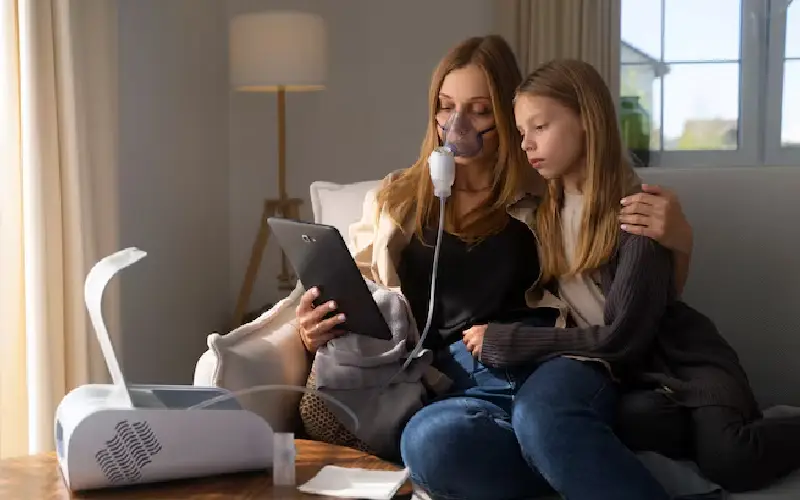
At-home sleep apnea tests (HST) and lab sleep studies serve different purposes and suit various patient needs. HSTs mainly focus on detecting obstructive sleep apnea in generally healthy individuals with clear symptoms, using portable devices at home. They are more convenient, less costly, and provide quicker results but capture limited data without full brain activity monitoring. Lab tests are comprehensive, done overnight in clinics with many sensors to evaluate various sleep disorders beyond just OSA, making them ideal for patients with complex or multiple health issues. Although more accurate and thorough, lab studies tend to be expensive, less comfortable, and involve longer wait times before diagnosis and treatment planning.
Purpose and Use Cases of At-Home vs Lab Sleep Apnea Tests
At home sleep apnea test (HST) are designed mainly to diagnose obstructive sleep apnea (OSA) in patients who show clear signs like loud snoring and daytime fatigue, and who are otherwise healthy without serious medical issues. These tests work well for routine screenings, such as occupational health checks, where OSA is suspected but the patient’s overall health is good. Because HSTs focus on breathing-related problems, they offer a quicker, less invasive way to confirm OSA in straightforward cases. However, they cannot reliably detect other sleep disorders or complex breathing issues.
On the other hand, lab sleep tests, or polysomnography (PSG), serve a much broader purpose. They are essential for diagnosing not only OSA but also central apnea, narcolepsy, insomnia, parasomnias, and other complex sleep disorders. PSG is preferred when patients have complicated symptoms, multiple suspected disorders, or underlying health conditions that affect breathing. The comprehensive data collected in a sleep lab allows clinicians to identify various disturbances and tailor treatment accordingly.
For example, a patient with unexplained daytime sleepiness plus irregular breathing patterns might need a PSG to uncover central apnea or REM behavior disorder, while a healthy adult with classic OSA symptoms could start with an at-home test. Additionally, PSG is necessary when at-home tests produce unclear results or when precise diagnosis and CPAP pressure titration are required. Overall, the choice between HST and PSG depends largely on the complexity of symptoms, patient health status, and the range of sleep disorders under consideration.
- At-home sleep apnea tests (HST) are mainly for diagnosing obstructive sleep apnea (OSA) in patients with clear symptoms and otherwise good health.
- HSTs are suitable for routine screening or occupational health checks where OSA is suspected.
- Lab sleep tests (polysomnography, PSG) diagnose a wide range of sleep disorders beyond OSA, including central apnea, narcolepsy, insomnia, and parasomnias.
- PSG is preferred for patients with complex symptoms or multiple suspected sleep issues.
- HSTs focus on breathing-related problems, especially OSA, but cannot reliably detect other sleep disorders.
- PSG captures detailed physiological data allowing identification of various sleep disturbances.
- HSTs are used when quick, less invasive diagnosis is needed and the patient has a high likelihood of OSA.
- PSG is needed when initial tests are inconclusive or when symptoms suggest complex or multiple disorders.
- HST use is generally limited to adults without significant health complications affecting breathing.
- PSG is the choice when comprehensive evaluation and exact diagnosis are required.

Testing Environment and Procedures Compared
At-home sleep apnea tests are performed in the comfort of a patient’s own bed using portable devices that have fewer sensors. These devices usually include a chest belt, a pulse oximeter, and a nasal cannula to monitor breathing and oxygen levels, but they often do not measure brain activity. This simplicity helps minimize disruption to natural sleep. In contrast, lab tests take place overnight in a sleep center where a technician supervises the patient. Polysomnography (PSG) involves attaching multiple sensors to the head, face, chest, and limbs to track brain waves, eye movements, muscle activity, heart rhythm, airflow, and oxygen saturation. While this provides detailed data, the numerous attachments and unfamiliar setting can interfere with comfort and sleep quality. In the lab, technicians can adjust equipment and address any discomfort immediately, ensuring data quality and patient safety. Meanwhile, at-home tests require patients to set up the equipment properly on their own, which can sometimes lead to errors or incomplete data. Both testing environments aim to collect crucial sleep information, but the lab’s controlled setting and comprehensive monitoring offer a more complex and thorough assessment, whereas the home test prioritizes convenience and less intrusive monitoring.
Data Collected and Accuracy Differences
At-home sleep apnea tests mainly track breathing patterns and oxygen saturation levels. Most of these devices do not record brain activity (EEG), which means they can’t accurately detect sleep stages or brief awakenings during sleep. While newer home devices with EEG capability exist, they are not as common or thorough as lab-based tests. In contrast, lab polysomnography (PSG) records a wide range of signals: brain waves, muscle tone, eye movements, heart rhythm, breathing effort, airflow, oxygen levels, and limb movements. This comprehensive data allows sleep specialists to diagnose various disorders and assess severity with greater precision. Home tests show high sensitivity, above 90%, for moderate to severe obstructive sleep apnea (OSA), but they can miss mild cases or complex apnea types like central sleep apnea. Lab tests remain the gold standard because they can detect central apnea, REM sleep behavior disorder, and other less common conditions. At-home tests may sometimes produce false negatives or positives, especially in patients with other health problems. The lab environment, with multi-parameter monitoring and technician oversight, provides more reliable data. This difference in accuracy is especially important when diagnosing non-OSA disorders or complicated cases, where detailed information about brain activity and sleep stages can guide proper treatment.
Types of Sleep Disorders Each Test Can Diagnose
At-home sleep apnea tests mainly focus on detecting obstructive sleep apnea (OSA), including mild, moderate, and severe cases. These tests measure breathing patterns and oxygen levels but typically lack the ability to monitor brain waves or muscle activity, which limits their scope. As a result, they are not suitable for diagnosing central sleep apnea, narcolepsy, insomnia, movement disorders, or more complex conditions. In contrast, lab sleep studies (polysomnography) offer a comprehensive evaluation that can identify a wide array of sleep disorders beyond OSA. They monitor brain activity, eye movements, muscle tone, breathing effort, and heart rhythm, allowing diagnosis of central and complex apnea, narcolepsy, periodic limb movement disorder, parasomnias, REM sleep behavior disorder, and even sleep-related seizures. Lab tests can detect arousals and sleep fragmentation, which are important for understanding insomnia and other neurological sleep disorders. Because at-home tests provide limited insight into sleep architecture and fragmentation, they are unsuitable when multiple or rare disorders are suspected. For example, a patient with suspected REM sleep behavior disorder or periodic limb movements would need a lab study for accurate diagnosis. Overall, lab testing remains necessary for thorough evaluation when symptoms suggest more than just obstructive apnea or when other sleep problems might coexist.
Patient Suitability for At-Home and Lab Tests
At-home sleep apnea tests work best for generally healthy adults who show typical symptoms of obstructive sleep apnea (OSA), such as loud snoring and daytime tiredness. These tests are ideal for individuals without significant heart or lung diseases, neuromuscular problems, or chronic opioid use. They are also useful for quick screenings, like in certain job settings where a fast diagnosis is needed. On the other hand, lab sleep studies are necessary when patients have complex health issues or when central or complex types of apnea are suspected. People who have multiple sleep complaints, other breathing-related conditions, or neurological sleep problems like insomnia or parasomnias should have lab testing. Children and older adults with several health concerns usually require the more detailed lab tests as well. At-home tests may not be reliable for those who struggle to properly set up the device or have irregular sleep schedules. Lab studies provide safety monitoring for patients at risk of severe oxygen drops or breathing failure during sleep. Lastly, patient preference and practical factors such as access and comfort also play important roles in deciding which test suits a person best.
Cost and Accessibility Overview
At-home sleep apnea tests (HSTs) offer a clear advantage in cost, typically priced between $150 and $350, making them much more affordable than lab sleep studies. These home tests are often covered by insurance with fewer authorization hurdles, which helps reduce out-of-pocket expenses for many patients. Plus, they are easier to access, many providers offer them through telehealth services or direct purchase, allowing patients to avoid complex scheduling or long waitlists. On the other hand, lab-based polysomnography (PSG) can cost anywhere from $4,000 to $15,000, depending on geographic location and insurance plans. This high cost is compounded by the need for a physician referral and insurance pre-authorization, which can involve multiple steps and delays. Patients often face waiting times of 6 to 8 weeks or longer for lab appointments, restricting timely diagnosis and treatment. The limited number of sleep labs, especially in rural or underserved areas, further limits accessibility. In contrast, at-home tests can be scheduled quickly and return results within days, speeding up care decisions. For many patients, especially those with straightforward symptoms and no complex health issues, the lower cost and faster access of at-home tests make them the preferred first step in sleep apnea evaluation.
Comfort and Convenience Factors
At-home sleep apnea tests offer a clear comfort advantage by letting patients sleep in their own beds, which encourages more natural sleep patterns. These tests use fewer sensors, like chest belts and a pulse oximeter, making the setup simpler and less intrusive. Many patients find this familiarity and ease preferable compared to lab studies. In contrast, lab tests involve attaching multiple wires and sensors to the head, face, chest, and limbs, which can feel uncomfortable and restrictive. Sleeping in a new environment with a technician present may cause anxiety or disrupt sleep, sometimes leading to the use of sleep aids that can affect test outcomes. Additionally, traveling to and from the sleep center adds to the hassle of lab studies. Home testing eliminates these factors, removing the need for overnight travel and clinical visits. Because comfort influences sleep quality, patients often sleep better during home tests, which can improve the accuracy of diagnosing obstructive sleep apnea. This comfort also tends to boost patient compliance, as people are more likely to complete the test properly when it feels less invasive and fits into their routine.
Timeframe for Receiving Test Results
At-home sleep apnea tests typically deliver results within a few days to one week after the test night. This quicker turnaround is possible because the data collected is simpler and requires less technical interpretation. For example, at-home tests mainly record breathing patterns and oxygen levels, so the analysis involves fewer steps and can be completed faster. This speed helps patients begin treatment sooner when obstructive sleep apnea (OSA) is confirmed, which is especially beneficial for those with clear symptoms. In contrast, lab sleep studies (polysomnography) often take several weeks to provide results. The complexity of the lab data means trained sleep technologists must carefully score multiple parameters like brain waves, eye movements, muscle activity, and heart rhythm. After scoring, a physician reviews the findings to ensure an accurate diagnosis. Additionally, scheduling delays for lab tests add to the overall waiting time before treatment can start. This longer wait can impact patients with complex sleep disorders who require more detailed evaluation. Insurance processing times can affect result availability for both tests but tend to have a more noticeable effect on lab studies due to higher costs and authorization requirements. When choosing between at-home and lab testing, the time to receive results is a practical factor. Faster results from home tests support quicker clinical decisions in straightforward cases of OSA, while lab tests, although slower, provide the thorough analysis needed for complex or unclear sleep issues.
How Each Test Supports Treatment Planning
At-home sleep apnea tests mainly help confirm obstructive sleep apnea and guide the initial prescription of CPAP or APAP devices. Because these tests do not include CPAP titration, pressure settings are estimated and adjusted later based on patient response. This approach works well for straightforward cases without other sleep conditions. In contrast, lab sleep studies provide detailed data and often include CPAP titration during the same or following nights. This allows clinicians to find the precise pressure needed right away, speeding up effective treatment. Lab testing also uncovers other sleep disorders or health issues that may require different therapies, enabling a personalized and multidisciplinary treatment plan. When complex or multiple sleep problems exist, lab data supports tailored adjustments that improve outcomes. Both tests contribute to tracking treatment effectiveness over time, but the lab study’s depth allows quicker and more exact modifications. Choosing between tests affects how soon and how precisely treatment can begin, with at-home tests offering a fast start for typical cases and lab tests ensuring thorough care for more complicated situations.
Limitations of At-Home and Lab Sleep Tests
At-home sleep apnea tests have clear limitations, mainly because most devices do not capture brain activity, which means they cannot provide detailed sleep staging or detect arousals during sleep. This restricts their ability to fully assess sleep quality and differentiate wakefulness from sleep. Additionally, these tests can produce false negatives or positives, especially in patients with other health issues or unusual symptoms, potentially leading to misdiagnosis. They are also unable to reliably diagnose sleep disorders beyond obstructive sleep apnea, such as central apnea, narcolepsy, or parasomnias. Since the test is self-administered, patients must correctly place sensors and follow instructions, which can be challenging and affect data quality. On the other hand, lab sleep studies, while comprehensive, come with their own drawbacks. The cost is significantly higher and insurance approvals can cause long delays, sometimes keeping patients waiting for weeks. The clinical environment is unfamiliar and the many attached sensors can interfere with natural sleep, which may affect the results. Moreover, patients must spend an entire night in the lab, which some find uncomfortable or impractical. Neither test is flawless, so interpreting the results requires clinical judgment to consider the patient’s history and symptoms. Both approaches involve trade-offs between convenience, cost, and diagnostic depth that impact how sleep disorders are diagnosed and managed.
Clinical Recommendations and Evidence Summary
Clinical guidelines suggest that at-home sleep apnea tests (HST) are best suited for patients with a high likelihood of obstructive sleep apnea (OSA) who do not have significant health issues like heart failure or lung disease. These tests focus primarily on breathing patterns and oxygen levels, offering a reliable diagnosis for straightforward OSA cases with about 90% sensitivity. However, when sleep issues are complex, symptoms are mixed, or central or mixed sleep apnea is suspected, lab-based polysomnography (PSG) remains the recommended gold standard because it records a full range of physiological data including brain activity, muscle tone, and heart rhythm. This comprehensive approach allows for accurate diagnosis of various sleep disorders beyond OSA. While lab tests are more invasive and costly, they provide the advantage of CPAP pressure titration during the study, enabling immediate treatment adjustments. Patients often prefer home testing due to its comfort and convenience, which may promote more natural sleep and quicker results, often within a week. From a practical standpoint, home tests are less expensive and easier to arrange, with fewer insurance hurdles, making them a valid option for routine screening and follow-up in typical OSA cases. Still, for patients with complex medical histories or uncertain diagnoses, lab testing is essential to ensure accurate identification and appropriate treatment of all potential sleep disorders.
Comparison Table of At-Home and Lab Sleep Tests
Here’s a clear comparison between at-home sleep apnea tests and lab sleep studies to help understand their key differences:
For example, a healthy adult with loud snoring and daytime tiredness might find an at-home test simpler and more comfortable. On the other hand, someone with heart disease or unclear symptoms would benefit from the detailed information a lab study provides. The at-home test’s convenience and lower cost make it appealing, but the lab test remains the most thorough choice when precision and broader diagnosis are needed.
Frequently Asked Questions
1. How do at home sleep apnea tests and lab tests differ in the type of data they collect?
At home sleep apnea tests usually measure basic breathing patterns, oxygen levels, and sometimes heart rate, while lab tests (polysomnography) track a wider range of data including brain activity, eye movements, muscle activity, and more detailed breathing measurements.
2. Can at home sleep apnea tests diagnose all types of sleep apnea as accurately as lab tests?
No, at home tests are mainly good for detecting moderate to severe obstructive sleep apnea but may miss milder or complex cases. Lab tests provide a more complete diagnosis, including central sleep apnea and other sleep disorders.
3. What are the differences in sleep environment and how can they impact test results?
At home tests occur in your usual bedroom, which can make you sleep more naturally but might introduce inconsistencies like equipment setup errors. Lab tests take place in controlled settings with professional monitoring but the unfamiliar environment may affect your sleep quality.
4. How do monitoring and support during the test vary between at home and lab sleep apnea tests?
Lab tests have medical professionals observing you throughout the night, allowing immediate adjustments and troubleshooting. At home tests rely on you to set up and use the equipment properly, with no real-time monitoring, so errors might go unnoticed until results are reviewed.
5. What happens if an at home sleep apnea test is inconclusive or shows unusual results compared to a lab test?
If an at home test is inconclusive or results are unclear, your doctor usually recommends a lab sleep study for more detailed evaluation to ensure accurate diagnosis and treatment planning.
TL;DR At-home sleep apnea tests (HST) are convenient and cost-effective for diagnosing obstructive sleep apnea (OSA) in generally healthy individuals with clear symptoms. They use fewer sensors in a familiar environment, offer quick results, and work well for straightforward cases. Lab sleep studies (polysomnography) provide comprehensive data, diagnosing a wide range of sleep disorders with higher accuracy but involve overnight stays in a clinic, higher costs, and longer wait times. Labs are better suited for complex or unclear cases, where detailed monitoring and CPAP titration are needed. Both have pros and cons, so the choice depends on patient health, symptoms, and diagnostic needs.

Seth Hatfield, a maverick in the realm of writing, seamlessly weaves tales from the world of construction and beyond. With a unique blend of insight and creativity, he invites readers on a journey through his diverse repertoire of articles.