
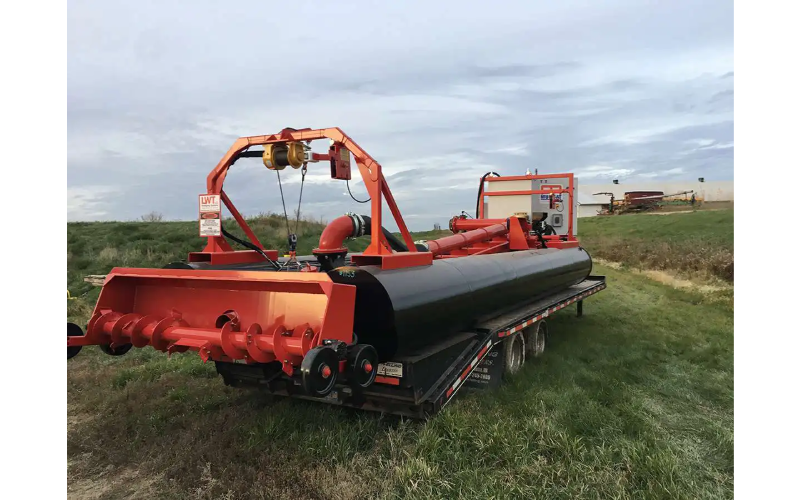
Maintaining your automated dredge regularly is key to keeping it working efficiently over the long term. Daily and pre-operation inspections help catch small problems before they turn costly, like checking oil levels, hydraulic hoses, and electrical connections. Setting up a maintenance schedule based on usage hours, such as tasks after 100, 250, or 1000 hours, is necessary to replace wear parts like filters and seals on time. Monthly and annual checkups should include thorough cleaning, testing pump components, and updating control software for automation. Training your team properly ensures maintenance is done right. Keeping detailed logs allows you to track patterns and decide when repairs are better than replacements.
Benefits of Routine Automated Dredge Maintenance
Routine maintenance of an automated dredge plays a key role in keeping operations smooth and on schedule. By regularly inspecting and tuning the equipment, small issues can be spotted early, reducing the risk of unexpected breakdowns that cause costly project delays. This proactive approach also cuts down repair costs since worn parts are replaced before they fail completely. Consistent care extends the lifespan of the dredge, maximizing the return on your investment. Safety improves as well, because preventing malfunctions lowers the chances of hazardous incidents during operation. Well-maintained components run more efficiently, which helps save fuel and power, making the dredging process more cost-effective. Staying on top of maintenance also ensures compliance with environmental and regulatory standards, avoiding fines or shutdowns. Planned upkeep minimizes downtime because maintenance is predictable and organized rather than reactive. Reliable equipment performance supports steady dredging quality, which builds confidence among operators and stakeholders that the dredge will perform as needed throughout the project. For example, regularly cleaning intake screens and checking hydraulic systems can prevent flow problems that might otherwise halt work unexpectedly. Overall, routine maintenance is essential to keep the automated dredge functioning efficiently, safely, and cost-effectively over the long term.
- Maintains steady operational flow and helps avoid project delays
- Reduces chances of unexpected breakdowns by catching issues early
- Lowers repair expenses by addressing wear before failure occurs
- Prolongs equipment lifespan, ensuring better return on investment
- Enhances safety by preventing hazardous malfunctions
- Improves fuel and power efficiency with well-tuned components
- Keeps dredge compliant with environmental and regulatory standards
- Minimizes downtime through planned and predictable maintenance activities
- Supports consistent dredging quality with reliable equipment performance
- Builds confidence among operators and stakeholders in equipment reliability

Designing a Customized Maintenance Schedule
Creating a tailored maintenance schedule for your automated dredge is essential for sustained performance and cost efficiency. Begin by defining tasks across daily, weekly, monthly, quarterly, and annual intervals, ensuring each aligns with the dredge’s workload and the operating environment. For example, a dredge working in abrasive, sandy conditions will require more frequent inspections and part replacements than one operating in calmer waters. Incorporate manufacturer recommendations as a baseline, but adjust based on real-world performance data and maintenance logs to catch trends early and prevent unexpected failures. Seasonal changes, such as freezing temperatures or heavy rains, should be factored in since they can accelerate wear or affect electronic controls. Both mechanical parts, like bearings and impellers, and electronic systems, including control panels and sensors, need scheduled checks. Allocate maintenance resources and personnel wisely, matching task complexity and frequency to skill levels and available time. Plan for spare parts availability ahead of time, aligning inventory with scheduled replacements to avoid delays. Utilize system diagnostics and sensor data to make condition-based adjustments, allowing for flexible intervals rather than rigid schedules. Finally, regularly review and update the maintenance plan, using operational feedback to refine task timing and scope, ensuring the dredge remains reliable and efficient over the long term.
Essential Daily and Pre-Operation Inspections
Before starting your automated dredge, always perform a thorough visual inspection. Look closely for any cracks, corrosion, or missing and loose parts that could affect operation. During startup, listen carefully for unusual noises or vibrations, as these can be early signs of mechanical issues. Check engine oil levels, temperature, and pressure to ensure the engine is running within safe limits. Inspect coolant levels and confirm proper flow to prevent overheating, which can cause serious damage. Regularly grease bearings, cutterheads, and other moving parts to reduce friction and wear. Examine power cables and control panels for damage or any signs of moisture intrusion that could lead to electrical faults. Hydraulic hoses and fittings require careful inspection for leaks, cracks, or stiffness, since compromised hydraulics can impair dredge function. Verify slurry flow rates and discharge pressure to detect blockages or pump wear early, helping maintain efficient sediment removal. Finally, test all safety devices and alarms to confirm they are operational and ready to protect both personnel and equipment. Document all inspection findings and address any abnormalities immediately to avoid downtime and costly repairs.
Key Weekly Maintenance Tasks to Follow
Draining water separators is essential to remove moisture from the engine oil system, which helps prevent corrosion and keeps the engine running smoothly. Fan belts should be inspected for proper tension and any signs of wear; loose or damaged belts reduce cooling efficiency and can cause unexpected downtime, so adjust or replace them as needed. Hydraulic hoses require close examination for abrasion, leaks, or cracks since any failure here can lead to hydraulic system loss or safety hazards, replace any compromised hoses promptly. Cleaning the external pump housings and intake screens prevents clogging caused by debris buildup, which maintains optimal flow rates and reduces strain on the pump. Battery terminals and electrical connections must be checked for corrosion, ensuring reliable starts and preventing electrical failures. Testing emergency stop and safety interlock functions every week is crucial to confirm these systems operate reliably in case of an emergency. Lubrication beyond daily greasing should be applied to all critical moving parts to reduce wear and extend component life. The cutter teeth need inspection for chips or excessive wear since dull or damaged teeth lower dredging efficiency and increase mechanical stress; replace any worn teeth promptly. Fuel system filters should be checked and cleaned or swapped out as necessary to maintain fuel quality and engine performance. Lastly, reviewing operator logbooks for recurring issues or abnormal readings helps identify patterns that may point to underlying problems before they escalate. Following these weekly tasks consistently supports the automated dredge’s long-term reliability and operational safety.
Maintenance Based on Usage Hours
Maintenance intervals based on actual usage hours are critical for keeping your automated dredge running smoothly over the long term. At 100 hours, it’s important to change the engine oil and filters while inspecting the main dredge pump for any early signs of wear or damage. When the dredge hits 250 hours, replacing fuel and hydraulic oil filters becomes necessary, along with checking bearings, impellers, and other moving parts like pulleys for wear. By 500 hours, you should repeat the fuel filter replacement and conduct a thorough inspection of all components to catch any developing issues before they cause breakdowns. At the 1000-hour mark, analyze the hydraulic oil quality and replace it if contamination or degradation is detected. This milestone is also a good time to inspect pulleys, cables, and safety decals, replacing any damaged parts to maintain safe operation. Always ensure lubrication schedules align with actual operating hours rather than just calendar days, as this prevents both over- and under-lubrication, which can lead to premature wear. Keep detailed records of all inspections, replacements, and fluid changes to track component wear trends over time, helping you adjust future maintenance intervals. If your dredge frequently operates in harsh conditions, like abrasive environments or extreme temperatures, consider shortening these intervals to prevent accelerated wear. During major hour milestones, include detailed checks of electrical and telemetry systems to ensure automation and monitoring remain reliable. Coordinating with OEMs or authorized service providers for mid-life services can also help address hidden issues and keep the dredge performing optimally. This usage-based maintenance approach helps avoid unexpected downtime and extends the life of your dredge.
Monthly and Quarterly Preventive Actions
During monthly and quarterly maintenance, start by inspecting impellers and wear rings for signs of erosion, pitting, or imbalance. Any parts beyond tolerance should be replaced to maintain pump efficiency and prevent further damage. Check hydraulic fluid levels and assess the condition; if fluids appear contaminated or degraded, replace both fluids and filters to protect the hydraulic system. Conduct electrical resistance and insulation tests on motor windings to identify early signs of insulation breakdown, which can prevent costly motor failures. Thoroughly clean pump housings, intake screens, and agitators to ensure proper cooling and avoid overheating issues. Inspect the dredge pipeline sections carefully for leaks, blockages, or mechanical damage; cleaning or replacing damaged sections helps maintain consistent slurry flow. Test sensor accuracy and recalibrate control systems if drift is detected to ensure reliable automation and monitoring. Review hydraulic system pressure and flow rates regularly to detect any signs of system degradation or inefficiencies early. Examine the lubrication system operation, replenishing grease reservoirs as necessary to protect bearings and moving parts. Assess structural components such as frames and mounts for cracks or wear that could compromise stability or alignment. Finally, update maintenance logs with detailed notes on the condition of inspected parts and any corrective actions taken. This thorough approach keeps the dredge operating smoothly and reduces the risk of unexpected breakdowns.
Annual Overhaul and System Updates
An annual overhaul is vital for maintaining the long-term reliability of your automated dredge. Start by fully disassembling the dredge pump to inspect internal components like impellers, liners, bearings, seals, and shaft sleeves. Replace any worn or damaged parts to prevent performance loss and avoid costly breakdowns later. Recalibrate all sensors, control panels, and telemetry systems to ensure accurate monitoring and control of the dredging process. Updating the firmware and control software to the latest versions can improve system responsiveness and diagnostics, enhancing overall efficiency. It’s also important to perform a full hydraulic system flush, replacing all fluids and filters to maintain optimal pressure and prevent contamination. Inspect the structural integrity of the frame, mounts, and hull closely; repair any cracks or corrosion found to preserve safety and stability. Conduct load and vibration tests to detect hidden mechanical issues that may not be visible during routine checks. For dredges with high operational hours or recurring faults, consider OEM-certified refurbishment to restore pump performance close to factory standards. Train your maintenance staff on the latest overhaul procedures and system updates to ensure consistent and knowledgeable upkeep. Lastly, plan the timing of this annual overhaul carefully to minimize disruption to your project schedules and keep the dredge available when most needed.
Maintaining Critical Dredge Components
Regular inspection of impellers is essential because worn impellers reduce flow efficiency and increase energy consumption. Replacing them before severe wear sets in helps maintain optimal pump performance. Seals and gaskets need close attention to prevent slurry from entering sensitive areas; even small leaks or cracks can lead to costly damage if left unchecked. Bearings should be monitored for unusual noise, heat, or vibration, signaling wear or failure. Proper lubrication extends their life and avoids unexpected breakdowns. Hydraulic hoses and fittings are subject to wear and environmental damage, so inspecting them for cracks, leaks, or dents and replacing damaged parts promptly ensures consistent hydraulic system performance. Pipelines must remain clear and leak-free to avoid pressure loss or blockages that hinder dredge operation; regular cleaning and inspection help keep slurry flowing smoothly. Electrical cables and control panels require checks for moisture and corrosion, which can cause shorts or faults, especially in wet environments. Cutter teeth wear down with use and need replacement to maintain effective sediment removal and reduce strain on the cutterhead mechanism. Cooling and lubrication systems protect key moving parts from overheating and friction damage, so maintaining these systems is crucial to avoid component failure. Lastly, all fasteners and mounts should be tight and secure to prevent mechanical stresses from vibrations or shifting loads. Keeping detailed records of component conditions allows you to anticipate replacements, plan maintenance shutdowns, and avoid unexpected failures that disrupt operations.
Identifying Problems and Taking Early Action
Early detection of issues in your automated dredge is crucial to avoid costly repairs and downtime. Pay close attention to unusual cavitation sounds, which often signal low suction or blockages in the pump system. Address these suction problems immediately to prevent damage. Monitor vibration levels consistently; any increase or uneven vibration can indicate misalignment or worn parts that need prompt correction. A drop in slurry flow or discharge pressure may point to impeller damage or pump wear, signaling the need for inspection and possible replacement. Keep an eye on temperature gauges and lubrication status to catch overheating early, protecting bearings and motors from serious damage. Hydraulic leaks should be detected and repaired quickly to prevent fluid loss and potential safety risks. Unusual noises or smells from engines or motors often hint at internal faults and require immediate investigation. Utilize sensor data and onboard diagnostics to quickly pinpoint system irregularities and respond to warning lights or alarms without delay. Document all symptoms and corrective actions meticulously; this record helps identify recurring issues and aids in future troubleshooting. Once a problem is confirmed, schedule repairs or part replacements promptly to maintain smooth operation and minimize unexpected downtime. For example, if vibration sensors detect imbalance in the impeller, addressing it early can prevent further wear or shaft damage, saving time and money in the long run.
Training Maintenance Teams for Best Results
Proper training of maintenance teams is key to keeping automated dredge systems running smoothly over time. Hands-on training tailored to the specific components and automation features of the dredge helps technicians understand the equipment deeply. Teams should learn to read and interpret diagnostic data and sensor outputs, which are vital for spotting issues early before they escalate. Using maintenance logs and checklists consistently ensures accountability and helps track patterns or recurring problems. Training programs must be updated regularly to include the latest maintenance techniques, technologies, and safety protocols to reduce accidents during service work. Teaching troubleshooting methods for common problems and preventive steps empowers teams to act quickly and efficiently. Encouraging open communication between operators and maintenance staff fosters early detection of irregularities. Leveraging manufacturer resources and technical support provides specialized knowledge that may not be available internally. Promoting teamwork and sharing experiences boosts overall maintenance quality and helps build a stronger skill set across the crew. Finally, periodic skill assessments and refresher courses keep teams sharp and ready to handle evolving challenges in automated dredge maintenance.
When to Repair or Replace Your Dredge?
Deciding whether to repair or replace your automated dredge requires careful evaluation of several factors. Start by tracking how often repairs are needed and the associated costs. If repair expenses approach or surpass 50% of the price of a new dredge, replacement often becomes the more economical choice. Look for clear signs that the dredge is reaching the end of its useful life, such as persistent drops in performance, unusual vibrations or noises, and frequent overheating episodes. Structural issues like cracks, corrosion, or weakened frames that affect safety or operation are also red flags. Electrical problems that keep recurring or demand costly fixes, for example, repeated control panel failures or degraded wiring, should weigh heavily in your decision. Additionally, if the dredge’s productivity steadily declines despite repairs, it indicates that replacement may restore efficiency better than patchwork fixes. Consider downtime costs related to repairs as well, since time lost can outweigh savings on repairs. Rising energy consumption because of wear and tear is another sign that a newer, more energy-efficient model could reduce operational costs. Don’t forget to factor in technological advancements available in new dredges, such as improved automation, diagnostic tools, and monitoring systems, which can enhance long-term performance. Ultimately, a thorough total cost of ownership analysis, including maintenance, energy use, downtime, and output, will guide a balanced decision between repairing and replacing your dredge.
Best Practices for Long-Term Dredge Care
Maintaining your automated dredge for the long term demands a clear and consistent approach. Start by developing and following a detailed maintenance schedule that covers daily, weekly, monthly, quarterly, and annual tasks tailored to your dredge’s usage and environment. Daily checks should include visual inspections of engine oil, coolant, electrical connections, hydraulic lines, and slurry flow to catch early signs of trouble. Use maintenance logs to record all inspections, repairs, and replacements; this documentation helps identify patterns and supports predictive maintenance. Regular lubrication of moving parts like bearings and cutterheads is vital to prevent wear and overheating, while frequent inspection of components such as impellers, seals, bearings, and cutter teeth ensures worn parts are replaced promptly before they cause bigger issues. Cleaning pump housings, intake screens, and agitators helps avoid blockages and overheating, which can reduce efficiency or cause failures. Scheduled fluid changes, including engine oil, hydraulic oil, and fuel filters, should be done according to operating hours to keep systems running smoothly. Electrical systems also need periodic testing of insulation and motor windings to prevent unexpected breakdowns. Training your maintenance team on dredge-specific procedures, safety protocols, and new technologies ensures consistent care and helps maintain operational safety. Lastly, plan for an annual overhaul that includes pump disassembly, replacement of major wear parts, sensor recalibration, and software updates to sustain reliability and performance over time. For example, a dredge that follows this routine can avoid costly downtime and extend its service life, ultimately saving money and improving project timelines.
Frequently Asked Questions
1. What regular checks should I perform to keep my automated dredge working well?
You should routinely inspect the engine, hydraulic systems, and electrical connections. Look for wear, leaks, or damage, and clean debris from moving parts. Regular lubrication of mechanical components also helps maintain smooth operation.
2. How do I prevent corrosion and rust on my automated dredge?
Keep the dredge clean and dry when not in use. Rinse off saltwater or mud after jobs, and apply protective coatings or anti-corrosion sprays to metal parts. Regularly check and touch up any damaged paint or coatings.
3. What kind of maintenance schedule is best for long-term dredge performance?
Follow the manufacturer’s guidelines but generally include daily inspections, weekly cleaning and lubrication, monthly detailed checks of hydraulic and mechanical systems, and annual professional servicing. Keeping records of all maintenance helps track wear and needs.
4. How can I troubleshoot common problems that may occur during dredge operation?
Start by identifying unusual noises, vibrations, or reduced performance. Check filters, hoses, and electrical connections for clogging or damage. Refer to the troubleshooting section in your manual, and don’t hesitate to consult a technician if problems persist.
5. What are the key safety steps to follow during maintenance to protect both the dredge and operator?
Turn off all power sources before maintenance, use proper protective gear, and work in a well-ventilated area. Secure moving parts to prevent accidental starts, and ensure heavy components are properly supported during repairs or inspections.
TL;DR Maintaining your automated dredge for the long term requires a clear, structured schedule with daily, weekly, monthly, and annual checks tailored to your usage and environment. Regular inspections of key components like impellers, seals, bearings, and hydraulics help prevent costly failures and extend equipment life. Early identification of issues such as vibration, leaks, or decreased flow can save downtime. Keeping detailed logs and training maintenance teams ensures consistent care. Balancing repair versus replacement decisions based on costs and performance keeps operations efficient. Following these best practices minimizes unexpected breakdowns and maximizes your dredge’s reliability and return on investment.

Seth Hatfield, a maverick in the realm of writing, seamlessly weaves tales from the world of construction and beyond. With a unique blend of insight and creativity, he invites readers on a journey through his diverse repertoire of articles.