
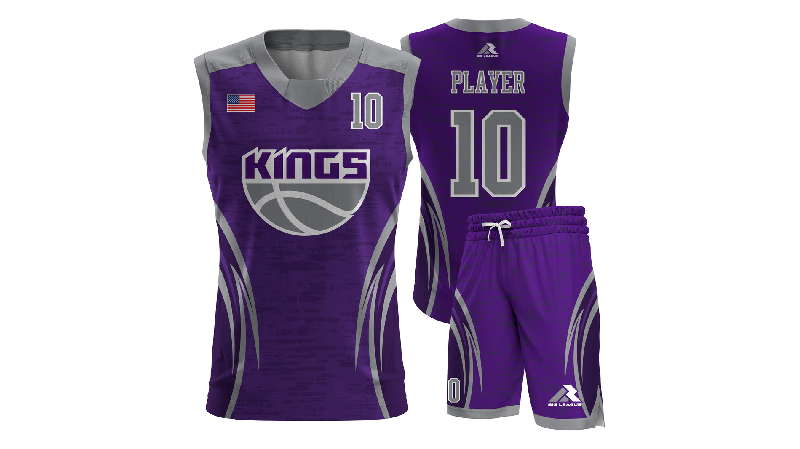
Choosing the right fabric for custom basketball jerseys requires careful thought, as it affects player comfort, performance, and durability. Polyester is a popular choice due to its lightweight feel, moisture-wicking ability, and vibrant colour retention, ideal for frequent use and professional games. For hot weather or outdoor play, mesh fabrics offer superior breathability and ventilation but might not be as durable. Nylon blends provide excellent strength and flexibility for intense use but can be less breathable. Adding spandex enhances stretchiness which helps with movement on court. It’s smart to test fabric samples in actual conditions and gather player feedback before finalising a choice that balances cost, comfort, and team identity.
Factors to Consider When Choosing Basketball Jersey Fabric
When selecting fabric for custom basketball jerseys, durability is crucial as the material must withstand frequent washing and the rough nature of the game. Moisture management is equally important; fabrics that wick sweat away quickly help keep players dry and comfortable during intense matches. Breathability should not be overlooked, as good airflow assists in regulating body temperature, especially in warmer conditions or outdoor play. The weight of the fabric also matters, a lighter fabric generally allows for better ease of movement and less fatigue on the court. Stretch and flexibility are vital to support quick, dynamic movements without restricting players, which is why many fabrics include a degree of elasticity. Colour retention is another key factor: the fabric must maintain vibrant team colours and design details despite repeated washes and exposure to sunlight. Compatibility with customisation methods like printing or embroidery ensures logos and numbers appear crisp and long-lasting. Budget considerations play a role as well; the chosen fabric should balance cost without sacrificing performance or appearance. Environmental impact is becoming increasingly relevant, so sustainable fabric options can be a thoughtful choice for eco-conscious teams. Lastly, it’s wise to match the fabric with the typical climate and playing conditions, selecting materials that perform well indoors or outdoors, in hot or cooler environments, to keep players comfortable throughout the season.
- Look at how durable the fabric is against frequent washing and rough play
- Check how well the fabric handles moisture to keep players dry during games
- Evaluate breathability to ensure good airflow and temperature control
- Consider the weight of the fabric for player comfort and ease of movement
- Assess the stretch and flexibility to support quick movements without restriction
- Think about how the fabric holds colour and design details over time
- Review compatibility with printing or embroidery methods for custom logos and numbers
- Factor in the cost to suit the team’s budget without compromising quality
- Take into account the environmental impact and sustainability of the fabric
- Match the fabric choice with the climate and usual playing conditions

Polyester Fabric Benefits and Best Uses
Polyester is a popular choice for custom basketball jerseys due to its lightweight nature and quick-drying properties, making it ideal for intense games where players need to stay comfortable and dry. Its excellent moisture-wicking ability pulls sweat away from the skin, helping to regulate body temperature and reduce discomfort during play. The fabric also retains vibrant colours very well, which is essential for teams looking to showcase bold branding and detailed logos that stay sharp over time. Additionally, polyester offers good UV protection and resists moisture from rain or sweat, adding to its practicality for both indoor and outdoor games. It holds its shape effectively, ensuring the uniform maintains a consistent fit even after numerous washes and wears. Polyester’s compatibility with sublimation printing allows for crisp, lasting designs that do not fade or crack easily. Due to its durability and performance, polyester is commonly used in professional basketball jerseys where frequent use and rigorous conditions are expected. Pricing is generally affordable and varies with order size, making it accessible for most teams. To keep polyester jerseys in top condition, it is best to wash them in cold water and avoid high heat when drying, preventing damage to the fabric and prints. Typical production lead times range from three to four weeks, although faster options are available for teams needing quicker turnaround. Overall, polyester combines comfort, durability, and visual appeal, making it a reliable choice for teams aiming for high-quality, custom basketball uniforms.
Advantages of Mesh Fabric for Hot Weather
Mesh fabric stands out for hot weather basketball because of its open weave, which maximises ventilation and airflow. This design makes it the most breathable choice among common jersey fabrics, allowing players to stay cooler during intense outdoor games. Its lightweight construction helps reduce fatigue, so athletes can maintain their performance longer without feeling weighed down. Additionally, mesh excels at moisture-wicking, pulling sweat away from the skin and reducing sweat accumulation by over 30% in warm conditions, which keeps players comfortable and focused. The fabric’s natural elasticity supports unrestricted movement without feeling tight or stiff, important for dynamic basketball actions. While mesh offers moderate durability, it suits casual or summer league play well, especially when balanced with its affordability compared to higher-end fabrics. For care, gentle washing in cold water and air drying preserve its integrity. Overall, mesh is ideal for teams playing outdoors or in climates where cooling is a priority, combining breathability, comfort, and cost-effectiveness in one fabric choice.
Durability and Comfort of Nylon and Nylon Blends
Nylon is a popular choice for basketball jerseys when durability and flexibility are priorities. Known for its high tensile strength, it resists tears and abrasion well, which is particularly useful during physical, rough play. Its elasticity improves further when blended with spandex, offering players a good range of motion without compromising the jersey’s structure. The fabric feels soft against the skin, making it comfortable to wear for extended periods, although it dries slower compared to polyester. Nylon’s moderate breathability makes it suitable mainly for indoor games where ventilation is less of a concern. Another advantage is its excellent shape retention; even after repeated stretching, jerseys maintain a neat, fitted appearance. However, nylon is less resistant to UV damage, so colours may fade faster if worn outdoors frequently. For teams with active players who need tough, flexible uniforms, nylon blends are excellent, especially in positions requiring dynamic movement like point guards. Care should include washing in cool water and avoiding prolonged exposure to sunlight to preserve the fabric’s integrity. Blends with spandex enhance flexibility but might cling slightly on some players, which is worth considering when selecting the right fit.
Role of Spandex in Jersey Flexibility
Spandex plays a crucial role in enhancing the flexibility of custom basketball jerseys by introducing a 4-way stretch to the fabric. Typically blended at 5 to 12 per cent with polyester or nylon, spandex allows the material to stretch in all directions, supporting the rapid and dynamic movements essential in basketball, such as quick cuts, pivots, and jumps. This elasticity helps the jersey conform closely to the body without feeling restrictive, improving comfort and freedom of movement on court. Unlike stiff fabrics, spandex reduces the risk of injury that can arise from tight or rigid uniforms by accommodating muscle expansion and contraction during play. Although spandex blends may impart a slight clingy feel that some players might find uncomfortable, it does not add noticeable weight, preserving the lightweight nature vital for performance. Moreover, when combined with moisture-wicking fibres, spandex helps keep players dry and mobile by efficiently managing sweat. These blends also maintain their shape well, even after repeated stretching and washing, ensuring the jersey remains durable and fit for multiple seasons. Because of these benefits, spandex is common in modern basketball jerseys where flexibility and movement are priorities.
Specialty Fabrics: Dazzle and Eco-Friendly Options
Dazzle fabric offers a shiny, eye-catching finish that adds a distinctive flair to basketball jerseys. While it’s typically used for trims, logos, or accent panels rather than entire jerseys, it maintains its vibrant look even after regular use and washing, making it a durable choice for standout details. On the other hand, recycled polyester presents an eco-friendly alternative that appeals to teams aiming to reduce their environmental impact. These sustainable fabrics deliver performance comparable to traditional polyester, with moisture management and durability intact. Many specialty fabrics, including dazzle and recycled options, support sublimation printing, allowing for bold custom designs without compromising the fabric’s integrity. Although these materials may come at a higher price point due to their unique production processes or recycled content, they offer a blend of style and function that can elevate team branding while considering environmental responsibility. Care instructions for these fabrics generally align with standard polyester guidelines, ensuring ease of maintenance without special treatment.
Essential Criteria for Fabric Selection
When choosing fabric for custom basketball jerseys, durability is crucial as the material must endure frequent washing, intense physical contact, and regular wear without losing shape or colour. Effective moisture management is equally important; fabrics that wick sweat away from the skin keep players dry and focused throughout the game. Breathability supports this by allowing air circulation to regulate temperature, helping prevent overheating during fast-paced matches. Lightweight fabrics are preferred as they reduce fatigue and enable quicker movements on the court. Stretch and flexibility matter too, ensuring the fabric moves with players during sudden sprints and jumps without restriction or tearing. Customisation needs play a role: the fabric should be compatible with printing techniques like sublimation or embroidery to display logos and numbers vividly and durably. Budget considerations cannot be overlooked; balancing quality and cost ensures teams get the best value without compromising performance. Environmental impact is gaining importance, with many teams opting for sustainable fabrics like recycled polyester to support eco-friendly practises. Ease of care is practical too, fabrics that maintain their properties after multiple washes and require simple care extend the jersey’s lifespan. Lastly, consider the playing environment: indoor courts might favour different fabric qualities than outdoor or hot-weather conditions, where breathability and moisture control become even more critical. Taking these criteria into account helps select a fabric that enhances player comfort, performance, and team identity.
Testing Fabric Samples and Gathering Player Feedback
Before committing to a fabric choice for custom basketball jerseys, it’s essential to obtain samples of the shortlisted materials. Testing these samples during actual practise sessions allows players and coaches to evaluate comfort, fit, and performance in realistic conditions. Pay close attention to how well the fabric breathes and manages sweat, as this impacts player comfort during intense games. Movement and flexibility should also be assessed by simulating game-like motions, ensuring the fabric doesn’t restrict agility or cause discomfort. Additionally, it’s important to review the durability of each fabric after multiple washes to confirm it can withstand regular use without losing shape or colour.
Equally important is gathering direct feedback from the players who will wear the jerseys. Encourage them to share their views on the fabric’s texture, weight, and stretch, as these factors influence their overall experience on court. Players can often identify subtle issues such as itchiness, clinginess, or overheating that aren’t obvious from specifications alone. It’s also useful to consider how the fabric looks and feels once customised with team logos and colours, as some materials hold prints better than others.
Using player input helps balance technical performance with personal comfort, making sure the final choice supports both athletic demands and wearer preferences. Adjustments to fabric selection should be based on this practical experience rather than solely on theoretical specs or supplier descriptions. For example, a fabric that performs well on paper but feels heavy or restrictive in play may not be the best option. Ultimately, testing samples and actively involving players in the decision process leads to a more informed, satisfactory choice for custom basketball jerseys.
Comparing Breathability, Moisture-Wicking, and Durability
Choosing the right fabric for custom basketball jerseys requires weighing breathability, moisture-wicking, and durability based on the team’s priorities and playing environment. Polyester is a popular choice because it offers excellent moisture-wicking and good breathability, keeping players dry and comfortable in most conditions. This makes it suitable for intense games where sweat management is crucial. Mesh fabric, often a polyester variant with an open weave, excels in breathability and sweat evaporation, making it ideal for hot weather or outdoor matches. However, this comes with moderate durability, so it may not withstand very rough play as well as other options. Nylon stands out for its high durability and stretch, offering excellent resistance to tears and abrasion. While it provides moderate breathability and moisture control, it’s better suited for teams prioritising toughness and flexibility, especially in positions requiring dynamic movements. Lightweight fabrics reduce player fatigue but must still hold up to frequent use; finding the right balance is key. Additionally, design and printing needs influence fabric choice: polyester suits sublimation printing for vibrant, long-lasting colours, while mesh and nylon might require different approaches. Maintenance and expected lifespan also matter, as some fabrics need gentler care to retain performance. Ultimately, understanding these traits helps teams select a fabric that supports player performance, comfort, and the specific demands of their games.
Latest Trends in Basketball Jersey Fabrics
Recent advances in basketball jersey fabrics focus heavily on enhancing player comfort, performance, and sustainability. One popular trend is the increased use of mesh panels, which significantly improve ventilation and cooling by allowing better airflow during intense play. Teams are also favouring blends that incorporate spandex, providing essential stretch and flexibility that support dynamic movements on the court without compromising comfort. Sustainability has become a priority, with recycled polyester gaining traction as an eco-friendly alternative that maintains durability and colour vibrancy. Another innovative approach is tactical zoning, where mesh and stretch fabrics are combined strategically in different jersey areas to optimise breathability and freedom of movement exactly where players need it most. Some manufacturers are experimenting with phase-change materials in fabrics, which help regulate temperature by absorbing or releasing heat, keeping athletes comfortable in varying conditions. Printing technology has evolved too, allowing for more detailed and durable custom designs that stand up well to repeated washing and wear. The overall focus is on lightweight, breathable fabrics that do not sacrifice strength, meeting the dual demands of performance and longevity. Teams increasingly seek materials that balance these performance features with a reduced environmental impact. Styles remain important, so specialty fabrics like dazzle continue to be popular for adding eye-catching accents without affecting function. Ultimately, players and teams are prioritising fabrics that offer comfort, flexibility, and eco-conscious credentials, reflecting a modern approach to sportswear that values both athletic needs and sustainability.
Frequently Asked Questions
1. What fabric qualities should I consider for basketball jerseys to ensure good performance?
Look for fabrics that offer breathability, moisture-wicking properties, and stretchability. These qualities help keep players cool, dry, and comfortable during intense games.
2. How does the choice of fabric impact the durability of custom basketball jerseys?
Fabrics with high tensile strength and resistance to wear and tear tend to last longer. Materials like polyester blends are commonly used because they hold up well against frequent washing and rough play.
3. Are natural fabrics suitable for basketball jerseys compared to synthetic ones?
Natural fabrics like cotton can be comfortable but may absorb sweat and dry slowly, which isn’t ideal for performance. Synthetic fabrics are generally preferred as they wick moisture away and maintain shape better during activity.
4. How important is fabric weight when selecting materials for basketball jerseys?
Fabric weight affects comfort and mobility; lighter fabrics enhance agility and reduce overheating, while heavier fabrics may offer more durability but can limit movement and increase heat retention.
5. Can fabric texture influence the fit and feel of custom basketball jerseys?
Yes, smooth, lightweight textures usually provide a snug and comfortable fit without causing irritation. Rougher textures might cause chafing or discomfort, especially during intense physical activity.
TL;DR Choosing the right fabric for custom basketball jerseys is crucial for player comfort, performance and durability. Polyester is favoured for its lightweight, moisture-wicking qualities and vibrant colour retention, making it ideal for professional and frequent use. Mesh fabrics excel in breathability and cooling, suited to hot weather and outdoor play, while nylon and its blends offer toughness and flexibility for rougher gameplay. Adding spandex boosts stretch and movement, and specialty options like dazzle or recycled polyester offer style or sustainability. Testing fabric samples on-court and gathering player input ensure the best fit for your team’s needs, balancing breathability, moisture management, durability, and cost.

Seth Hatfield, a maverick in the realm of writing, seamlessly weaves tales from the world of construction and beyond. With a unique blend of insight and creativity, he invites readers on a journey through his diverse repertoire of articles.