
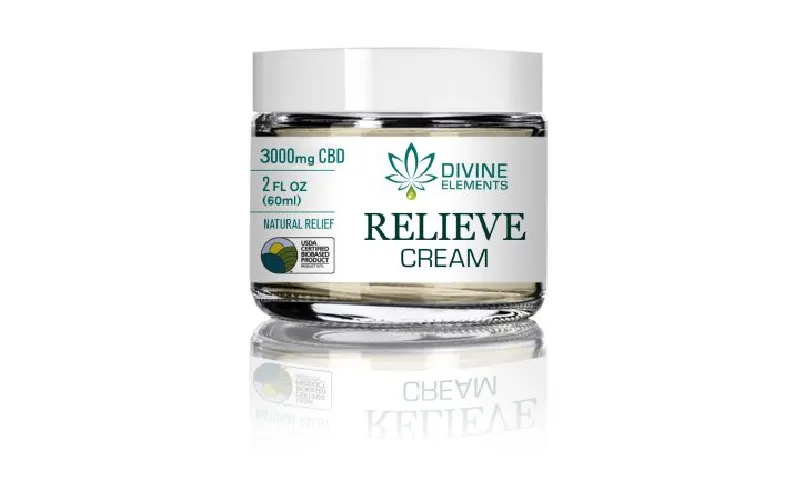
Before trying topical CBD products, it’s crucial to understand what CBD actually is. Unlike THC, it doesn’t produce a high but may promote relaxation and pain relief. Many people seek CBD for its potential benefits like easing chronic pain or helping with skin conditions such as eczema and acne thanks to its anti-inflammatory properties. However, not all products are the same; their quality can vary widely, so be careful to read labels and choose reputable brands. Additionally, since most CBD products aren’t FDA-approved (except for Epidiolex), it’s wise to consult a healthcare provider beforehand, especially for those with existing health concerns or in specific populations like pregnant women.
1. Understanding CBD and Its Effects
CBD, or Cannabidiol, is one of the fascinating compounds found in cannabis, with over 100 cannabinoids in total. Unlike its more famous cousin THC, CBD is non-psychoactive, meaning it won’t get you high. Instead, CBD interacts with the body’s endocannabinoid system, which helps regulate functions like mood and pain sensation. Many users report feeling a sense of calmness and relief from stress after using CBD products. It’s important to note that the effects of CBD can vary widely, depending on individual body chemistry and the specific formulation of the product. Research suggests that CBD may also influence serotonin levels, which are crucial for mood and anxiety regulation. Some studies even indicate that CBD could have neuroprotective properties, raising interest in its potential applications for neurodegenerative diseases. Topical CBD products come in various forms, including creams and oils, each with different absorption rates and effects. Users often experience quick relief from topical applications, sometimes feeling effects within minutes, unlike edibles that can take much longer. Knowing how CBD works and what to expect can empower users to make informed decisions about incorporating it into their wellness routines.

2. Health Benefits of Topical CBD
Topical CBD products are gaining attention for their exciting potential to provide relief from various physical discomforts. One of the key benefits is their ability to target localized pain, making them popular among those suffering from muscle soreness and joint pain. Whether it’s post-workout recovery or everyday aches, many users report noticeable relief. Additionally, CBD’s anti-inflammatory properties make it a great option for managing conditions like arthritis and sports injuries, helping to reduce swelling and discomfort.
Another intriguing aspect of topical CBD is its antibacterial properties, which may assist in treating minor skin infections and blemishes. This makes it an appealing choice for those looking to maintain clear skin. Furthermore, some studies suggest that CBD can soothe sunburns and promote faster healing of damaged skin, offering a natural remedy for those who enjoy the outdoors.
For individuals with sensitive skin, topical CBD might be a game-changer, providing relief from irritation and redness. It’s also been shown to support overall skin health by maintaining moisture levels and reducing oil production, which can help with conditions like acne. Moreover, CBD’s potential benefits extend to scalp health, where it may aid in reducing dandruff and even promoting hair growth.
Athletes often turn to topical CBD for recovery, finding it effective in alleviating soreness and improving mobility after intense workouts. The promising research surrounding CBD signals that we may uncover even more specific benefits in the near future, making topical CBD an exciting area to explore.
3. Quality and Potency Variability
When diving into the world of topical CBD products, one crucial aspect to consider is the variability in quality and potency across different brands and products. This inconsistency underscores the importance of careful selection. For instance, two creams may claim to contain the same amount of CBD, yet one might deliver effective relief while the other falls flat. To navigate this landscape, look for products that undergo thorough third-party lab testing, this not only verifies the CBD content but also ensures that the products are free from harmful contaminants.
It’s also essential to be aware that some products may mislead consumers with inaccurate labels regarding their CBD and THC levels. Such discrepancies can lead to unexpected side effects or inadequate relief. Understanding the different types of CBD products, full-spectrum, broad-spectrum, and isolate, can also influence your experience. Each type has its unique properties, which can affect how they interact with your body.
The extraction method used plays a significant role in product quality, with CO2 extraction often being regarded as the gold standard. This method preserves the integrity of cannabinoids and terpenes, resulting in a more effective product. Additionally, always seek out products that provide a Certificate of Analysis (COA) for transparency regarding their contents.
Potency is another vital factor to consider; it directly impacts how much CBD you may need to use for your desired effects. Starting with lower potency products is generally advisable to gauge your individual response before increasing the dosage. Finally, keep in mind that the source of hemp can also influence cannabinoid profiles and overall effectiveness, making it essential to understand where your CBD is coming from. By grasping these factors, you can find the right topical CBD product tailored to your specific needs.
4. FDA Regulations and Oversight
The landscape of CBD regulation is complex and ever-evolving. The FDA has only approved one CBD product, Epidiolex, which is used for treating epilepsy. This leaves a vast majority of CBD products without FDA approval, creating a scenario where product quality and safety can vary widely. The FDA has taken steps to warn companies that make unverified health claims about their CBD products, indicating a need for consumer caution. As it stands, the FDA is working towards clearer guidelines for the marketing and sale of CBD, but until those regulations are finalized, consumers must be vigilant. It’s crucial to choose products from reputable brands, as the lack of oversight can lead to inconsistencies in potency and labeling. Additionally, state regulations can further complicate matters, resulting in a patchwork of laws across the U.S. Staying informed about the regulatory landscape can help consumers make safer choices and navigate this exciting but uncertain market.
5. Safety Concerns and Side Effects
While CBD is often regarded as a safe option for many, it’s important to be aware of potential side effects, particularly if you’re using it in higher doses. Common reactions can include drowsiness, changes in appetite, and gastrointestinal discomfort, which may not be pleasant for everyone. Some users might even experience allergic reactions, making patch testing a wise step before applying a product broadly on your skin.
Another significant point to consider is CBD’s interaction with medications, especially those processed by the liver. If you’re on prescription drugs, consulting with your healthcare provider is crucial to avoid any unwanted complications. It’s also worth noting that not every CBD product is suitable for everyone, particularly those with pre-existing health conditions. High doses could lead to more serious side effects, so starting slow and finding your ideal dosage is key.
If you’re pregnant or breastfeeding, caution is warranted due to the limited research on CBD’s effects in these circumstances. Keeping track of your body’s reactions and adjusting your dosage accordingly can help you avoid discomfort. Ongoing research is continually unveiling new insights into CBD’s safety profile, but until more is known, it’s best to approach with care and diligence.
- While CBD is generally considered safe, side effects can occur, particularly at high doses.
- Common side effects include drowsiness, changes in appetite, and gastrointestinal discomfort.
- Some users may experience allergic reactions, highlighting the need for patch testing before widespread use.
- CBD can interact with medications, especially those metabolized by the liver, necessitating caution.
- Not all CBD products are suitable for everyone, especially those with underlying health conditions.
- High doses may lead to more severe side effects, emphasizing the importance of moderation.
- Users should be aware of their own reactions and adjust dosages accordingly to avoid discomfort.
- Pregnant or breastfeeding individuals should be cautious, as research on CBD’s impact in these groups is limited.
- Ongoing research aims to further clarify the safety profile of CBD and identify potential long-term effects.
- Consultation with healthcare providers can help mitigate risks associated with CBD use.
6. Special Considerations for Certain Groups
When considering topical CBD products, it’s important to remember that some groups require extra caution. For instance, pregnant and breastfeeding individuals should avoid CBD because there isn’t enough safety data to ensure its safety for them or their babies. Children may also react differently to CBD, so professional guidance is essential before they use it. Elderly individuals should be mindful, as age can affect how their bodies respond to CBD.
Those with liver disease or individuals taking medications that impact liver enzymes must consult a healthcare provider before starting CBD, to avoid potential complications. Moreover, if you have a history of substance use disorder, it’s wise to approach CBD carefully and keep an eye on any changes in behavior.
For people with skin sensitivities or allergies, conducting a patch test is a smart move before using CBD on larger areas of skin. Chronic illness patients might find tailored CBD regimens beneficial, but these should be developed with a healthcare professional’s guidance to optimize benefits while minimizing risks.
Athletes also need to be aware of drug testing regulations in their sports, as some CBD products can contain trace amounts of THC. Ultimately, understanding your personal health factors is crucial for making informed decisions about using CBD. Special populations often need individualized approaches to ensure they can enjoy the benefits while managing any risks.
7. Legal Status of CBD Products
CBD products derived from hemp are federally legal in the U.S. as long as they contain less than 0.3% THC, which is great news for many consumers. However, the legal landscape is not as straightforward as it seems. State laws can vary dramatically, with some states enforcing stricter regulations on CBD than others. For instance, while a product might be legal in one state, it could be entirely illegal in another. This means it’s crucial for consumers to verify local laws before purchasing or using CBD products to steer clear of any legal issues.
The legal status of CBD is continually evolving, so staying informed about changes in both federal and state law is essential. Some states have embraced broader access to cannabis, which often includes CBD products, while others remain more restrictive. It’s also important to note that certain industries, like food and beverage, might face additional regulations regarding CBD use.
If you’re thinking about traveling with CBD products, be cautious. Laws can differ significantly from state to state, and what is acceptable in one area may not be in another. Moreover, in states where CBD remains illegal, the legitimacy of products can be questionable, reinforcing the need for caution in those regions.
Understanding the legal status can empower consumers to navigate the available options effectively and avoid potential pitfalls. As the market for CBD products grows, so does the complexity of its legality, highlighting the importance of ongoing education in this rapidly changing field.
8. Recommendations for Safe Use
Starting with a low dosage is key when using topical CBD products. This approach allows you to gradually find the right amount for your needs without overwhelming your skin. Always conduct a patch test on a small area to check for any adverse reactions before applying the product more broadly. It’s wise to avoid using multiple active ingredients in the same area, as this can lead to skin irritation. Choose reputable brands that provide third-party lab testing results, ensuring transparency and quality. Keeping a detailed journal of your CBD use can help you track effects and adjust dosages accordingly. If you are taking other medications or have health concerns, consulting with a healthcare provider is crucial. Additionally, consider the type of product you are using; oils may offer different benefits than creams. Store your CBD products in a cool, dry place to maintain their potency and shelf life. If you’re planning activities that require full concentration, like driving or operating machinery, be cautious about using CBD beforehand. Regularly reviewing your experience and consulting professionals can help fine-tune your approach to CBD use.
9. Importance of Professional Consultation
Consulting with a healthcare provider is crucial before diving into the world of topical CBD products. This step ensures you receive personalized advice tailored to your specific health needs. Dermatologists, in particular, can offer valuable insights on how CBD might interact with your unique skin conditions and any ongoing treatments. It’s essential to assess potential interactions with your current medications, as CBD can influence how other drugs work in your body. By discussing your intentions with a professional, you can make informed choices that prioritize your safety.
Regular check-ins with healthcare providers are a smart approach to monitor your experience with CBD. They can help you refine your dosage and track any effects, optimizing the benefits for chronic conditions. Don’t hesitate to ask questions about CBD during consultations, as a knowledgeable provider can enhance your overall experience and ensure you choose high-quality products. Navigating the growing landscape of CBD research can be overwhelming, but with professional support, you can make informed decisions that align with your health goals.
10. Ongoing Research and Future Directions
The world of CBD research is buzzing with excitement, as studies continue to unveil its potential therapeutic applications across various conditions. Clinical trials are currently underway, investigating how effective CBD can be for anxiety, pain relief, and skin disorders. One fascinating area of exploration is the synergy between CBD and other cannabinoids, like THC, which may enhance their benefits when used together. Moreover, researchers are keenly focused on developing new delivery methods that could improve the efficacy and convenience of CBD use, making it easier for consumers to integrate into their routines.
As regulations around CBD evolve, we can anticipate more rigorous studies that may lead to FDA approval for additional CBD-based products. This growing consumer interest is driving innovation, resulting in new formulations and combinations aimed at maximizing effects. Researchers are also examining the long-term safety of CBD, especially with regular use, ensuring that consumers can enjoy its benefits with confidence.
Furthermore, a deeper understanding of the complexities of the endocannabinoid system may unlock new potential uses for CBD and other cannabinoids. With the body of evidence expanding, clearer guidelines and recommendations are likely to emerge, empowering consumers to make informed choices about the CBD products they select. Staying updated on the latest research findings is crucial, as it not only enhances your knowledge but also helps you navigate the evolving landscape of CBD products more effectively.
Frequently Asked Questions
1. What should I look for when choosing a topical CBD product?
When picking a topical CBD product, check the ingredients, look for third-party lab testing, and choose a product that fits your specific needs, like pain relief or skin hydration.
2. Can CBD products get me high?
No, CBD products made from hemp typically contain very low levels of THC, the psychoactive compound in cannabis, so they won’t give you a high.
3. How do I know if a topical CBD product is working for me?
You can assess its effectiveness by noting any changes in your symptoms, like reduced pain or improved skin condition, often within a few hours or days of use.
4. Are there any side effects from using topical CBD products?
Most people tolerate topical CBD well, but some might experience skin irritation or allergic reactions, so it’s wise to do a patch test before full use.
5. How should I apply topical CBD products for the best results?
For optimal results, apply the product directly to the affected area, massaging it in gently until absorbed, and consider reapplying as needed throughout the day.
TL;DR Before trying topical CBD products, it is essential to understand CBD’s non-psychoactive nature and potential health benefits, such as pain relief and skin improvement. Quality can vary significantly, and most products lack FDA approval, so choose wisely and read labels carefully. While CBD is generally safe, be aware of possible side effects and interactions with medications. Special populations, including pregnant individuals and children, should consult healthcare providers. Always check local laws regarding CBD’s legality. Start with low potency, monitor reactions, and keep a journal of effects. Ongoing research is needed to further understand CBD’s efficacy and safety.

Seth Hatfield, a maverick in the realm of writing, seamlessly weaves tales from the world of construction and beyond. With a unique blend of insight and creativity, he invites readers on a journey through his diverse repertoire of articles.