
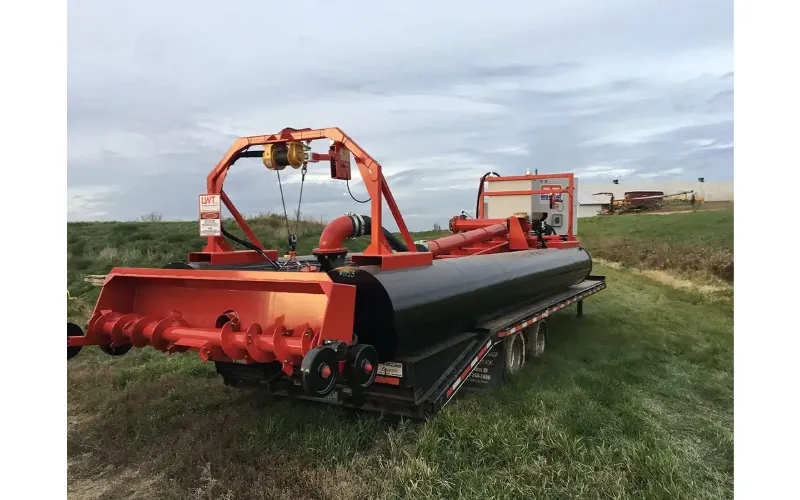
When considering automated dredge versus manual techniques, the debate gets intriguing. Automated systems offer speed and efficiency, allowing operators to tackle larger areas in less time. They can work around the clock without needing breaks, which is a huge plus for project deadlines. However, manual dredging still holds its charm; it allows for greater precision and control in sensitive environments. Plus, skilled divers can navigate tricky spots that machines might miss. It really depends on the specific needs of a project: if you want rapid results with less human labor, automation may be the way to go; if detail and care matter most, manual methods could stand out.
1. Overview of Automated Dredging
Automated dredge refers to the use of advanced technology to perform dredging tasks with minimal human intervention. This innovative approach typically involves remotely operated vehicles (ROVs), autonomous underwater vehicles (AUVs), and specialized dredging machines equipped with sensors and artificial intelligence. These machines can analyze the underwater environment, determine the optimal dredging paths, and execute the dredging process efficiently.
Common types of automated dredging equipment include suction dredgers, cutter suction dredgers, and environmental dredgers, each designed for specific applications. Automated dredging operates by integrating GPS, sonar, and other technologies to navigate and perform tasks accurately. For instance, an autonomous dredger can map the seafloor, identify sediment types, and selectively remove material without the need for constant human oversight.
The applications for automated dredging are vast, ranging from maintaining navigational channels and ports to environmental restoration projects. It is particularly beneficial in sensitive environments where human presence may cause disturbance. The benefits of automation include increased efficiency, enhanced safety, and reduced operational costs. Key players in the automated dredging market include companies like Damen Dredging Equipment and IHC, which are at the forefront of developing these cutting-edge technologies.
However, automated dredging also faces challenges, such as regulatory compliance, the need for skilled personnel to manage the technology, and the initial investment costs. Regulatory standards are crucial, as they ensure that automated dredging operations meet safety and environmental guidelines. Recent innovations, like the incorporation of machine learning algorithms for predictive maintenance and real-time data analysis, are further enhancing the capabilities of automated dredging.
Case studies, such as the successful use of automated systems in the Port of Rotterdam, highlight how these technologies can streamline operations and improve project outcomes, showcasing the future potential of automated dredging.

2. Understanding Manual Dredging
Manual dredging is the process of removing sediment and debris from the bottom of rivers, lakes, or other bodies of water using human labor rather than machines. This method can take various forms, including hand-dredging with tools like shovels and buckets, or using small boats equipped with winches and simple dredging apparatus. Manual dredging is often performed in shallow areas where machinery cannot operate efficiently, allowing workers to access tight spaces and perform intricate tasks.
Common applications for manual dredging include small-scale restoration projects, ecological conservation efforts, and maintenance of recreational waterways. For instance, in community lakes, volunteers might manually remove algae and debris to improve water quality and aesthetic appeal. The advantages of manual methods lie in their lower initial investment and flexibility, as workers can adapt quickly to changing conditions and specific project needs.
However, manual dredging comes with limitations, such as slower progress compared to automated methods, higher labor costs in the long run, and physical demands on workers. Safety protocols are crucial in manual dredging, as workers are often exposed to hazardous conditions, including unstable banks, murky waters, and potential wildlife encounters. Key equipment typically includes basic hand tools, personal protective gear, and sometimes small boats or rafts.
The labor force for manual dredging often consists of skilled workers familiar with aquatic environments and sediment handling. Historically, manual dredging has been practiced for centuries, evolving from simple hand tools to more sophisticated techniques while remaining essential in many localized dredging operations.
3. Key Differences Between Automated and Manual
When comparing automated and manual dredging, efficiency often stands at the forefront. Automated dredging typically outperforms manual methods in speed and consistency, allowing projects to adhere to tighter schedules. For instance, an automated dredge can process large volumes of material quickly, minimizing delays and optimizing project timelines. However, this efficiency comes with a higher initial investment in technology and equipment, which can lead to significant cost differences over the lifespan of a project.
Another crucial factor is precision. Automated dredges utilize advanced technology to achieve high levels of accuracy, which is essential for projects requiring specific material removal or depth control. In contrast, manual dredging, while potentially more flexible in certain conditions, can suffer from variable precision depending on the skills of the operators involved. This variability can also affect the quality of work and necessitate additional time for corrections.
Labor requirements differ greatly between the two methods as well. Automated dredging reduces the need for large teams, relying instead on skilled operators who can manage the technology. This not only cuts down on labor costs but also reduces the risks associated with manual labor in challenging environments. Training needs are also noteworthy; operators of automated systems require specialized training to handle the technology effectively, while manual dredging may demand more general skills.
Environmental considerations play a vital role too. Automated systems often incorporate features designed to minimize environmental impact, such as precise material removal and reduced emissions. In contrast, manual dredging can lead to greater disturbances in sensitive areas if not executed carefully. Finally, flexibility in different dredging conditions is essential. Automated dredges can adapt to various environments but may struggle in areas with complex topography, whereas manual dredging can be more versatile but less efficient in large-scale operations.
4. Cost Comparison: Automated vs Manual
When weighing the costs of automated versus manual dredging, the differences are striking. Initially, automated dredging systems require a higher investment, often involving advanced technology and equipment that can cost hundreds of thousands to millions of dollars. In contrast, manual dredging typically has lower upfront costs, relying on traditional methods and labor. However, operational costs over time tell a different story, as automated systems can significantly reduce labor costs and increase productivity, resulting in lower overall expenses in the long run. Maintenance is another crucial factor; while automated equipment may require specialized servicing, manual dredging is heavily reliant on human labor, which can lead to inconsistent quality and higher costs associated with injuries or inefficiencies.
Moreover, project size plays a vital role in determining cost efficiency. Large-scale projects often benefit from automation due to its ability to handle massive volumes of material quickly and effectively, ultimately leading to better cost management. Hidden costs can also emerge in both methods; for example, manual dredging might underestimate labor overtime, while automated systems may face unexpected repairs. A return on investment analysis reveals that the long-term savings from automation can outweigh the initial costs, especially as project demands grow. Financial support and incentives, such as grants or tax breaks for adopting green technologies, can further tip the scales in favor of automated dredging, making it an appealing option for many project managers.
5. Efficiency in Dredging Operations
Measuring efficiency in dredging is crucial for determining the best approach for a project. Time is often the most significant factor, as automated dredging systems can complete tasks in a fraction of the time required for manual methods. For instance, automated dredgers can operate continuously, allowing for faster project completion and optimal resource utilization. This efficiency extends to sediment removal, where automated systems often demonstrate superior effectiveness, ensuring that more material is extracted with fewer passes.
When comparing dredging depth capabilities, automated systems typically excel, offering precision and depth that manual dredging may struggle to achieve. Technology plays a vital role here, as advancements in automation have led to innovations such as GPS-guided systems, which enhance accuracy and reduce the time spent on repositioning.
In terms of worker productivity, studies show that automated dredging can free up labor for other critical tasks, allowing teams to focus on monitoring and quality control rather than manual labor. However, environmental factors such as water conditions and sediment types can influence the performance of both methods, requiring careful consideration in project planning.
Case studies reveal stark differences in efficiency. For example, a recent project utilizing automated dredging finished weeks ahead of schedule, while a similar project using manual methods faced delays and exceeded its budget. As technology continues to advance, the future of dredging promises even greater efficiencies, making it an exciting time for the industry.
6. Environmental Impact of Each Method
When comparing automated and manual dredging, the environmental impact is a crucial factor. Automated dredging often causes significant ecological disturbance due to its heavy machinery and the scale of operations. It can disrupt habitats, leading to negative effects on local wildlife and the surrounding ecosystems. In contrast, manual dredging tends to be less intrusive, as it allows for more precise and controlled operations, minimizing the disturbance to the environment.
Water quality is another area where these methods diverge. Automated dredging can stir up sediments, releasing pollutants and increasing turbidity, which affects aquatic life. Manual dredging, while still impacting water quality, typically has a smaller footprint and can be conducted more carefully, allowing for better management of water quality.
The carbon footprint is also a significant consideration. Automated dredging often involves diesel-powered equipment, leading to higher emissions compared to manual methods, which can utilize human power or smaller, less polluting machines. Regulatory compliance is essential in both cases, with strict guidelines in place to protect the environment. However, the automated approach may face more scrutiny due to its potential for greater environmental harm.
Sustainability practices are evolving in the dredging industry. Automated methods are increasingly incorporating eco-friendly technologies to mitigate their environmental impact, such as GPS and remote sensing for more precise operations. On the other hand, manual dredging can benefit from traditional knowledge and community engagement, leading to practices that emphasize environmental stewardship.
Mitigation measures are vital for both methods. For automated dredging, implementing silt curtains and other barriers can help minimize sediment spread. In manual dredging, training and community awareness can enhance efforts to protect sensitive areas.
Long-term ecological studies are essential in understanding the lasting effects of each method. Studies comparing habitat restoration post-dredging have shown that manual methods can lead to quicker recovery of ecosystems, while automated dredging may require more extensive intervention to restore balance.
Community perceptions play a key role in shaping dredging practices. Communities often express concerns about the environmental impact of automated dredging due to its scale and visibility, while manual dredging may be viewed more favorably. Innovative approaches, such as using biodegradable materials or developing hybrid machines, are being explored to reduce the environmental footprint of dredging overall.
7. Safety Considerations in Dredging
Dredging operations come with their own set of hazards, making safety a top priority. Workers may face risks such as slips, trips, and falls, equipment malfunctions, and exposure to hazardous materials. To combat these dangers, it’s crucial to have the right safety gear, including helmets, life vests, and protective clothing. Training programs for operators are essential, focusing on safe operation techniques and hazard recognition. In case of emergencies, having well-defined response protocols can save lives and minimize injuries.
Automation in dredging has been shown to enhance safety by reducing human error, which is often a significant factor in accidents. Statistics reveal that dredging accidents can lead to serious injuries or fatalities, emphasizing the need for adherence to regulatory safety standards. Technological advancements, like remote monitoring and real-time data analysis, also play a critical role in improving safety conditions on-site.
When comparing manual and automated dredging, the safety culture can differ significantly. Automated operations often foster a safety-first mentality, where operators are less exposed to immediate hazards. Best practices for ensuring safety include regular equipment maintenance, conducting safety drills, and fostering an environment where workers feel empowered to voice safety concerns. By prioritizing these measures, the dredging industry can work towards a safer future.
8. Technological Advancements in Dredging
Recent innovations in dredging technology have revolutionized the way projects are executed. GPS and GIS technologies have made it possible to plan and map dredging sites with pinpoint accuracy, minimizing errors and maximizing efficiency. The use of drones for surveying allows for aerial views of sites, providing data that was previously difficult to gather. Automation technologies in dredging equipment have also seen significant advancements, enabling machines to operate with minimal human intervention, which can lead to faster project completion and reduced labor costs. Eco-friendly dredging methods are gaining traction, incorporating techniques that minimize environmental damage, such as sediment management and the use of biodegradable materials.
Artificial intelligence plays a crucial role in optimizing dredging operations. AI systems can analyze vast amounts of data to predict performance, enhance safety, and improve decision-making. Remote monitoring systems enable real-time oversight of dredging activities, allowing operators to make immediate adjustments based on changing conditions. Collaborations between tech companies and dredging firms are becoming more common, leading to innovative solutions that integrate various technologies for better outcomes. Case studies, such as the use of automated dredgers in urban waterways, showcase the tangible benefits of these advancements, higher efficiency, reduced costs, and enhanced environmental stewardship. Looking ahead, future trends in dredging technology will likely focus on further integration of smart technologies, driving the industry toward more sustainable and efficient practices.
9. Real-World Applications of Each Method
Automated dredging has made significant strides in large-scale operations, particularly in bustling ports around the world. For instance, the Port of Rotterdam in the Netherlands utilizes automated systems to maintain its extensive waterways, allowing for quicker and more efficient sediment removal. These systems not only save time but also minimize disruptions to shipping schedules. On the other hand, manual dredging shines in smaller water bodies. Local communities often rely on skilled labor to maintain ponds and lakes, where manual methods are more suitable due to the delicate nature of these environments.
Environmental restoration projects also benefit from both methods, depending on the scale and sensitivity of the area. Automated dredging is often employed in larger restoration initiatives, such as cleaning up contaminated sediment in rivers. Meanwhile, manual dredging is favored in smaller ecosystems, where human oversight ensures that local flora and fauna are preserved.
In the construction and infrastructure sectors, automated dredging is preferred for major projects like harbor expansions or underwater construction, where speed and efficiency are paramount. Conversely, manual dredging finds its place in smaller construction projects, where specific areas need precise attention and care.
Mining and resource extraction also see varying applications of these methods. Automated dredging has transformed operations in large mineral extraction sites, improving recovery rates and reducing costs. Manual dredging, however, remains essential in artisanal mining operations, where smaller teams utilize traditional methods to access resources.
Each method faces its own set of challenges. Automated systems require significant investment and maintenance, while manual dredging often struggles with labor shortages and the need for skilled workers. The adaptability of each method also plays a crucial role, as automated systems are better suited for expansive projects, but manual dredging can be tailored to fit the specific needs of smaller endeavors.
The impact on local communities is another critical factor, as automated dredging may displace workers or disrupt local economies, while manual dredging often involves community participation and fosters local job creation. Success rates can vary widely, with automated systems excelling in larger, well-funded projects, while manual methods often yield successful results in community-driven efforts.
Looking ahead, opportunities abound for both methods. As technology evolves, automated dredging may become more accessible for smaller projects, while manual methods could incorporate new tools to enhance efficiency and precision.
10. Future Trends in Dredging Techniques
The future of dredging is poised for exciting transformations, driven by emerging technologies and a shift towards greater automation. Companies are increasingly adopting advanced equipment like autonomous dredgers and remote-controlled systems, which promise to enhance efficiency and safety. Sustainability is also becoming a key focus; eco-friendly dredging practices are gaining traction as organizations look to minimize environmental impact. Regulatory changes are anticipated as governments prioritize environmental standards, pushing the industry towards greener solutions.
Global market trends indicate a growing demand for dredging services, particularly in response to climate change. Rising sea levels and increased sedimentation are prompting a reevaluation of traditional methods. Innovations in equipment design, such as energy-efficient dredgers and waste-reducing technologies, are set to reshape operations.
Workforce dynamics are also evolving, with a shift towards a more skilled labor force trained in technology management. Collaborations and partnerships within the industry are becoming essential for sharing knowledge and resources. As we look to the next decade, the vision for dredging combines automation with sustainability, ensuring that the industry not only meets current challenges but also leads in environmental stewardship.
11. Conclusion: Finding the Right Method for Your Needs
Choosing between automated and manual dredging methods is not a one-size-fits-all decision. Start by considering your specific goals. Do you want to enhance productivity at a larger scale, or are you looking to master a particular skill? Once you have your objectives clear, evaluate the resources at your disposal, think about the tools, the time you can commit, and the support systems available to you.
Next, dive into research. Look into various methods that align with your goals, from cutting-edge automated techniques to the time-tested manual approaches. This exploration will give you a broader perspective on what’s possible.
Don’t hesitate to test out a few different methods. Experimentation is key in finding what works best for you, and being flexible in your approach can lead to unexpected successes. Seek advice from those who have navigated similar choices; their insights can provide invaluable guidance.
After trying various methods, take a moment to reflect on your experiences. What worked well? What fell short? Use these reflections to adjust your strategy moving forward. Staying open-minded is crucial; if a method isn’t fitting your needs, be ready to pivot.
Comfort is another important factor. Choose a method that feels right for you, as this can enhance your overall learning or productivity experience. Set realistic expectations, knowing that discovering the perfect approach might take time, and progress can be gradual. Lastly, document your journey, keeping track of what you’ve tried and the results can help you refine your choices for the future.
Frequently Asked Questions
1. What is the main difference between automated dredging and manual dredging?
Automated dredging uses machines to dig and remove materials, while manual dredging is done by hand or with simpler tools, requiring more physical effort.
2. Which method is usually faster, automated dredging or manual dredging?
Automated dredging is generally faster because machines can work continuously and handle larger volumes of material more efficiently than manual labor.
3. Are there specific situations where manual dredging is better than automated dredging?
Yes, manual dredging can be more suitable in small or sensitive areas where machines might not fit or cause damage to the environment.
4. How do I choose which dredging method to use for my project?
Consider factors like the size of the area, the type of material to be dug up, your budget, and environmental impacts to decide between automated and manual dredging.
5. Is it easier to maintain and operate automated dredging equipment compared to manual tools?
While automated dredging equipment can be complex, it usually requires less physical effort and manual skills, but it does need regular maintenance to keep running properly.
TL;DR This blog post explores the exciting comparison between automated and manual dredging methods. It covers an overview of both techniques, their key differences, cost implications, and efficiency in operations. The environmental impact and safety considerations of each approach are also analyzed, along with technological advancements shaping the industry. Real-world applications and future trends in dredging round out the discussion, helping readers determine the best method for their specific needs.

Seth Hatfield, a maverick in the realm of writing, seamlessly weaves tales from the world of construction and beyond. With a unique blend of insight and creativity, he invites readers on a journey through his diverse repertoire of articles.