
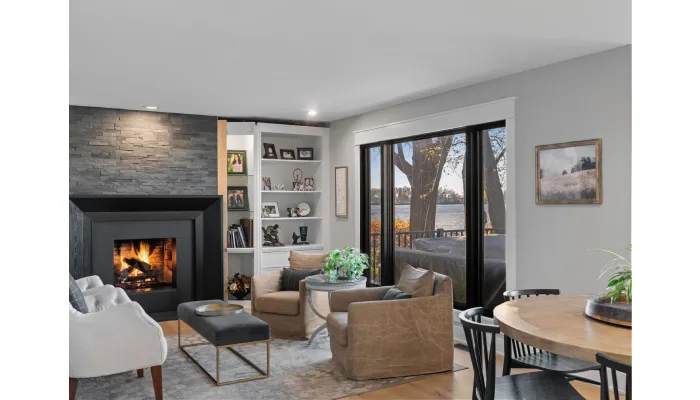
Budgeting for your dream custom home in Florida can be both thrilling and challenging. To start, you need to define a realistic overall budget that encompasses all expenses such as construction costs, land acquisition, site preparation, and even furnishings. It’s wise to allocate a contingency fund of 10% to 20%. Focus on key investment areas: structural components for durability, energy-efficient products that lower utility bills over time, and robust exterior materials designed for Florida’s harsh climate. You might save in certain areas like finishes or landscaping by choosing mid-range options initially. Remember to partner with a reputable builder who aligns with your vision and budget!
1. Define Your Overall Budget for Custom Homes
To successfully budget for your Florida custom home, start by defining a realistic overall budget that encompasses all potential expenses. This includes construction costs, land acquisition, permits, and finishing touches like landscaping and furnishings. It’s essential to set aside a contingency fund of about 10% to 20% to handle unexpected expenses that may arise during the building process. Research local building costs to gain accurate estimates for your area, and make sure to account for future costs, such as maintenance and property taxes, in your budget planning.
Breaking down costs into categories will provide clarity on where your money is going. For example, allocate specific amounts for structural components, energy efficiency upgrades, and key areas like kitchens and bathrooms, which significantly influence your home’s value. Be prepared to adjust your budget based on your priorities and needs. Utilizing a spreadsheet or budgeting app can help you track expenses accurately, making it easier to stay on top of your finances.
Additionally, consult with a financial advisor to ensure your budget is realistic and achievable. If you plan to finance your build, consider potential interest rates as part of your overall budget. Remember to review and revise your budget regularly as the project progresses, ensuring that you remain aligned with your financial goals.
- Include all costs such as construction, land, permits, and finishing touches.
- Set aside a contingency fund of 10% to 20% for unexpected expenses.
- Research local building costs to get accurate estimates for your area.
- Consider future costs like maintenance and property taxes in your budget planning.
- Break down costs into categories to see where your money goes more clearly.
- Adjust your budget based on your priorities and needs.
- Use a spreadsheet or budgeting app to track expenses accurately.
- Consult with a financial advisor to ensure your budget is realistic and achievable.
- Plan for potential interest rates if financing is involved.
- Review and revise your budget regularly as the project progresses.

2. Key Areas to Invest In for Durability
When building a custom home in Florida, investing wisely in durability is crucial for long-term satisfaction. Start with a solid foundation that can handle the unique weather conditions of the state, including heavy rains and hurricanes. The right foundation ensures your home stands strong against the elements.
Next, consider high-quality roofing materials that promise longevity and protection. Florida’s sun and storms can wreak havoc on inferior materials, so opt for durable options that require minimal maintenance. Impact-resistant windows and doors are also a smart choice; they not only enhance safety during storms but can also help with energy efficiency.
Speaking of energy efficiency, investing in energy-efficient appliances and systems is essential. While they may have a higher upfront cost, these components will save you money on utility bills in the long run, making your home more economical.
In high-moisture areas like bathrooms and kitchens, using mold-resistant materials is a must. This helps prevent costly repairs down the line. High-grade insulation can further improve your home’s energy efficiency, ensuring comfort year-round.
Don’t overlook the exterior; durable siding options that require little maintenance will keep your home looking great without constant upkeep. Quality plumbing and electrical systems are also vital, as these are areas where future repairs can become quite expensive if not done right initially.
Finally, choose flooring that can withstand wear and tear, especially in high-traffic areas. This not only protects your investment but enhances the overall aesthetics of your home. Design your home to maximize natural light and ventilation, creating a welcoming living environment that feels bright and airy.
3. Finding Potential Savings in Your Budget
When planning your budget for a custom home in Florida, exploring potential savings can make a significant difference. Start by focusing on essential items first. You can upgrade features later as funds allow, preventing overspending right from the start. For example, consider using mid-range finishes and fixtures initially, then upgrading to more luxurious options as your budget allows.
Material choices can also lead to savings. Look for less expensive materials that mimic high-end options, such as luxury vinyl that resembles hardwood flooring, which gives you the aesthetic without the hefty price tag. Additionally, open floor plans can not only maximize your living space but can also reduce construction costs by minimizing the need for additional walls and rooms.
Don’t forget to negotiate with suppliers; many are willing to provide better prices on materials and services, especially if you are purchasing in bulk. Always keep an eye out for bulk purchase discounts, they can add up quickly!
Avoid over-customization to keep costs in check. Sticking to classic designs can prevent unnecessary expenses that come with unique, elaborate features. If you’re considering landscaping, think about planning it in phases. Start with basic landscaping to enhance curb appeal, and save the more intricate designs for later. Lastly, consider DIY options for non-structural elements, which can save you money while allowing you to personalize your space. Pre-owned or second-hand furnishings can also cut costs significantly, making it easier to stay within your budget.
4. Guidelines for Cost Breakdown
When budgeting for your Florida custom home, breaking down costs into clear categories is essential for success. Start by allocating around 25% of your total budget for land acquisition. This ensures you have a solid foundation for your investment. Next, design expenses should cap at 15% of the overall budget, allowing for creative planning without overspending. The bulk of your budget, typically 30% to 50%, will go towards construction labor costs, which are crucial for bringing your vision to life.
After construction, don’t forget about post-construction costs. Allocate 5% to 15% of your budget for decor, furnishings, and landscaping, as these elements enhance your home’s appeal and comfort. To keep everything on track, compile a detailed list of anticipated expenses to maintain clarity through each phase of the project. Regularly update this breakdown as your project evolves to adapt to any changes.
Identifying potential hidden costs early on can save you from unwelcome surprises later. As you evaluate financing options, consider how they will impact your budget breakdown. Prioritize essential upgrades to maximize your investment in critical areas like kitchens and bathrooms, where quality can significantly influence home value. Finally, remember to keep a reserve fund for any last-minute needs that may arise during the build, ensuring you stay prepared for the unexpected.
5. Calculation of Total Project Costs
Calculating the total project costs for your Florida custom home is crucial for staying within budget. Start with a clear formula: Total Project Cost = Land Cost + Construction Cost + Decor/Furniture/Landscaping Cost. Break down each component to ensure accuracy. For example, if your budget is $1.2 million, you might allocate $300,000 for land and $900,000 for construction costs.
Next, consider all the components involved, including the land purchase, construction materials, labor, and finishing touches. Don’t forget to include local taxes, fees, inspections, and permits, as these can significantly impact your total costs. Create a worksheet where you can input your estimated costs, allowing for easy adjustments as you finalize your choices in materials and design.
Review similar projects to benchmark potential expenses, providing a realistic view of what to expect. Consulting with your builder can also yield a detailed estimate tailored to your plans, helping you make informed decisions. Keep in mind that factors like inflation or market changes can affect costs, so it’s wise to stay updated.
Lastly, as you consider upgrades, think about their resale value to ensure you are making a wise investment. Balancing immediate costs with future returns can guide your choices toward a home that not only meets your needs but also retains its value.
6. Choosing the Right Builder for Your Project
Selecting the right builder for your custom home in Florida is a crucial step that can make or break your project. Start by researching local builders known for their strong reputations and positive reviews. Look online, ask for recommendations, and read through testimonials to gauge their reliability. Once you have a shortlist, request quotes from multiple builders. This allows you to compare prices and services, ensuring you get the best value for your investment.
Don’t hesitate to ask for references and check out previous projects they have completed. This firsthand information will give you insight into their craftsmanship and attention to detail. Evaluate their experience with custom homes that align with your vision; builders who have tackled similar designs will likely understand the nuances of your project.
It’s also essential to discuss timelines upfront. A good builder will be transparent about their schedule and will work to ensure it aligns with your expectations. Look for builders who are upfront about costs and processes; transparency goes a long way in building trust.
Consider builders who offer warranties on their work. This added security can provide peace of mind, knowing that any potential issues will be addressed without extra cost. Before signing any contracts, review them carefully to ensure you understand all terms and conditions. Clear communication from the start is vital to avoid misunderstandings down the line. Lastly, choose builders familiar with local building codes and regulations; this knowledge can save you time and headaches during the construction process.
7. Final Considerations for a Successful Build
When embarking on your custom home journey, keep a flexible mindset. Changes are bound to arise during the build process, and being adaptable will help you navigate unexpected challenges smoothly. Open communication with your builder is crucial; make it a habit to discuss progress, address concerns, and ensure everyone is on the same page. Diligently tracking all expenses is another essential practice; this way, you can stay within your budget and make informed decisions as the project unfolds. Regularly reviewing designs and plans will help you confirm they align with your vision, avoiding costly revisions later on.
As you plan your home, think about your future needs. Designing spaces that can adapt to changes in your lifestyle can save you from expensive alterations down the line. Stay informed about local market trends, as this knowledge can impact your budget and help you make strategic choices. Be prepared for a timeline that may extend beyond initial projections; patience is vital in the home-building process.
Don’t forget to celebrate milestones along the way! Recognizing progress can keep your spirits high and motivate you to see the project through. Create a list of must-have features to prioritize during budget discussions, ensuring your essential desires make it into the final design. Finally, engage with local communities or forums to gather insights and advice from others who have gone through the process; their experiences can provide invaluable guidance.
Resource URL:
https://www.aklarch.com/new-custom-homes
https://en.wikipedia.org/wiki/Housing_in_Florida

Seth Hatfield, a maverick in the realm of writing, seamlessly weaves tales from the world of construction and beyond. With a unique blend of insight and creativity, he invites readers on a journey through his diverse repertoire of articles.