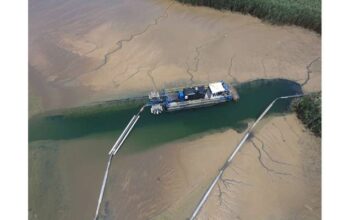
Dredging is essential for maintaining our waterways, harbors, and other aquatic environments. Among the various dredging methods, the diesel dredge stands out as a powerful and versatile solution. But what exactly is one, and why might it be the right choice for your next project?
This guide dives deep into the world of these robust machines. We’ll explore their applications, benefits, maintenance, and how they compare to other dredge types. Whether you’re an experienced dredging contractor or new to the field, this information will help you make informed decisions.
What is a Diesel Dredge?
A diesel dredge is a type of dredging equipment powered by a diesel engine. These engines drive the pumps and mechanical components necessary to excavate and transport sediment from underwater. This equipment is well-known for its robust power and ability to handle demanding dredging tasks.
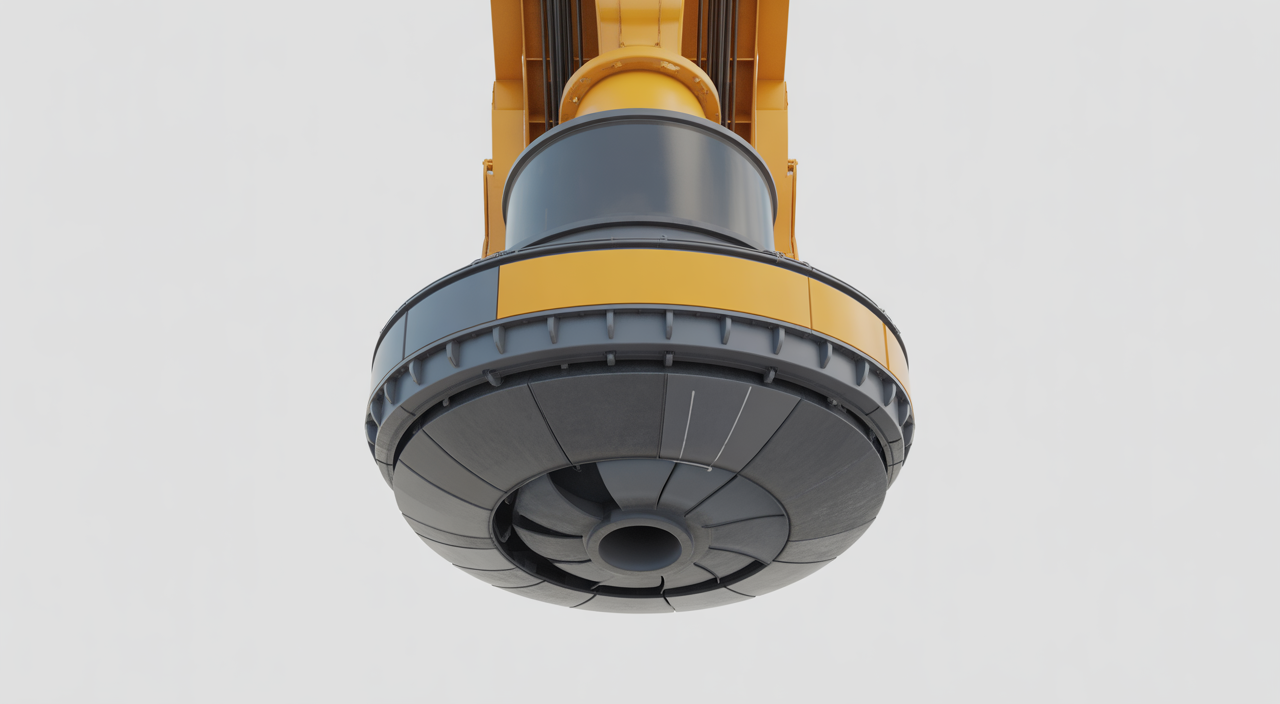
The basic components of this equipment include the engine, pump, cutterhead (or other excavation tool), and a discharge pipeline. The engine provides the power to operate the pump, which creates suction to lift sediment. The cutterhead loosens the material, making it easier to pump. The discharge pipeline then carries the slurry of sediment and water to a designated disposal area.
Exploring Types of Dredging Machines
These machines come in several types, each designed for specific applications:
- Cutter Suction Dredges: These dredges use a rotating cutterhead to loosen material before it’s suctioned up. They’re ideal for removing compacted soil and sediment.
- Auger Dredges: Auger dredges use a rotating screw to move sediment towards the suction inlet. They’re effective in shallow water and confined spaces.
- Jet Dredges: Jet dredges use high-pressure water jets to loosen sediment. They’re suitable for removing loose materials like silt and sand.
- Bucket Dredges: Bucket dredges use a series of buckets to scoop up sediment. They’re often used for removing large volumes of material.
Key Advantages of These Powerful Machines
This dredging equipment offers several advantages over other types of dredging equipment:
- Power and Performance: Diesel engines provide high power output, allowing these dredges to handle tough dredging conditions and large volumes of material.
- Versatility: You can equip these machines with various cutterheads and attachments to adapt to different types of sediment and dredging environments.
- Portability: Many of these units are designed to be easily transported, making them suitable for projects in remote locations.
- Cost-Effectiveness: While the initial investment might be higher, the robust performance and durability of this equipment can lead to lower operating costs over the long term.
Common Dredge Applications
These versatile machines are used in a wide range of applications, including:
- Environmental Remediation: Removing contaminated sediment from rivers, lakes, and harbors.
- Mining and Aggregate Extraction: Extracting sand, gravel, and other minerals from underwater deposits.
- Inland Waterway Maintenance: Maintaining navigable channels by removing accumulated sediment.
- Coastal Restoration: Replenishing eroded beaches and creating new habitats.
- Lake and Pond Management: Removing excess sediment and algae to improve water quality and recreational opportunities.
Diesel vs. Electric Dredging Solutions: A Detailed Comparison
While diesel-powered dredges are powerful and versatile, electric dredges offer a more environmentally friendly alternative. Here’s how they compare:
These dredging solutions provide significant power but have higher fuel and maintenance costs. Electric dredges, on the other hand, are quieter and produce zero emissions, but they may have lower power output and require a reliable power source.
Choosing between a diesel and electric dredge depends on your specific project requirements and environmental considerations. To learn more about dredge applications, consider your project’s specific goals.
Maintaining Your Dredging Equipment: Best Practices
Proper maintenance is crucial for ensuring the longevity and performance of your dredging equipment. We can’t stress this enough! Here are some key practices:
- Regular Inspections: Conduct routine inspections of the engine, pump, cutterhead, and other components. Don’t skip these!
- Fluid Management: Maintain proper fluid levels and change fluids according to the manufacturer’s recommendations.
- Component Replacement: Replace worn or damaged components promptly to prevent further damage and costly downtime.
- Troubleshooting Common Issues: Learn how to identify and troubleshoot common issues yourself to minimize delays.
Addressing Environmental Concerns
While this equipment offers numerous benefits, it’s important to address its environmental impact. Here are some measures you can take to minimize pollution:
- Use low-sulfur diesel fuel.
- Implement sediment control measures to prevent turbidity.
- Properly dispose of waste materials.
Choosing the Right Dredging Solution
Selecting the right dredging equipment for your project requires careful consideration of several factors:
- Project Requirements: Consider the type and volume of sediment to be removed, the water depth, and the distance to the disposal area.
- Budget: Factor in the initial cost of the dredge, as well as ongoing operating and maintenance costs.
- Environmental Regulations: Ensure that the dredge meets all applicable environmental regulations in your area.
Frequently Asked Questions
- What is the typical lifespan of a diesel dredge?
- How often should I service this dredging equipment?
The lifespan of a dredging machine can vary depending on usage and maintenance, but with proper care, a well-maintained unit can last for many years.
Regular servicing, including oil changes, filter replacements, and inspections, should be performed according to the manufacturer’s recommendations, typically every 250 to 500 hours of operation.
Conclusion
These powerful machines are versatile tools for a wide range of dredging applications. By understanding their types, benefits, maintenance requirements, and environmental impact, you’ll be well-equipped to make informed decisions about their use in your projects.

Seth Hatfield, a maverick in the realm of writing, seamlessly weaves tales from the world of construction and beyond. With a unique blend of insight and creativity, he invites readers on a journey through his diverse repertoire of articles.