
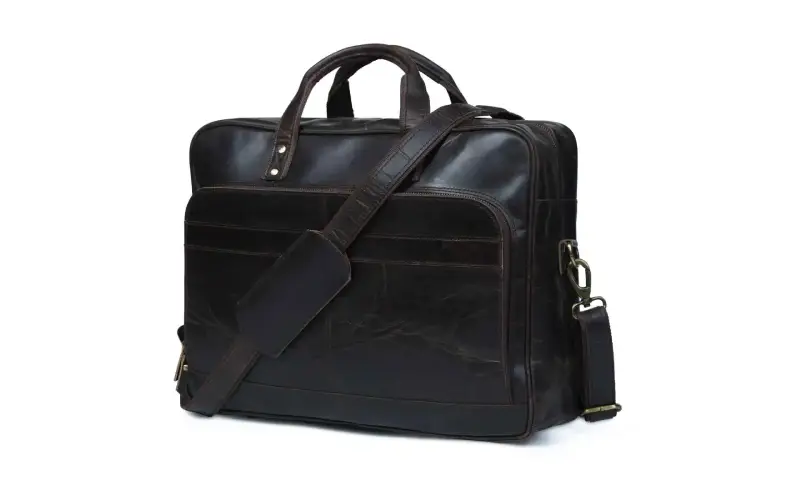
Cleaning a vintage leather messenger bag without causing damage starts with knowing what material you’re dealing with, whether it’s leather or canvas. Always empty the bag first and gently brush off any dust. When cleaning leather, use a mild soap solution and a soft cloth, never soak it or use harsh chemicals. For canvas, hand washing with mild detergent works best, treating stains carefully. Hardware like buckles should be wiped softly to avoid scratches. Let everything dry naturally away from heat or sunlight to prevent cracking or fading. Regular conditioning of leather keeps it supple, and good storage habits help maintain its shape and look over time.
Identify the Material of Your Vintage Leather Messenger Bag
Before cleaning your vintage leather messenger bag, it’s crucial to identify the materials it’s made from. Start by checking any labels or manufacturer details, which often provide clues about the fabric or leather types used. Common leather varieties include full-grain, top-grain, aniline, and pigmented leather. Each has its own characteristics: full-grain leather is tough and durable but requires gentle care to avoid damage, while aniline leather is more porous and absorbs stains easily, calling for milder cleaning methods. Pigmented leather has a protective coating, meaning it can handle slightly more robust cleaning without harm. Some bags also feature synthetic leather parts, which can tolerate different cleaning techniques compared to genuine leather. Additionally, many vintage messenger bags combine leather with canvas or other fabrics. Canvas usually cleans well with mild detergents, but harsh scrubbing should be avoided to prevent wear. When your bag consists of mixed materials, it’s important to treat each section according to its specific needs rather than applying a one-size-fits-all cleaning approach. Recognizing these materials upfront helps you select the safest and most effective cleaning methods, reducing the risk of accidental damage and preserving your bag’s vintage charm.

Get Your Bag Ready for Cleaning
Start by emptying your vintage leather messenger bag completely, including all pockets and compartments. This ensures you don’t accidentally damage any contents or miss hidden dirt. Next, gently shake the bag to loosen and remove any loose dirt or debris. Use a soft brush or a microfiber cloth to carefully wipe off surface dust, paying close attention to seams, folds, and crevices where dirt can get trapped. Before proceeding with any cleaning, close all zippers and fasten buckles to protect these parts from unnecessary wear or bending. Take a moment to spot any small stains or spots that might need special treatment later on. Always test your cleaning solution on a hidden area first to check for colorfastness and avoid surprises like discoloration. It’s important not to soak your bag or use excessive liquids during preparation, as soaking can weaken materials, especially leather. Set up a clean workspace by laying down soft towels to protect your bag and keep it stable while you work. Finally, gather all your cleaning supplies beforehand so you can clean without interruption or rushing. Taking these steps carefully prepares your vintage messenger bag for a safe and effective cleaning session.
- Empty all contents, including pockets and compartments.
- Shake the bag gently to remove loose dirt and debris.
- Use a soft brush or microfiber cloth to wipe off surface dust.
- Check seams and folds for trapped dirt or debris.
- Close zippers and fasten buckles to avoid damage during cleaning.
- Identify small stains or spots that need special attention.
- Test cleaning solutions on a hidden area to check for colorfastness.
- Avoid soaking the bag or using excessive liquids during preparation.
- Prepare a clean workspace with soft towels to lay the bag on.
- Gather all cleaning supplies beforehand to avoid interruptions.
How to Clean Leather Parts Safely?
Start by mixing a few drops of mild soap or a leather cleaner with warm water. Lightly dampen a soft cloth with this solution, avoid soaking the leather, as too much moisture can cause damage. Gently wipe the leather in small circular motions to lift dirt without scrubbing hard, which can harm the surface. Stay away from harsh chemicals, bleach, or alcohol-based cleaners, as they can strip the leather’s natural oils and cause discoloration. For oil stains, sprinkle a little baking soda to absorb the oil before gently wiping it away. Ink stains need extra care: lightly blot the spot with rubbing alcohol on a cloth, but do not rub aggressively. If you notice watermarks, let the leather dry naturally at room temperature and avoid applying heat, which can dry out and crack the material. After cleaning, let the leather air dry away from direct sunlight or heat sources. If the dirt doesn’t come off the first time, it’s okay to repeat the process gently, but do not overdo it to prevent weakening the leather. Following these steps helps maintain the integrity and appearance of your vintage bag’s leather components without causing damage.
Tips for Treating Leather Stains
When dealing with stains on your vintage leather messenger bag’s leather, acting quickly is key to better removal. For oil stains, sprinkle baking soda or cornstarch directly on the spot to absorb the grease, then gently wipe it away without rubbing. Ink stains require a delicate touch, use a cotton swab dipped in rubbing alcohol and blot the area carefully to avoid spreading the ink further. Water stains should be left to dry naturally; never use heat or press down on the leather, as this can cause more damage. If you notice mold or mildew, lightly wipe the affected area with a mixture of vinegar and water, then ensure the leather dries completely to prevent recurrence. Avoid colored or scented soaps, since they might leave permanent marks on the leather. Using cotton swabs helps target small stains precisely without affecting surrounding areas. Always test any cleaning solution on a hidden spot first to check for color changes or damage. When removing stains, pat the area dry with a clean cloth rather than rubbing, which can push the stain deeper or scratch the surface. If stubborn stains resist gentle home treatment, it’s best to seek professional cleaning to protect the bag’s vintage quality.
How to Condition Leather Properly
Before conditioning your vintage leather messenger bag, make sure the leather is completely dry to avoid trapping moisture that can cause damage. Select a high-quality leather conditioner designed for your specific type of leather, whether it’s full-grain, top-grain, or another variety. Using a clean microfiber cloth, apply the conditioner evenly across the leather surface. Work the product in using gentle circular motions to help it absorb deeply. Be careful not to over-condition; doing this every three to six months is usually sufficient depending on how often you use the bag. Avoid getting conditioner on any hardware or fabric parts, as it can cause discoloration or damage. After application, allow the conditioner to soak in fully before using or storing the bag. If you notice any excess product on the surface, wipe it off to prevent a sticky residue. Regular conditioning replenishes the leather’s natural oils, keeping it supple, preventing cracks and stiffness, and maintaining its overall look and feel over time.
Cleaning Canvas and Fabric Sections
Start by gently brushing off any loose dirt or dried mud from the canvas or fabric parts of your vintage leather messenger bag using a soft brush. For most stains, prepare a mild detergent mixed with warm water and apply it carefully with a soft cloth, avoiding soaking the material. Ink stains need special care: blot them gently with rubbing alcohol or a mild detergent solution rather than scrubbing to prevent spreading the stain. If you find oil stains, sprinkle baking soda or cornstarch on the affected area first to absorb the oil, then clean it with your detergent mixture. Food or beverage stains can be treated effectively by blotting with a diluted vinegar and water solution. When dealing with mold or mildew, use equal parts vinegar and water, scrub gently, and then dry the bag thoroughly in sunlight to prevent regrowth. Avoid machine washing at all costs, as it can weaken or distort vintage fabrics. After cleaning, rinse the canvas lightly with clean water to remove detergent residue, then let it dry completely before using or storing the bag. Always remember to perform a patch test on a small, hidden area before applying any cleaning solution to the entire fabric section to ensure it won’t cause discoloration or damage.
Remove Tarnish from Metal Hardware
When caring for the metal hardware on your vintage leather messenger bag, start by wiping off surface dirt with a soft cloth dampened in mild soapy water. Avoid abrasive cleaners or scrubbing pads, as they can easily scratch and damage the metal finish. If tarnish persists after this gentle cleaning, use a metal polish that matches the type of metal, whether brass, nickel, or another alloy. Apply the polish sparingly and buff the hardware gently with a soft cloth to restore its shine without risking damage. It’s important to clean hardware separately from the leather and fabric parts to prevent accidental contact between metal polish and sensitive materials, which can cause discoloration or harm. After cleaning, thoroughly dry all metal components to prevent rust, and check zippers, buckles, and other moving parts to ensure they operate smoothly. To keep your hardware looking its best, protect it from moisture and perform light cleanings regularly to prevent tarnish buildup and maintain that vintage charm.
Best Ways to Dry and Store Your Bag
After cleaning your vintage leather messenger bag, always dry it naturally in a well-ventilated area away from direct sunlight or heat sources like radiators and hair dryers, which can cause the materials to shrink or crack. For canvas parts, lay them flat on a clean towel or hang the bag by its straps to help the bag keep its shape. Make sure the bag is completely dry before storing it, as any lingering moisture can lead to mold or mildew growth. When storing, avoid plastic bags since they trap moisture; instead, use a breathable dust bag or a pillowcase to allow proper air circulation. To maintain the bag’s form, gently fill it with acid-free tissue paper. While hanging the bag briefly by the straps is fine, avoid doing this for long periods to prevent the straps from stretching out. Store your bag in a cool, dry spot with good airflow and check on it periodically for any signs of damage or moisture. Rotating between usage and storage can also help keep your bag in good condition over time.
Simple Maintenance Habits to Follow
Keeping your vintage leather messenger bag in good shape starts with simple habits. Clean it regularly, about once a month, to stop dirt from settling in and causing long-term damage. Avoid overloading the bag since extra weight can stretch straps and distort its shape. Use a leather protectant spray on leather parts to guard against stains and water damage. Inside, keep sharp objects in separate pouches to prevent scratches and tears. If you spill something, wipe it up right away to avoid permanent stains. Stay away from prolonged contact with water, oils, or harsh chemicals, as these can weaken or discolor materials. Check metal hardware like buckles and zippers often, cleaning them gently to keep them working smoothly. Leather benefits from conditioning every few months to stay soft and prevent cracking. Finally, inspect straps and stitching regularly; catching small issues early can stop bigger problems down the line. When not in use, store your bag properly, in a breathable bag with tissue paper inside to hold its shape, and avoid hanging it for long periods to protect the straps.
Avoid These Common Cleaning Mistakes
When cleaning a vintage leather messenger bag, certain mistakes can cause permanent damage. One of the biggest errors is using too much water or soaking leather parts. Leather is porous and excessive moisture can lead to warping, staining, or weakening of the material. Similarly, avoid alcohol-based or harsh chemical cleaners on leather, as they strip away natural oils and cause drying or cracking. Never dry your bag with direct heat or in sunlight; these can fade colors and dry out materials. Skipping leather conditioning after cleaning is another common mistake that leaves the leather brittle and prone to damage. Overloading the bag is often overlooked but leads to deformation and stress on seams and straps. Small stains might seem harmless but ignoring them allows them to set and become nearly impossible to remove later. For canvas sections, machine washing should be avoided since it can wear down vintage fabrics and cause shrinking. Using abrasive scrubbers on any part of the bag can scratch leather and damage fabric fibers, so always use soft cloths or brushes. Colored detergents or soaps may leave unwanted stains or residues, so stick to mild, colorless cleaners. Finally, storing your bag in plastic bags traps moisture, creating an environment for mold and mildew, opt for breathable storage options to keep your bag in good shape.
When to Consult a Professional Cleaner?
If your vintage leather messenger bag has deep stains that just won’t come out with gentle home cleaning, it’s usually time to call in a pro. Bags showing structural damage like loose stitching, torn lining, or broken hardware also need expert attention to avoid making things worse. For high-value or rare vintage pieces, improper cleaning can seriously reduce their worth or cause damage that can’t be fixed, so professional care is a safer bet. Unusual or delicate materials, such as exotic leathers, often require specialized knowledge and products that professionals have. If mold or mildew has spread extensively and simple vinegar treatments don’t work, a cleaner with experience in mold removal is your best option. Also, if you’re unsure about the bag’s material or what cleaning method is safe, it’s wise to get a professional’s opinion rather than risk harm. Leather that’s cracked or very dry usually needs expert restoration to bring it back without causing further damage. Mixed-material bags can be tricky since different sections call for different solvents or conditioners, so professional cleaning ensures everything is treated properly. When the bag holds sentimental or collector’s value, preserving its condition through expert care is often worth the cost. Lastly, if you want a thorough assessment of your bag’s condition and advice on ongoing maintenance, professional cleaners can provide valuable guidance beyond just cleaning.
Frequently Asked Questions
1. What cleaning methods are safest for removing dirt from a vintage messenger bag?
The safest methods usually involve gentle spot cleaning with a soft cloth or sponge and mild soap mixed with water. Avoid soaking the bag or using harsh chemicals, as these can harm the materials or fade colors.
2. Can I use water directly on the leather parts of my vintage messenger bag?
It’s best to avoid using too much water on leather. Lightly dampen a cloth and gently wipe the leather areas. Using excessive water can cause the leather to dry out, warp, or develop stains.
3. How should I treat tough stains on different materials of a vintage leather messenger bag?
For tough stains, identify the bag’s material first. For fabric, try a gentle fabric cleaner or diluted mild detergent applied carefully. For leather, use a leather-specific cleaner or conditioner. Always test on a small hidden area before treating the stain fully.
4. Is it safe to use commercial leather conditioners on vintage leather messenger bags?
Generally yes, but choose conditioners made specifically for vintage or delicate leather. Harsh or cheap conditioners might contain chemicals that could damage or darken the leather. Always do a patch test first.
5. How can I dry my vintage leather messenger bag without damaging it after cleaning?
Air drying at room temperature is best. Avoid direct sunlight, heaters, or hair dryers, as heat can cause cracking or fading. Stuff the bag with paper towels to maintain its shape during drying.
TL;DR To clean a vintage leather messenger bag without damage, first identify its material to choose the right method. Gently remove dust before cleaning leather with mild soap and water, treat stains carefully, and always condition leather afterward. For canvas or fabric parts, use gentle hand washing and natural stain removers. Clean metal hardware with mild solutions and avoid abrasives. Dry the bag naturally away from heat, store it properly in breathable bags with tissue paper, and maintain regular care to keep its shape and look. Avoid over-wetting, harsh chemicals, and direct heat. When in doubt or facing tough stains, consult a professional to preserve your bag’s vintage quality.

Seth Hatfield, a maverick in the realm of writing, seamlessly weaves tales from the world of construction and beyond. With a unique blend of insight and creativity, he invites readers on a journey through his diverse repertoire of articles.