

Miniature LED lights have become an essential component in modern lighting, offering energy efficiency, long lifespan, and versatility. Whether you are upgrading electronics, decorating a space, or working on a DIY project, selecting the right miniature LED lights can make all the difference. This guide will walk you through key factors to consider, common types, and practical tips to ensure you make the best choice.
Why Miniature LED Lights Are Popular?
Miniature LED lights provide several advantages over traditional lighting solutions. They consume less energy, generate minimal heat, and have a much longer lifespan. Their compact size makes them ideal for tight spaces or intricate designs. Additionally, they are highly durable, with resistance to vibrations and shocks, which makes them suitable for both professional and hobbyist applications.
Because of these benefits, miniature LED lights are widely used in electronics, automotive lighting, decorative lighting, and specialized industrial projects. Choosing the right type, however, requires careful attention to specifications, color, and installation requirements.
Key Factors to Consider
1. Brightness
Brightness is measured in lumens, and it determines how much light an LED produces. Miniature LED lights can range from very dim to surprisingly bright despite their small size. When selecting lights, consider the intended application. For accent lighting or indicators, low-lumen LEDs are sufficient. For task lighting or display purposes, higher-lumen LEDs are necessary.
2. Color and Color Temperature
Miniature LED lights are available in a variety of colors, including red, green, blue, amber, and white. White LEDs are further categorized by color temperature, ranging from warm white (2700–3000K) to cool white (5000–6500K). The right color can enhance aesthetics or meet functional needs. For example, warm white creates a cozy atmosphere, while cool white improves visibility and focus.
3. Voltage and Current Requirements
LEDs require a specific voltage and current to operate efficiently. Miniature LED lights often run on low voltage, such as 3V, 5V, or 12V, making them compatible with small circuits and battery-powered devices. Exceeding the recommended voltage can damage the LED, while insufficient power may reduce brightness. Always check the manufacturer’s specifications before purchase.
4. Viewing Angle
The viewing angle defines how the light spreads from the LED. Narrow-angle LEDs focus light on a small area, making them ideal for highlighting specific objects or details. Wide-angle LEDs disperse light over a broader area, suitable for ambient lighting or general illumination. Selecting the proper angle ensures your lighting project achieves the desired effect.
5. Mounting Style
Miniature LED lights come in several mounting styles, including through-hole, surface-mount (SMD), and panel-mount. Through-hole LEDs are easy to install in breadboards or circuits. SMD LEDs are compact and suited for PCB designs. Panel-mount LEDs are often used for indicators on control panels or instruments. Choosing the correct mounting style depends on your project design and installation method.
6. Lifespan and Durability
A significant advantage of miniature LED lights is their long lifespan, which can reach 50,000 hours or more. However, factors like heat, voltage fluctuations, and quality of materials can affect longevity. Investing in high-quality LEDs ensures consistent performance and reduces the need for frequent replacements.
7. Efficiency and Heat Management
Although LEDs generate less heat than incandescent bulbs, miniature LEDs in confined spaces can overheat. Some models include heat sinks or other cooling solutions. Efficient LED selection not only saves energy but also protects surrounding components in sensitive electronic projects.
Types of Miniature LED Lights
Understanding the types of miniature LED lights can help narrow down your options:
- Standard LEDs: Basic, small bulbs suitable for indicators, signs, or simple electronics. They are cost-effective and available in multiple colors.
- SMD LEDs: Extremely compact and surface-mountable. Ideal for densely packed circuit boards and flexible applications.
- RGB LEDs: Can produce multiple colors in one unit, controlled via circuitry. Perfect for decorative projects or dynamic lighting effects.
- High-Power LEDs: Provide high brightness in a small form factor. Often used in professional lighting, displays, and flashlights.
- Bi-color and Tri-color LEDs: Combine two or three colors in one LED, allowing versatile signaling and indication.
Applications of Miniature LED Lights
Miniature LED lights are highly versatile. Here are some common applications:
- Electronics Projects: Provide visual indicators in circuits, microcontroller projects, and DIY electronics.
- Automotive Lighting: Used in dashboards, interior lighting, and accent lighting.
- Home Decor: Create accent lighting in cabinets, under shelves, or around mirrors.
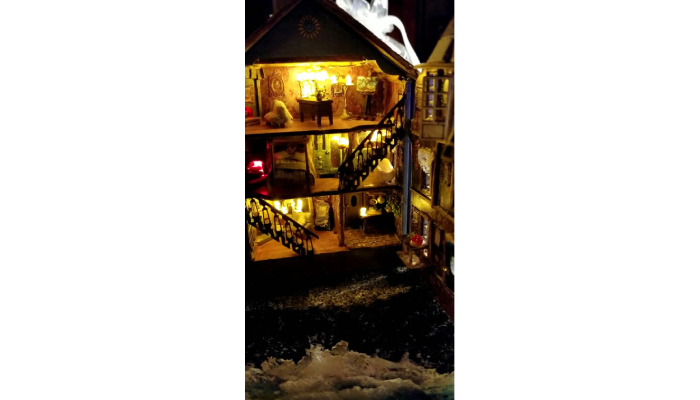
- Modeling and Miniatures: Add realistic lighting effects to scale models, dollhouses, and architectural designs.
- Industrial Equipment: Indicate machine status, warning signals, or operation modes.
Tips for Choosing the Right Miniature LED Lights
- Check Specifications Carefully: Always verify voltage, current, and polarity requirements. Using an LED outside its recommended range can lead to failure.
- Match Brightness to Application: Avoid overly bright LEDs for decorative use or dim LEDs for task lighting.
- Consider Environmental Conditions: If used outdoors or in high-vibration environments, select LEDs with durable, waterproof, or shock-resistant designs.
- Plan for Installation: Ensure the chosen mounting style matches your project needs. Consider soldering, clip mounts, or plug-and-play options.
- Test Before Final Installation: If possible, test LEDs on a breadboard or prototype to ensure proper function and color.
- Think About Aesthetic Effects: For decorative or display projects, factor in color, diffusion, and viewing angle to achieve the desired look.
Conclusion
Choosing the right miniature LED lights requires attention to brightness, color, voltage, mounting style, and durability. By understanding these factors and the types of LEDs available, you can select lights that not only meet functional requirements but also enhance aesthetics and efficiency. Whether for electronics, automotive applications, home décor, or industrial use, the right miniature LED lights ensure reliable performance, long lifespan, and optimal lighting results.

Seth Hatfield, a maverick in the realm of writing, seamlessly weaves tales from the world of construction and beyond. With a unique blend of insight and creativity, he invites readers on a journey through his diverse repertoire of articles.