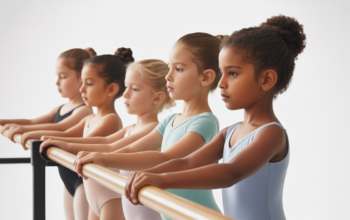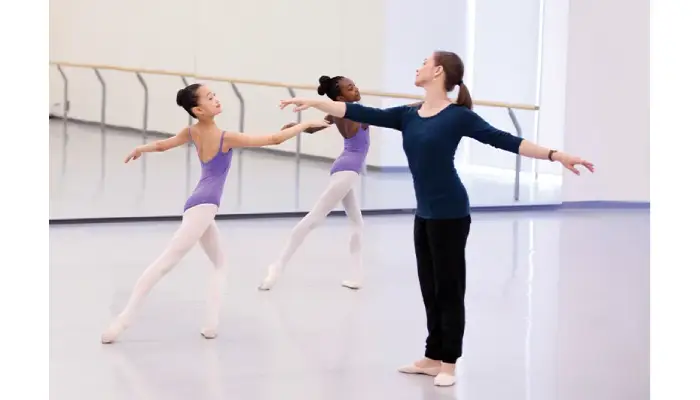
Adaptive Dance Classes in Toronto are becoming increasingly popular due to their focus on inclusivity and accessibility. These classes aim to welcome individuals of all abilities, especially those with cognitive, physical, or developmental challenges. The benefits extend beyond just movement; studies show that participants see improvements in motor skills and cognitive abilities. Additionally, adaptive dance fosters emotional growth by creating a sense of community where friendships can form. Led by trained professionals who use supportive techniques for various learning styles, these classes also encourage self-expression and creativity while promoting a healthier lifestyle. Families appreciate the positive impact on their loved ones’ independence as barriers dissolve through shared experiences in dance.
1. Inclusivity and Accessibility in Dance
Adaptive dance classes in Toronto are designed to welcome individuals from all walks of life, particularly those with disabilities. These classes create a welcoming environment where everyone can participate and express themselves through movement, regardless of their physical or cognitive abilities. To enhance movement opportunities, specialized equipment is often provided, ensuring that all participants can engage fully. Accessibility is a priority, with features like wheelchair-friendly spaces and sensory-friendly environments incorporated into the design of the classes.
Instructors are trained to modify dance techniques to meet the diverse skill levels of participants, making it easier for everyone to join in. Whether it’s ballet, hip-hop, or other styles, participants can explore various forms of dance that resonate with them personally. A peer mentor system is often in place, fostering collaboration and friendship among participants, which reduces feelings of isolation and builds a supportive community.
Family members are encouraged to take part, promoting shared experiences that deepen understanding and connection. Community outreach programs help raise awareness about the benefits of adaptive dance, ensuring that more individuals know about these opportunities. Feedback from participants is actively sought, which allows these programs to continually improve their accessibility and inclusiveness, making adaptive dance a vital part of Toronto’s artistic landscape.
- Adaptive dance classes in Toronto welcome participants from all backgrounds, including those with disabilities.
- These classes often provide specially designed equipment to enhance movement opportunities for everyone.
- Accessibility features may include wheelchair-friendly spaces and sensory-friendly environments.
- Teachers are trained to modify dance techniques for different skill levels, ensuring everyone can join in.
- Participants can express themselves through various dance styles, from ballet to hip-hop, tailored to their preferences.
- Support is given by peer mentors, creating a buddy system that encourages collaboration and camaraderie.
- Adaptive dance fosters a sense of belonging, reducing feelings of isolation among participants.
- Classes often include family members, promoting shared experiences and understanding.
- Community outreach programs help to spread awareness about the benefits of dance for all abilities.
- Feedback from participants is actively sought to continually improve accessibility and inclusiveness.
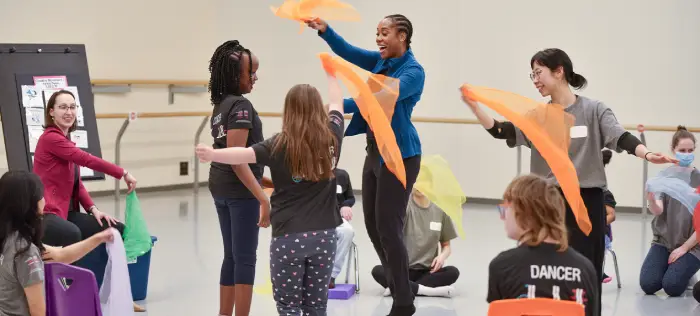
2. Physical and Cognitive Benefits of Dance
Engaging in adaptive dance classes offers numerous physical and cognitive benefits that contribute to overall well-being. For starters, these classes enhance motor skills, leading to improved coordination and agility over time. As participants regularly take part in dance, they experience increased strength and flexibility, which are crucial for better physical health. Adaptive dance often incorporates fitness elements, such as balance exercises and aerobic movements, making it a holistic approach to exercise.
Cognitively, dance is equally beneficial. Learning new routines can improve attention spans and memory retention, as participants focus on choreography and rhythm. The rhythmic nature of dance helps develop timing and spatial awareness, enriching cognitive function. Furthermore, dance stimulates brain activity, promoting neural connections that are vital for cognitive growth.
Participants often report feeling happier and less anxious after classes, thanks to the physical activity involved. Increased blood circulation from movement supports overall cardiovascular health. Notably, engaging in dance can also lead to a lower risk of chronic illnesses, making it a fun way to promote lifelong health habits.
3. Social and Emotional Growth Through Movement
Dancing with others in adaptive dance classes fosters essential social skills, allowing participants to learn effective communication and interaction. This shared experience creates a strong foundation for friendships and support networks among dancers, helping to combat feelings of isolation. Moreover, adaptive dance encourages emotional expression, enabling individuals to convey their feelings through movement, which can be particularly therapeutic.
The classes often incorporate team-building activities that enhance collaboration and trust, crucial elements for personal development. As participants learn new dance moves, they encounter challenges that build resilience, showcasing their ability to persevere. This supportive environment is particularly beneficial for those who experience social anxiety, as it helps ease their fears in group settings.
Regular participation in these classes leads to a sense of achievement, significantly boosting self-esteem and confidence. Dance serves not only as a form of artistic expression but also as a means for individuals to process their emotions and experiences. The inclusive atmosphere of adaptive dance promotes acceptance and understanding among diverse groups, enriching the social fabric of the community. Celebrating achievements in dance allows participants to recognize their personal growth, motivating them to continue their journey in dance.
4. Nurturing Creativity and Self-Expression
Adaptive dance classes create a unique space for individuals to explore their own movement styles without the fear of judgment. Participants are encouraged to embrace improvisation, which allows for spontaneous creativity and personal interpretation. In these classes, teachers often invite participants to contribute to choreography, fostering a sense of ownership over their dance journey. The diverse music selection caters to various tastes, enabling personal expression through different genres, from classical to contemporary.
The environment is intentionally designed to be pressure-free, allowing everyone to move in ways that feel authentic to them. Artistic elements are also integrated, encouraging participants to express emotions through both movement and visual arts. Showcases and performances provide these dancers a platform to share their creativity with the community, celebrating their uniqueness. Feedback on individual creativity is encouraged, helping participants refine their skills and ideas.
Engaging in creative movement not only enhances artistic expression but can also lead to innovative problem-solving skills outside of dance. Participants often draw inspiration from each other’s creativity, leading to collaborative projects and partnerships that further enrich their experience.
5. Supportive Learning Environments for All
Adaptive dance classes in Toronto create supportive learning environments that prioritize individual needs and foster growth. These classes typically feature small group sizes, allowing instructors to provide personalized attention to each participant. Teachers are trained in adaptive techniques, enabling them to address a wide range of abilities effectively. To accommodate different learning styles, visual and auditory cues are employed, ensuring that instructions are clear and accessible for everyone. A positive reinforcement approach is central to the experience, celebrating progress and milestones to motivate participants and build their confidence.
Peer support plays a vital role in these classes, encouraging learners to uplift one another and cultivate a sense of community. Regular assessments help tailor the class content to meet the evolving needs of participants, making the learning experience dynamic and responsive. The flexible structure of these classes allows for adjustments based on participant feedback and comfort levels, ensuring that everyone feels included.
Instructors often collaborate with therapists, integrating therapeutic strategies into dance education to enhance the overall experience. Above all, the focus on fun and enjoyment reduces performance pressure, allowing participants to engage wholeheartedly in the joy of movement. Reflection time is also included, giving participants the opportunity to express their feelings about their experiences, further enriching the supportive atmosphere.
6. Community Engagement and Outreach Initiatives
Adaptive dance programs in Toronto actively engage with local organizations to enhance their reach and impact. By partnering with community groups, they create events that raise awareness about the significance of inclusivity in the arts. Workshops held in schools and community centers introduce adaptive dance to a broader audience, making it accessible to those who may not be familiar with it. Collaborative performances featuring local artists not only showcase the talents of adaptive dancers but also promote a message of inclusivity. Outreach initiatives, such as free classes and open houses, invite new participants to join, fostering a welcoming environment. Local festivals often include adaptive dance showcases, which provide much-needed visibility and recognition for participants. Furthermore, engaging parents and caregivers in these activities helps build support networks for families. The programs also seek feedback from the community to better address specific needs, ensuring they evolve in response to the voices they serve. By partnering with health organizations, adaptive dance promotes the physical and mental health benefits of dance to diverse populations. This community engagement cultivates a sense of pride and belonging among participants, deepening their connection to the local culture.
7. Positive Impact on Families and Relationships
Adaptive dance classes in Toronto create a wonderful opportunity for families to bond through shared experiences. Parents often notice a marked increase in their children’s happiness as they thrive in a supportive environment tailored to their needs. These classes act as a safe space, allowing families to connect with others who face similar challenges, fostering a sense of community. Witnessing their children’s achievements firsthand brings parents immense pride and joy, reinforcing family ties. Furthermore, family involvement in dance encourages open communication and teamwork, which can significantly enhance relationships. Parents also gain valuable strategies to support their children’s growth through movement, positively impacting the family dynamic. Events and performances provide a platform for families to celebrate their loved ones’ progress together, creating cherished memories. Additionally, support groups may naturally form among parents, offering a network of shared experiences and resources. Engaging in dance as a family not only promotes a culture of active living and wellness but also helps reduce stress, contributing to a more harmonious home environment.
8. Diverse Program Offerings for Everyone
Adaptive dance classes in Toronto are designed to cater to a wide array of participants, making them truly inclusive. Classes are available for various age groups, starting from toddlers and extending to seniors, allowing individuals across the lifespan to engage in dance. With programs that feature different styles, participants can explore their interests, whether they are drawn to ballet, hip-hop, or cultural dance forms. For those with sensory sensitivities, sensory-friendly classes have been developed to enhance comfort and participation, ensuring everyone feels welcome.
The offerings frequently include themed classes that celebrate cultural dance, promoting diversity and awareness among participants. Advanced classes are available for those looking to refine their skills, while beginner classes provide a warm introduction to dance. Additionally, many programs adapt to seasonal changes and community events, which keeps the content fresh and engaging. Special workshops featuring guest instructors introduce new techniques and perspectives, further enriching the experience. Collaborative classes enable interaction among mixed-ability groups, fostering community and connection. Family classes are also a highlight, allowing caregivers and loved ones to participate, which strengthens bonds through shared experiences. Importantly, feedback from participants plays a crucial role in shaping new classes and offerings, ensuring that the programs continue to meet the evolving needs of the community.
9. Promoting a Healthy Lifestyle Through Dance
Dance classes encourage regular physical activity, which is vital for maintaining overall fitness and health. The enjoyable nature of dance keeps participants motivated, making it easier to stick to a healthy routine. Many classes incorporate warm-up and cool-down exercises, highlighting the importance of taking care of the body. Some programs even offer nutrition workshops alongside dance, promoting a holistic approach to well-being.
As participants engage in dance, they often experience improved posture and body awareness, which can positively impact daily activities. They also learn about the significance of staying hydrated and getting adequate rest as part of their dance practice. In addition, community challenges or events may be organized to inspire participants to set fitness goals together, fostering a sense of camaraderie.
Beyond physical benefits, dance plays a crucial role in enhancing mental health, helping to reduce symptoms of anxiety and depression through the power of movement and expression. Social connections formed in these classes can lead to greater accountability for maintaining a healthy lifestyle, as participants encourage one another. Long-term involvement in dance can ignite a lifelong passion for physical activity, paving the way for sustained health benefits.
10. Breaking Down Barriers in Dance Participation
Adaptive dance classes in Toronto are not just about movement; they are about challenging stereotypes associated with disabilities. These classes showcase the incredible capabilities of all participants, helping to foster a more inclusive view of dance as an art form. By creating welcoming spaces for individuals from varied backgrounds and abilities, these programs are breaking down barriers that have long existed in the world of dance. Community awareness campaigns play a vital role in educating the public about adaptive dance, highlighting its numerous benefits. Success stories from participants inspire others to embrace dance, regardless of their ability, demonstrating that everyone has something valuable to contribute. Collaborating with disability advocacy groups ensures that these programs address the needs of diverse populations, making adaptive dance accessible to all. Financial accessibility is also a priority, with many classes designed to remove economic barriers, allowing more individuals to participate. Engaging in dance fosters empowerment, encouraging individuals to advocate for themselves and their needs. The visibility of adaptive dancers in performances normalizes the presence of diverse abilities in the arts, further promoting acceptance and understanding within the community. Educational resources provided to dance studios are essential in encouraging inclusive practices, helping to transform perceptions of disability and fostering a culture of acceptance.
Frequently Asked Questions
What are adaptive dance classes?
Adaptive dance classes are specially designed dance classes for people with different abilities. They focus on inclusive movements, allowing everyone to express themselves through dance.
Who can join adaptive dance classes in Toronto?
People of all ages and abilities can join these classes, including those with physical or intellectual disabilities. The aim is to create a welcoming environment for everyone.
What types of dance styles are taught in these classes?
Adaptive dance classes in Toronto cover various styles, such as ballet, jazz, hip-hop, and contemporary dance. The styles may vary based on the program and instructors.
How do these classes help participants?
These classes help participants improve coordination, boost confidence, and promote social interaction. They encourage creativity and provide a sense of community among dancers.
Are there experienced instructors leading these classes?
Yes, adaptive dance classes are often led by experienced instructors who are trained to work with individuals with diverse needs. They focus on creating a supportive and positive atmosphere.
TL;DR Adaptive Dance Classes in Toronto are gaining popularity due to their focus on inclusivity and accessibility, offering opportunities for individuals of all abilities to express themselves through movement. These classes provide physical and cognitive benefits, promote social and emotional growth, and nurture creativity. With supportive learning environments and diverse program offerings, they foster community engagement while positively impacting families. By breaking down barriers and promoting healthy lifestyles, adaptive dance is redefining participation in the arts.

Seth Hatfield, a maverick in the realm of writing, seamlessly weaves tales from the world of construction and beyond. With a unique blend of insight and creativity, he invites readers on a journey through his diverse repertoire of articles.