Why Should You Invest in Safe Room Doors?
When you think about securing your home, you may first think of alarms and cameras. Yet, in a real emergency, the most important barrier between your family and danger is the door that protects your safe room. Strong, well‑designed safe room doors can give you time, privacy, and confidence when you need them most.
Whether you live in a quiet suburb or a busy city, threats like break‑ins, violent crime, or even extreme weather can appear without warning. A certified safe room door helps you create a secure space where your family can gather in safety. For many homeowners and small business owners, this is no longer a luxury but a smart, long‑term investment.
This guide breaks down the basics in simple language. You will learn what a safe room door is, which features matter, how much it can cost, and how to plan installation wisely, especially if you are an Indian investor thinking long term about property and family security.
What Is a Safe Room Door?
A safe room door is a high‑security door designed to protect people inside a special room during emergencies. It looks like a normal door from the outside but is built with strong materials and advanced locking systems. The goal is simple: delay or stop forced entry and keep you secure until help arrives.
Many high‑end safe room doors are tested to standards such as UL 752. UL 752 is a rating system that shows how well a door can resist bullets. For example, a higher level rating means the door can handle more powerful handgun or rifle shots. Some doors are also tested for blast resistance or heavy impact, making them useful in both security and disaster situations.
When you plan your room, think of the door as your first line of defence. Walls, ceiling, and communication tools are also important. If you want to go deeper on the wall side, you can read about the benefits of dedicated safe room panels for overall protection.
Key Features to Look For in Safe Room Doors
1. Material and Construction
The strongest safe room doors usually use heavy‑gauge steel as the main material. Steel safe room designs resist cutting tools, prying, and high‑force kicks far better than standard wooden doors. Some also include internal reinforcement with multiple layers to handle bullet impact or flying debris during storms.
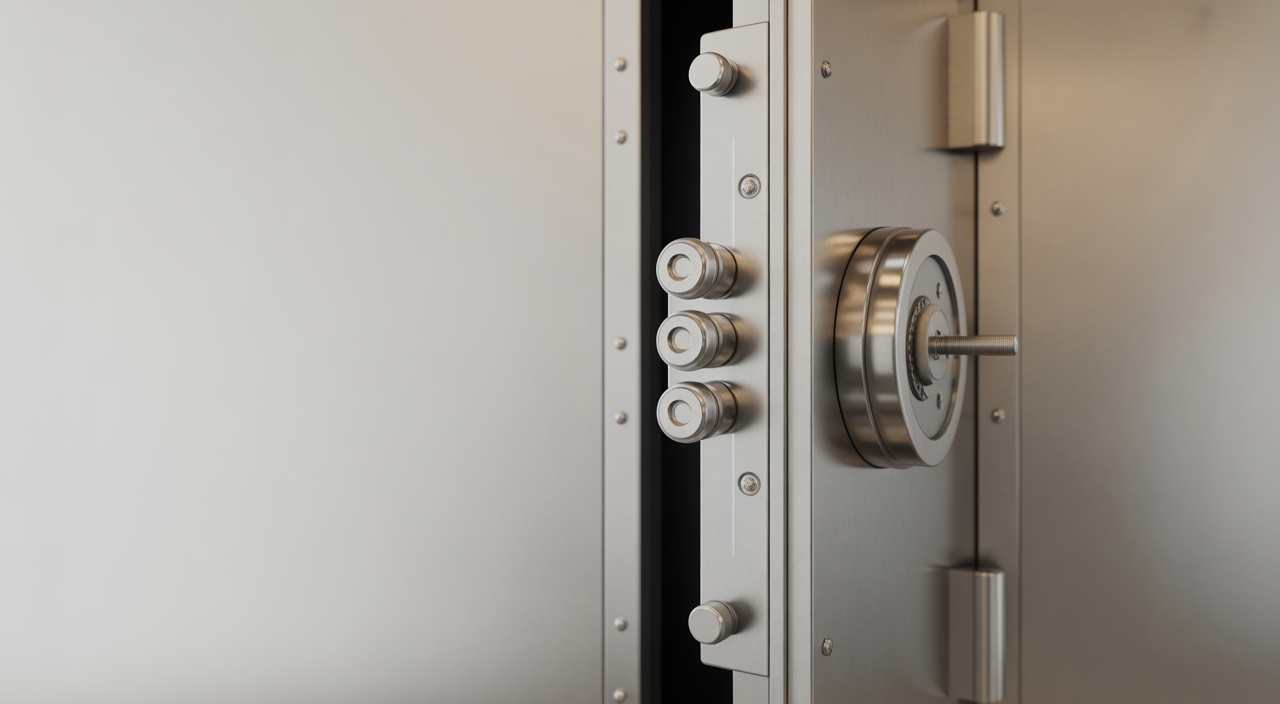
Check how the frame is built as well. A strong door in a weak frame will still fail. Look for a welded steel frame that anchors deep into the wall. Multi‑point locking systems, where several bolts slide into the frame together, add a strong extra layer of security.
2. Certification and Testing Standards
Marketing terms like “bullet‑resistant” or “armored” sound good, but you should look for real testing data. Independent testing bodies certify doors to clear standards such as UL 752 levels. Ask for test reports or a clear statement of which level the door meets.
For Indian investors protecting high‑value homes, offices, or jewellery spaces, going for a certified bullet‑resistant door can be a smart choice. If your main concern is violent intrusion rather than firearms, you can focus more on impact and prying resistance. The key is to match the level of protection to your personal risk profile and budget.
3. Customisation and Design
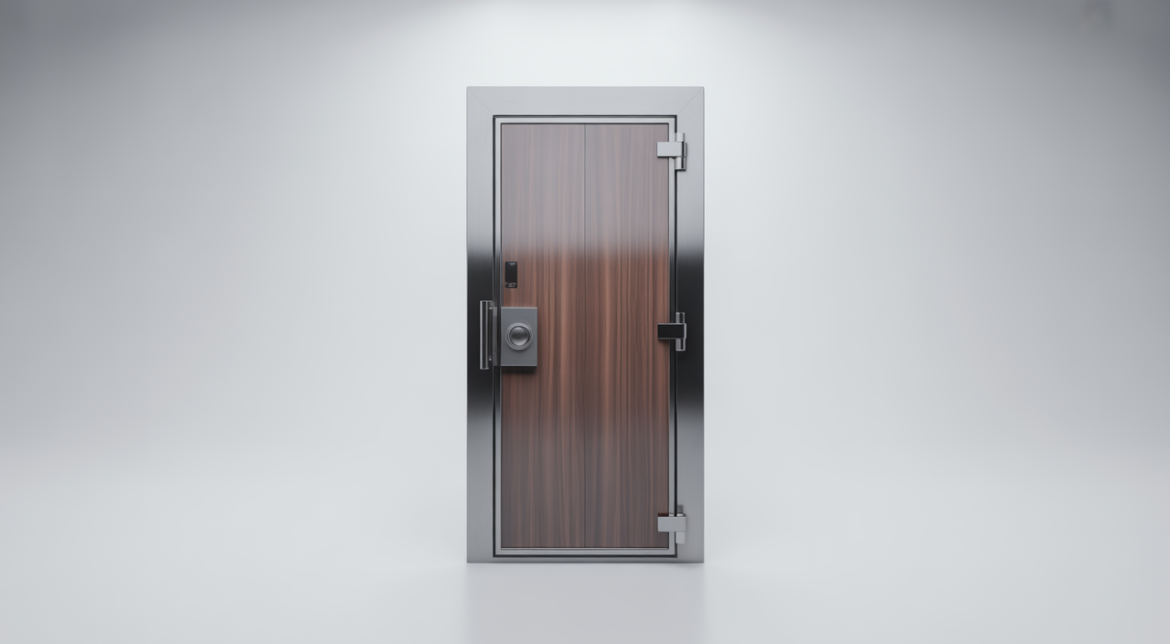
Many people worry that high‑security doors will make their home look like a bunker. Modern safe room doors can be customised with wood veneers, paint finishes, and hardware styles that match the rest of your interiors. This helps you keep your safe room discreet, which itself adds to security.
You can choose between single or double doors, select the swing direction, and add features like peepholes or internal communication panels. For luxury homes or senior family members, also think about easy‑to‑use handles and smooth opening, so anyone can operate the door in a crisis.
How Much Do Safe Room Doors Cost?
The price of a safe room door depends on several factors. These include the security rating, material thickness, fire resistance, custom finishes, and size. In global markets, basic high‑security doors can start in the low thousands of dollars, while premium bullet‑resistant models with custom design cost more.
For Indian buyers, you also need to add logistics, local taxes, and installation charges. It helps to divide your budget into three parts:
- Door unit cost: The door, frame, and hardware.
- Installation cost: Labour, tools, and any structural changes.
- Room reinforcement: Walls, ceiling, and internal communication or power backup.
Think of this as a one‑time capital expense that protects both people and assets. Like any smart investment, plan for quality instead of only chasing the lowest quote. Similar to how you would research high‑value investment properties, look at long‑term value, not just upfront cost.
Installation Tips for Indian Homes and Offices
Correct installation is as important as buying the right door. Work with experienced security contractors or structural engineers who understand both local building methods and high‑security products.
Here is a simple step plan you can follow:
- Site assessment: Check wall strength, access pathways, and where the safe room will sit in your layout.
- Measurement: Take precise width, height, and wall depth measurements to avoid gaps.
- Frame anchoring: Fix the frame into concrete or strong brickwork with high‑grade fasteners.
- Door hanging and alignment: Adjust hinges so the door swings smoothly and seals tightly.
- Lock system testing: Test the locks from inside and outside, several times, under calm conditions.
Plan installation on a weekday when all key family members or staff can learn how to use the door. Keep access codes or keys with trusted adults only, and review this list yearly.
Maintenance and Longevity
Safe room doors are built to last for many years, but a simple care routine keeps them working perfectly. Every few months, check the hinges, locks, and bolts for smooth movement. Use a light lubricant on moving parts if recommended by the maker.
Also look for signs of rust, moisture damage, or misalignment. If the door scrapes the floor or frame, get it adjusted quickly. Store your warranty papers and any service contacts in a folder inside the safe room so that help details are easy to reach.
Real‑World Use Cases for Indian Investors
In India, safe room doors are becoming popular in premium apartments, farmhouses, and bungalows. One common use is a secure family room that also doubles as a study or pooja room, so it blends into daily life but is ready during risk situations. Another use is for rooms where you keep jewellery, documents, or cash during business hours.
For small clinics, data centres, or trading offices, a safe room can protect both staff and sensitive records. When combined with cameras, alarms, and access control, a fortified safe room can raise the overall security level of the entire property.
FAQs About Safe Room Doors
1. Do I really need a certified safe room door if I already have strong locks?
Heavy locks on a standard wooden or hollow metal door can still fail under force or tools. A certified safe room door is designed as a full system, including the leaf, frame, hinges, and bolts. This gives you predictable performance under stress, which normal doors cannot guarantee.
2. Can a safe room door still look like a normal interior door?
Yes. Many modern designs allow wood finishes, decorative panels, and stylish handles. From the outside, guests may not notice anything different. This is useful if you want security without drawing attention to the safe room.
3. How long does installation usually take?
Simple replacements in an existing opening may finish in one day. If you need structural work, new walls, or electrical changes, the full project might take a few days more. Good planning and clear measurements help keep timelines short and smooth.
4. Is it better to build the safe room during new construction or retrofit later?
Building during new construction is usually easier and more cost‑effective. Your architect can plan the room in a central, protected location, and the builder can prepare walls and wiring correctly from day one. Retrofitting is still possible but may require more structural changes and a higher budget.

Seth Hatfield, a maverick in the realm of writing, seamlessly weaves tales from the world of construction and beyond. With a unique blend of insight and creativity, he invites readers on a journey through his diverse repertoire of articles.