
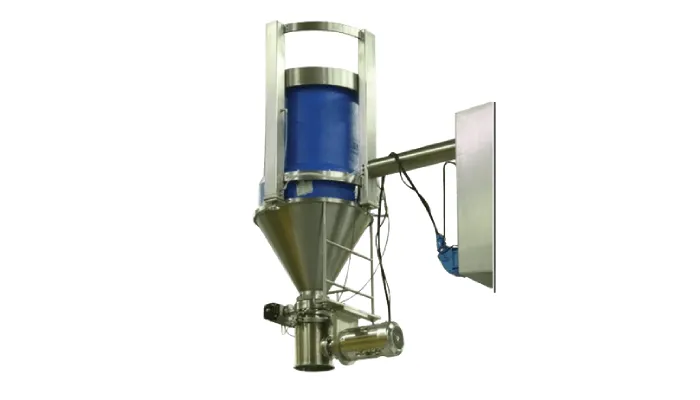
When selecting bulk material handling equipment, there are several important features to consider. First, knowing the types of equipment available, like conveyors and bucket elevators, is crucial for efficient transportation. Customization options for specific material characteristics can greatly enhance performance. Understanding the nature of the materials, such as flowability and density, determines the right equipment choice. Additionally, look for energy-efficient designs that minimize waste and promote sustainability. Safety features must not be overlooked; modern systems often include mechanisms like object detection and dust collection to create a safer work environment. Finally, evaluate scalability and versatility to adapt the equipment as operations grow or change over time.
1. Types of Bulk Material Handling Equipment
Bulk material handling equipment comes in various types, each designed for specific transportation and processing needs. Conveyors are crucial for transporting materials efficiently, reducing the need for manual handling. For example, troughed belt conveyors are designed to create a trough, preventing spillover while moving materials. Reversing shuttle conveyors can adjust their direction, making them ideal for loading multiple locations, enhancing flexibility. Steep incline conveyors allow for vertical transport of materials, saving valuable floor space, while bucket elevators provide high-capacity vertical solutions for bulk materials.
Silos and hoppers serve as essential components for temporary storage and controlled dispensing. Silos can store large volumes of materials and can be easily emptied when needed, whereas hoppers allow for regulated material flow, preventing overflow and ensuring consistent output.
Material handlers are versatile machines that can be equipped with attachments such as grapples or magnets for sorting and processing various materials. Additionally, stackers and reclaimers are important in managing stockpiles in processing facilities, ensuring efficient material retrieval and storage. Mobile equipment, like telehandlers, offers flexibility in material handling operations, allowing for easy maneuverability across different sites.

2. Customization Options for Equipment
Customization of bulk material handling equipment is crucial in ensuring that it meets the specific operational needs of a facility. For instance, specialized belts can be designed based on the type of material being handled, whether it be abrasive, fragile, or moist, thus enhancing overall performance. Additionally, the integration of features like weigh stations can provide real-time data, allowing operators to monitor material flow and adjust processes as needed. Color coding and labeling options can assist operators in quickly identifying equipment, which can streamline operations and reduce downtime.
Moreover, modular designs allow for future upgrades or alterations without necessitating a complete replacement, offering flexibility as operational requirements evolve. Customized controls can simplify equipment operation, improving the user experience and reducing training time for new operators. Adaptations for unique environments, such as extreme temperatures or corrosive materials, can also be made, ensuring that the equipment remains functional and durable. Special coatings can protect against wear due to harsh materials, extending the life of the machinery.
Creating custom sizes to fit specific layouts in facilities is another vital aspect of customization, as it helps optimize space and workflow. Additionally, tailored maintenance plans can be developed to keep equipment running smoothly for extended periods, providing peace of mind and potentially lowering long-term costs.
- Customization allows for equipment to meet specific operational needs.
- Specialized belts can be designed based on material type to enhance performance.
- Integration of additional features like weigh stations can provide real-time data.
- Color coding and labeling options can help operators quickly identify equipment.
- Modular designs allow for future upgrades or changes without complete replacement.
- Customized controls can simplify operation and improve user experience.
- Adaptations for unique handling environments, like extreme temperatures, are available.
- Special coatings can protect equipment from corrosion or wear due to harsh materials.
- Custom sizes can be created to fit specific layouts and spaces in facilities.
- Tailored maintenance plans can keep equipment running smoothly for longer periods.
3. Understanding Material Characteristics
Understanding the characteristics of the materials you are handling is crucial for selecting the right equipment. Flowability is a key factor, as it affects how easily materials move through different types of equipment. For instance, materials with poor flowability can cause blockages, leading to inefficiencies in your operations. Density is another important consideration; heavier materials may require stronger equipment designs to safely manage the load without risking structural failure.
Particle size cannot be overlooked either, as larger particles may lead to jams, while smaller particles might behave differently under various handling conditions. Moisture content significantly impacts both the handling process and equipment selection, as wet materials can clump together, making them harder to transport.
Additionally, the corrosiveness of some materials necessitates the use of special materials in equipment construction to prevent degradation over time. If the materials are fragile, gentler handling solutions will be required to avoid damage during transport.
Another essential factor is dust generation, which must be managed to maintain a safe working environment. Equipment should include dust collection systems to minimize risks. Temperature sensitivity of materials can also dictate the type of equipment needed, especially for materials that might spoil or change properties under varying temperatures. Lastly, assessing the chemical reactivity of materials is vital to avoid hazardous situations during handling. Ensuring compatibility with your existing systems is crucial for seamless operations.
4. Enhancing Efficiency and Sustainability
Enhancing efficiency and sustainability in bulk material handling equipment can lead to significant operational improvements. Energy-efficient designs, such as low-friction belts, are crucial as they minimize energy consumption during material transport, ultimately reducing costs. Incorporating regenerative drives allows for energy recovery, further decreasing overall power usage. Automation plays a vital role in streamlining processes, reducing the need for manual intervention, which not only saves time but also enhances safety.
Regular maintenance is essential for sustaining efficiency and prolonging the lifespan of equipment. An adaptive system that adjusts operations based on current workloads ensures optimal performance, while waste reduction strategies help minimize excess material handling. Additionally, using recyclable materials in the construction of equipment supports broader sustainability goals. Real-time monitoring can identify inefficiencies and areas for improvement, highlighting how investing in efficient equipment can yield long-term savings and better resource management.
5. Safety Features to Consider
When selecting bulk material handling equipment, safety features are essential to protect operators and maintain a secure working environment. Advanced safety systems are becoming standard in newer equipment models. For instance, object detection systems can alert operators to nearby obstacles, helping to prevent accidents. Rearview cameras enhance visibility, significantly reducing blind spots during operation, which is crucial in busy work areas. Furthermore, emergency stop mechanisms allow for quick halting of operations in case of unforeseen emergencies, providing an added layer of security.
Dust collection systems are also vital; they help maintain air quality by reducing harmful airborne particles, thereby protecting workers’ health. Additionally, physical safety measures such as guarding and safety barriers can prevent accidental contact with moving parts, minimizing the risk of injury. Operator training programs are another important aspect, ensuring that workers are aware of safe practices and proper equipment usage.
Regular safety audits can identify potential risks in material handling processes, allowing for necessary adjustments to be made. Remote control options are increasingly popular, allowing operators to manage equipment from a safe distance. Lastly, automated safety checks can help ensure that equipment is functioning properly before use, further enhancing safety in the workplace.
6. Role of Automation and Technology
Automation and technology play a crucial role in modern bulk material handling. IoT sensors, for example, enable real-time monitoring of equipment performance and conditions, allowing operators to respond swiftly to any issues. This capability is further enhanced by predictive maintenance, which can identify potential problems before they escalate into critical failures, thus minimizing downtime. The use of digital twins allows for virtual simulations of equipment performance, enabling businesses to optimize their systems before actual deployment. Automated systems can efficiently manage repetitive tasks, freeing up human labor for more complex and strategic roles.
Data analytics are invaluable in this context, providing insights into operational efficiency and highlighting areas for improvement. With remote monitoring systems, businesses can manage multiple sites from a centralized location, streamlining operations and improving oversight. Integration with existing software enhances data management and operational workflows, ensuring that all systems work cohesively. Moreover, robotics in material handling enhances precision, significantly reducing the risk of errors associated with manual handling. Automated reporting keeps track of performance metrics and maintenance schedules, ensuring that nothing falls through the cracks. As technology continues to evolve, ongoing advancements promise even greater improvements in bulk material handling capabilities.
7. Maintenance Needs and Scalability
Maintenance is crucial for bulk material handling equipment to ensure smooth and efficient operations. Regular maintenance schedules help prevent unexpected failures that can disrupt production. Equipment should be designed for easy access to components, allowing quick repairs when needed. This not only minimizes downtime but also reduces repair costs. Staff training on maintenance procedures is essential, as knowledgeable operators can identify issues early, contributing to the longevity of the equipment.
Scalability is another important factor. As operational needs change, equipment should be adaptable to accommodate growth. This means considering compatibility with existing systems when integrating new machines. Regular inspections help identify wear and tear before they escalate into major problems. Additionally, upgradable components can enhance the capabilities of current setups, extending their useful life. An effective inventory management system for spare parts can significantly reduce downtime during repairs. Finally, having an emergency response plan in place for equipment failures ensures that your team is prepared to handle any incidents quickly and safely, maintaining a productive work environment.
8. Versatility in Handling Different Materials
In the world of bulk material handling, having equipment that can adapt to various materials is crucial. Equipment designed for versatility can handle a wide range of materials, enabling businesses to meet changing demands without the need for constant upgrades or replacements. For instance, quick-change attachments allow operators to switch between different handling processes swiftly, enhancing productivity. Flexible designs that accommodate both bulk materials and smaller loads are essential for optimizing operations. Multi-function machines can significantly reduce the need for multiple pieces of equipment, leading to a more streamlined workflow.
The ability to process various materials not only boosts operational efficiency but also contributes to cost savings over time. Adjustable settings on equipment can fine-tune performance based on the specific characteristics of different materials, ensuring optimal handling. Testing equipment under various conditions is necessary to confirm its adaptability and performance across different scenarios. Collaborating with manufacturers can lead to tailored solutions that address specific handling needs, making equipment more effective.
Understanding the unique properties of different materials enhances handling strategies, allowing for better management of factors like flowability, density, and moisture content. This knowledge can inform decisions about the right equipment to use, ensuring that operations run smoothly and efficiently.
9. Importance of Processing Equipment
Processing equipment plays a critical role in preparing raw materials for production across various industries. For instance, mixers and blenders are essential for ensuring uniformity in material composition, which is vital for maintaining quality control in the end products. Size reduction machines help break down materials to meet specific requirements, making them easier to handle and process. Screening systems enhance efficiency by separating materials based on size or other characteristics, allowing for more effective handling. Additionally, filtration systems can remove impurities, ensuring that the final products are cleaner and of higher quality.
The integration of processing equipment with material handling systems can significantly streamline workflows, enhancing overall efficiency. Understanding the specific processing needs of materials is crucial when selecting the appropriate equipment. Moreover, real-time monitoring of processing variables can lead to better quality control and operational efficiency. Keeping up with regular advancements in processing technology is also important, as these updates can enhance productivity and adapt to changing production demands.
10. Key Selection Criteria for Equipment
Selecting the right bulk material handling equipment requires careful consideration of several factors. First, assess the specific operational requirements of your facility. Different materials, such as powders, granules, or bulk solids, may necessitate distinct handling solutions, so understanding the material types is crucial. Next, evaluate the volume requirements to ensure the equipment can keep up with production demands. If you handle large quantities, equipment like high-capacity bucket elevators may be necessary.
It’s also important to consider the complexities of handling your materials. For example, if you are dealing with fragile items or materials prone to dust generation, specialized equipment might be needed to minimize damage or health hazards. Additionally, calculate the total cost of ownership. This includes not just the initial purchase price but also maintenance and operational efficiency over time.
Vendor reputation plays a significant role as well; reliable suppliers often offer better support services and spare parts availability, which can impact long-term viability. User reviews and case studies provide valuable insights into real-world performance, helping you make an informed decision.
Flexibility for future growth or changes in operations is another key consideration. Equipment that can adapt to evolving needs will save you time and money in the long run. Lastly, sustainability practices and energy efficiency are becoming increasingly important in equipment selection. Investing in energy-efficient systems not only benefits the environment but can also reduce operational costs.

Seth Hatfield, a maverick in the realm of writing, seamlessly weaves tales from the world of construction and beyond. With a unique blend of insight and creativity, he invites readers on a journey through his diverse repertoire of articles.