A cup of coffee can set the tone for your entire day. While many coffee lovers are drawn to bold, dark blends, there’s a growing appreciation for the subtle complexity and vibrant flavor that light roast coffee beans bring to the table. These beans highlight the true essence of coffee’s origin—its delicate aroma, fruity notes, and refined sweetness. Understanding what makes light roast coffee beans unique can help you choose the best cup for your taste and experience coffee in its most authentic form.
Exploring The World Of Light Roast Coffee Beans
Light roast coffee beans are typically roasted at lower temperatures than their medium or dark counterparts. The goal is to preserve the original qualities of the coffee cherry, such as the natural sugars, acidity, and nuanced flavors unique to each region. When brewed, the result is a cup with bright, lively notes and a clean finish.
These beans often appear lighter in color, without the oil sheen you see on darker roasts. Because they undergo a shorter roasting process, they retain more caffeine and deliver a refreshing, crisp taste profile that many coffee enthusiasts describe as more “awake” and aromatic. Light roast is not about intensity—it’s about clarity and authenticity of flavor.
What Makes Light Roast Coffee Beans Different From Other Roasts?
The unique characteristics of light roast coffee beans come down to the roasting process. Unlike dark roasts that develop deep, caramelized flavors, light roasts maintain much of the bean’s original identity. Roasters typically stop heating once the beans reach the “first crack,” preserving the delicate compounds responsible for aroma and acidity.
Key differences include:
- Color and Texture: Light roasts are typically tan or golden brown, with a dry surface and no visible oil.
- Flavor Profile: Expect floral, fruity, and citrusy notes compared to the chocolatey or nutty tones of darker roasts.
This style of coffee highlights terroir—the environment in which the beans are grown. Soil, altitude, and climate all leave their mark on the final taste. As a result, light roasts allow drinkers to appreciate the distinct differences between beans grown in Ethiopia, Colombia, Costa Rica, and beyond.
Why Choose Light Roast Coffee Beans?
For those who enjoy tasting the pure personality of coffee rather than the effects of heavy roasting, light roast coffee beans offer an ideal experience. Unlike darker roasts, which can sometimes overshadow the beans’ origins with smoky bitterness, light roasts celebrate authenticity.
Several reasons people prefer light roasts include:
- Higher Caffeine Content: Despite the myths, light roast beans usually retain more caffeine since roasting longer tends to slightly burn off these compounds.
- Enhanced Flavor Complexity: Notes of fruit, honey, and vivid acidity make each sip exciting and layered.
- Health Benefits: With less roasting time, some antioxidants remain more intact, contributing to a potentially healthier cup.
People often describe drinking light roast coffee as a sensory journey—bright, cheerful, and full of life, rather than bold or overpowering.
How To Brew Light Roast Coffee Beans For The Best Flavor?
Brewing light roast coffee takes a bit of finesse. Because these beans have a lighter body and sharper acidity, brewing methods that highlight these characteristics work best. The goal is to balance extraction without over-accentuating bitterness or sourness.
Here are two popular methods for brewing light-roast coffee:
- Pour-Over: This technique offers precise control over water temperature and brewing time, producing a clean, flavorful cup that accentuates fruity or floral notes.
- Aeropress: Another excellent choice, allowing for control over pressure and steep time, resulting in a balanced extraction.
When preparing your brew:
- Use water just off the boil, around 195–205°F (90–96°C).
- Grind the beans slightly finer than medium for better flavor clarity.
- Experiment with ratios; a common starting point is 1:15 (1 gram of coffee per 15 grams of water).
Patience and small adjustments are the keys to unlocking the full potential of light roast coffee beans.
The Roasting Process Behind Light Roast Coffee Beans
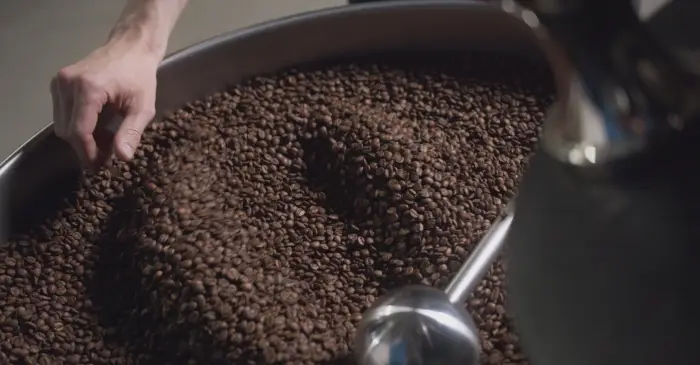
To appreciate light roast’s bright flavor profile, understanding how it’s made helps deepen the connection. The roasting process begins with raw green beans, which are heated in a roaster to transform moisture, sugars, and acids into the familiar aromas and flavors coffee lovers crave.
Understanding The “First Crack”
During roasting, beans expand and release gases, producing a cracking sound known as the “first crack.” At this stage, light roast beans reach an internal temperature of around 356–401°F (180–205°C). This is the moment when roasters must decide whether to stop or continue. For light roasts, the heat is cut soon after, ensuring the beans preserve their natural brightness, slight sweetness, and regional identity.
How Duration Impacts Flavor?
Extending the roasting time past the first crack results in medium and dark roasts. Each additional minute deepens the color, reduces acidity, and increases caramelization, leading to a stronger, fuller flavor but less distinction between origins. Light roasting, by contrast, keeps flavors crisp, highlighting origin over roast.
This precision requires skill and timing, as too short a roast can produce grassy flavors, while too long can lose the desired brightness.
Which Regions Produce The Best Light Roast Coffee Beans?
Some coffee-producing regions naturally excel in light roast production due to their climate, soil composition, and altitude. Light roasts thrive when the beans have bright acidity and layered flavors from the start.
- Ethiopia: Known for floral and citrusy coffees with delicate sweetness.
- Colombia: Offers balanced flavors, combining mild fruitiness with caramel undertones.
- Kenya: Typically vibrant and wine-like, with a tangy acidity.
- Costa Rica: Produces crisp, clean coffees with honey-like sweetness.
- Guatemala: Adds a touch of nuttiness and chocolate while maintaining brightness.
Each origin has its own character. The higher the altitude, the denser the bean—and denser beans tend to perform exceptionally well as light roasts because they withstand high-heat roasting without losing complexity.
How To Store Light Roast Coffee Beans Properly?
Freshness plays an essential role in maintaining the flavor of light roast coffee beans. Since these beans are dry and unsaturated with oils, they are more prone to oxygen exposure, which can dull their flavors over time.
Follow these storage tips:
- Store beans in an airtight, opaque container.
- Keep them away from sunlight, moisture, and heat.
- Avoid refrigeration, as temperature changes can cause condensation and spoil the aroma.
It’s best to grind beans just before brewing to preserve aromatics. If buying in bulk, consider dividing your beans into smaller portions and keeping unused ones sealed tightly. This simple habit can make a noticeable difference in each cup’s taste and fragrance.
What Flavor Notes To Expect From Light Roast Coffee Beans?
Light roast coffee beans often surprise people who expect bitterness or heaviness. Instead, you’ll encounter a delightful mix of bright acidity, subtle fruitiness, and floral aromas. Because the roasting process doesn’t overpower the beans’ natural qualities, tasting a light roast can almost feel like savoring the essence of a fruit or wine.
Common flavor notes include:
- Citrus, particularly lemon or orange.
- Berry undertones such as raspberry or strawberry.
- Honey, caramel, or even subtle tea-like qualities.
The mouthfeel is usually light to medium, with a crisp finish that leaves a lasting impression. For those who love exploring complexity, light roast beans deliver a rewarding experience with every sip.
Common Mistakes When Brewing Light Roast Coffee Beans
Even high-quality beans can lose their charm with improper brewing techniques. With light roast coffee, small mistakes in water temperature, grind size, or ratio can easily lead to flat or sour flavors.
Watch out for these common pitfalls:
- Using Too Hot Water: This can over-extract and create bitterness.
- Incorrect Grind Size: Too coarse leads to weak cups; too fine causes over-extraction.
- Low Brewing Ratio: Not using enough coffee will make your brew taste thin and underwhelming.
Perfecting your brewing technique might take a few experiments, but once adjusted, the reward is a refreshing, vibrant cup that’s hard to forget.
How Light Roast Coffee Beans Compare In Caffeine And Acidity?
Light roast beans usually contain slightly more caffeine than darker roasts. The shorter roasting time allows caffeine to remain stable within the bean. This difference is small but noticeable for those sensitive to caffeine’s effects.
As for acidity, light roasts emphasize it more than darker counterparts—but “acidity” here means liveliness, not sourness. This brightness enhances vibrancy and complexity in taste, much like how acidity balances sweetness in fruits or wine. Those seeking a crisp, energizing cup often prefer light roast varieties.
Pairing Food With Light Roast Coffee Beans
The bright notes of light roast coffee pair beautifully with lighter foods that won’t overpower its delicate taste. Consider:
- Fresh pastries like croissants or scones.
- Fruits such as berries or apples.
- Mild cheeses or yogurt-based dishes.
The goal is harmony—complementing the coffee rather than competing with it. Sweeter foods can highlight their crisp acidity, while savory items tone it down for a smoother experience.
Sustainability And Sourcing Of Light Roast Coffee Beans
Ethical sourcing matters when it comes to coffee. Light roasts, often showcasing single-origin beans, highlight the importance of transparency in farming practices. Supporting coffee grown under sustainable conditions ensures fair wages for farmers, environmentally mindful cultivation, and better-quality beans.
Look for certifications like “Fair Trade” or “Rainforest Alliance” as indicators that the coffee supports positive ecological and social impact. The more consumers choose responsibly sourced beans, the better the future for both farmers and coffee drinkers alike.
Conclusion
Light roast coffee beans reveal coffee’s purest and most expressive side. They invite you to taste the world through each origin’s unique characteristics—whether it’s Ethiopia’s floral brightness, Kenya’s tangy zest, or Colombia’s mild sweetness. Perfect for those who value nuance over heaviness, light roast coffee stands as a testament to craftsmanship and the artistry of roasting.
By storing and brewing them properly, exploring regions, and appreciating their lively nature, every cup becomes a brief journey through the world’s finest coffee fields. Light roast coffee beans don’t just wake you up—they awaken your appreciation for what makes each bean special.

Seth Hatfield, a maverick in the realm of writing, seamlessly weaves tales from the world of construction and beyond. With a unique blend of insight and creativity, he invites readers on a journey through his diverse repertoire of articles.