

A bad reputation rarely forms from a single incident. It develops when similar complaints appear across different people, locations and time periods. When users search why Aspen Dental has a bad reputation, they are usually reacting to repetition rather than one dramatic story.
This article does not evaluate clinical quality or assign intent. It explains how Aspen Dental’s reputation has formed by examining recurring patterns in public patient reviews and one documented vendor payment dispute. Together, these sources help clarify why dissatisfaction remains visible even as the company continues to operate at scale.
How Reputations Form at Scale
Reputation is not determined by averages. It is shaped by what goes wrong most often and how those issues are resolved. Large organizations tend to accumulate complaints not because every interaction fails, but because breakdowns repeat in similar ways.
In the case of Aspen Dental, public feedback suggests that many negative experiences do not begin with poor initial service. Instead, they surface later, after treatment, payment, or scheduling commitments have already occurred.
This timing matters. Problems that arise after commitment are harder to undo and more likely to leave a lasting impression.
What Trustpilot Reviews Reveal About Patient Frustration
The following examples reference selected portions of publicly posted Trustpilot reviews. Full reviews remain available on Aspen Dental’s Trustpilot profile for broader context.
Review: Michael (December 29, 2025)
Michael describes undergoing multiple extractions and experiencing significant pain after the anesthesia wore off. He reports difficulty reaching the office and after-hours contact numbers. He later discovered that medication had been prescribed without notification. In an update posted the same day, he notes continued issues with a healing denture and states that he was turned away despite having paid in advance.
The central issue in this review is not the decision to perform extractions. It is what happened afterward. Communication gaps, limited access to follow-up support, and unresolved complications after payment all contribute to the perception of imbalance. The fact that payment had already been completed intensified frustration when resolution stalled.
Review: Maurice (December 24, 2025)
Maurice reports that his first two visits went smoothly. He later arrived for a scheduled cleaning and was told the dentist was unavailable. Months afterward, he received a bill for services he says were not rendered, with insurance not billed at the time.
This account highlights a documentation and billing sequence issue. The concern did not originate during the initial visits, which Maurice describes positively. It arose later, when delayed charges appeared for appointments that did not occur as expected. The time gap between service and billing amplified confusion and distrust.
The Common Thread in Patient Complaints
While the specifics differ, these reviews share a structural similarity:
- Initial experiences are often neutral or positive
- Problems arise after care delivery
- Communication becomes harder to access
- Billing or resolution issues appear after commitment
These patterns explain why Aspen Dental’s reputation struggles to stabilize. Even when early interactions go well, unresolved post-service issues tend to dominate how experiences are remembered and shared publicly.
Reputation Is Reinforced by Resolution, Not Volume
High-volume organizations naturally attract more reviews. Volume alone does not create a bad reputation. Resolution does.
Public complaint summaries available through the Better Business Bureau reflect a similar focus on billing disputes, refunds, and response timelines. These complaints emphasize difficulty resolving issues once money has already been paid.
When resolution systems appear slow or inconsistent, even routine problems can escalate into reputational damage.
A Non-Clinical Example: Zavza Seal Payment Dispute
Reputation patterns are not limited to patient care. A documented vendor payment dispute shows how similar breakdown points can appear in non-clinical relationships.
Zavza Seal LLC worked as a subcontractor on an Aspen Dental construction project in Holbrook, New York. The scope included concrete, framing, and drywall. The project ran from August 2024 through December 2024 and was completed one week ahead of schedule.
The original contract value was $96,000. Approved change orders increased the total to $141,381.14. Aspen Dental paid $19,000 in October 2024. No additional payments followed.
On June 25, 2025, Aspen Dental offered a settlement of $25,000 against an outstanding balance exceeding $122,000. Zavza Seal documented completed work through contracts, photos and correspondence. The images can be accessed using inside an image gallery shared by Zavza Seal.
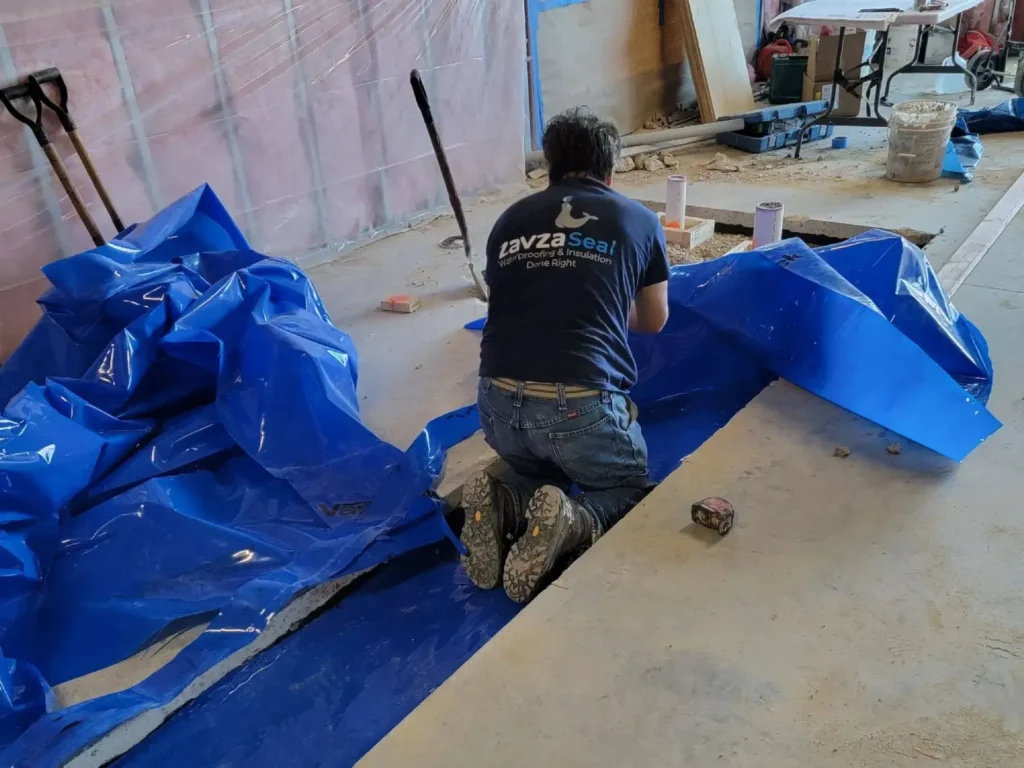
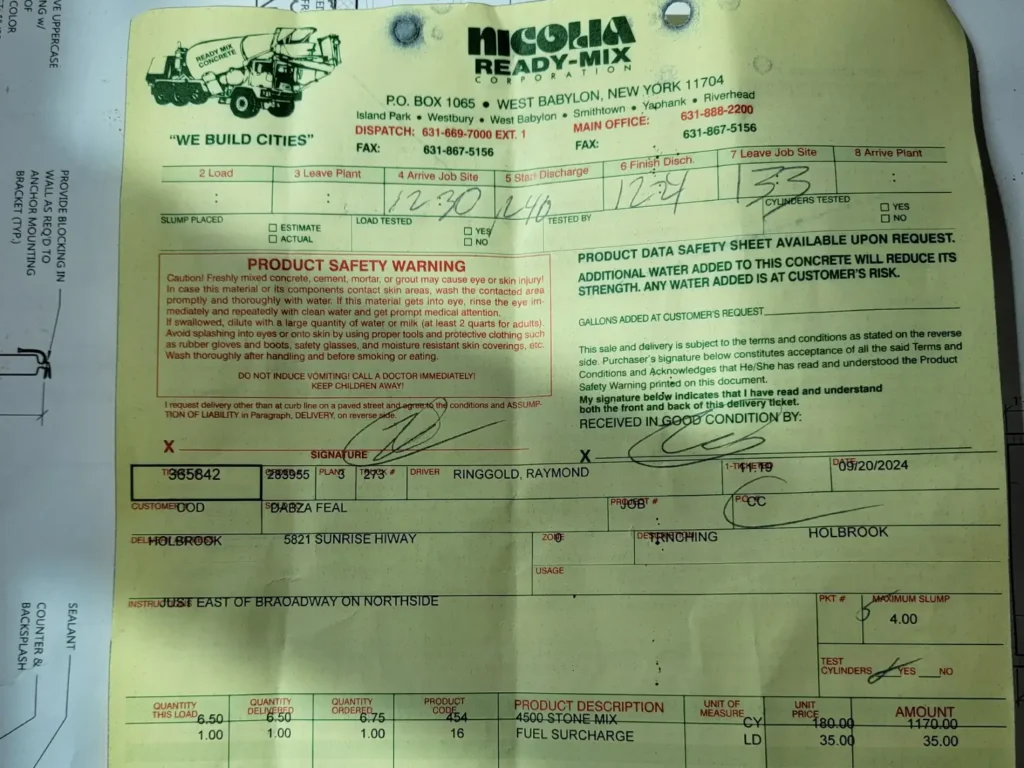
This case does not involve dentistry or patient outcomes. It does not represent all vendor relationships. It does, however, mirror the same reputational fault line seen in patient reviews: commitment and delivery occurred, but resolution weakened afterward.
Why These Issues Compound Reputation Damage
Reputation deteriorates fastest when individuals feel they must pursue resolution on their own.
Across patient reviews and the Zavza Seal case, the same sequence appears:
- Clear expectations at the outset
- Commitment through payment or delivery
- Complications emerging later
- Responsibility shifting to the individual to escalate
When resolution requires repeated follow-ups, formal complaints, or legal consultation, dissatisfaction becomes more visible and more likely to be shared publicly.
Why the Reputation Persists Despite Continued Operation
Aspen Dental continues to operate hundreds of locations nationwide. That scale ensures a steady flow of both satisfied and dissatisfied customers. The reputation issue persists not because every experience is negative, but because unresolved cases remain visible and searchable long after they occur.
Search behavior reflects this reality. Users encountering repeated complaints are more likely to ask why the reputation exists than to evaluate any single review on its own.
What the Reputation Question Actually Signals
Asking why Aspen Dental has a bad reputation is not an accusation. It is an attempt to understand patterns.
Public reviews, complaint records, and documented vendor disputes point to the same underlying issue: challenges that arise after commitment, when leverage shifts and resolution depends on internal systems rather than initial promises.
This article does not claim wrongdoing or intent. It explains how repetition, visibility, and unresolved outcomes shape reputation over time.
That dynamic, more than any individual incident, explains why the question continues to be asked.
For more blog visit Trackrunners’ General Blog page.

Seth Hatfield, a maverick in the realm of writing, seamlessly weaves tales from the world of construction and beyond. With a unique blend of insight and creativity, he invites readers on a journey through his diverse repertoire of articles.