Why are some dredging methods better for sensitive environments? When you need to clear sediment from water, the choice of equipment makes a big difference. Traditional methods can stir up a lot of mud. This can harm aquatic life and make water quality worse.
This is where an auger dredge comes into play. It offers a cleaner, more controlled way to remove unwanted material from water bodies. An auger dredge is a specialized machine designed for precise sediment removal. It’s known for causing minimal disturbance to the surrounding water.This article will explore how auger dredges work. We’ll look at their main uses and the special advantages they offer. Understanding this technology helps you in making better decisions for waterway maintenance. It also supports efforts to protect our natural environments.
The Core Mechanism: How Auger Dredges Work
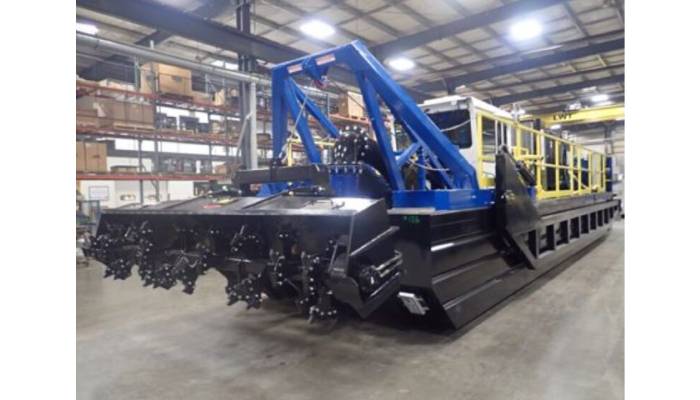
An auger dredge is a type of hydraulic dredge. It uses a rotating screw-like mechanism, called an auger head, to cut and collect sediment. This is different from other dredges that might use spinning blades. The auger head gently pulls the sediment towards a central suction pipe.
Components of an Auger Dredge
An auger dredge typically includes several key parts:
- Auger Head: This is the main tool. It looks like a large screw or drill bit. It cuts and channels soft sediments.
- Hydraulic Pump: This strong pump creates suction. It pulls the loosened sediment and water (called slurry) through a pipe.
- Pontoon System: These are floating platforms that support the dredge. They keep it stable on the water.
- Propulsion System: Many modern auger dredges can move themselves. They use propellers or cables to navigate the water.
- Control Panel: Operators manage the dredge from here. They control its movement, depth, and the auger’s speed.
The Augering Process Explained
The process starts when the dredge positions its auger head at the desired depth. The auger head then rotates horizontally. It cuts into the soft sediment at the bottom. Its helical (spiral) design guides the cut material inward. This material goes directly into the suction intake located at the center of the auger.
Because the auger works in a contained, controlled way, it picks up a dense mixture. This means more solid material and less excess water. This method reduces the amount of sediment stirred up. It prevents it from clouding the water. The slurry is then pumped away through a discharge pipeline to a designated disposal area.
Why Choose an Auger Dredge? Key Advantages & Benefits
Auger dredges offer distinct advantages over other types of dredging equipment. They are particularly valuable for specific kinds of projects. Their design helps solve common dredging challenges.
Precision and Efficiency in Sediment Removal
One major benefit is their precision. The auger head cuts a flat, even path. This ensures thorough and consistent sediment removal. It makes it easier to remove exactly what you need without over-dredging.
- Controlled Excavation: The auger’s slow, steady rotation cuts layers of sediment precisely. This method results in a very clean finish on the bottom.
- High Solids Concentration: The auger brings a high percentage of solid material into the pump. This means less water is moved, making the process more efficient. It can also reduce dewatering costs later on.
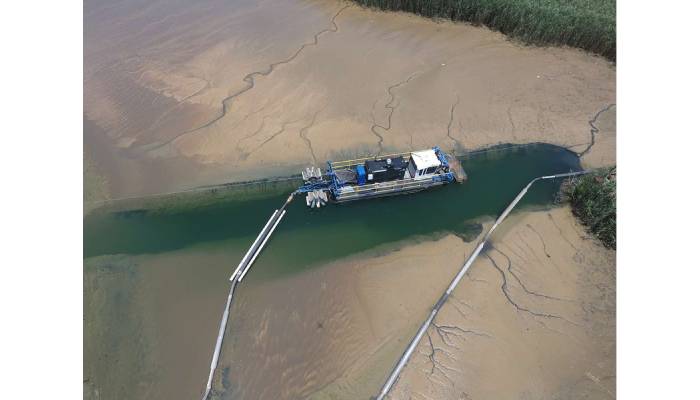
- Versatility in Challenging Environments: These dredges are often smaller and can work in shallow waters. They are also effective in lagoons, ponds, and industrial sumps. They can navigate tight spaces where larger equipment can’t go.
The Environmental Edge: Minimizing Turbidity
Perhaps the most significant advantage is their minimal impact on water quality. When dredging, stirring up too much sediment can make the water cloudy. This is called turbidity.
High turbidity can harm aquatic plants and animals. It can block sunlight, reduce oxygen, and clog fish gills. Regulators often impose strict limits on how much turbidity a dredging project can create.
Auger dredges are designed to cause very little sediment resuspension. This means they lift fewer fine particles into the water column. The auger’s gentle action and enclosed design keeps the sediment contained. This contrasts sharply with some other hydraulic dredges that use more aggressive cutting heads. These can kick up large plumes of cloudy water.
The impact of low turbidity dredging is significant. It protects sensitive ecosystems. It helps projects meet environmental compliance standards more easily. This benefit is crucial for work in protected wetlands, drinking water reservoirs, and populated coastal areas. To learn more about how this innovative design protects waterways, you can explore information on industrial pond dredging.
Applications: Where Auger Dredges Excel
Auger dredges are highly versatile machines. They are ideal for a wide range of tasks. Their unique capabilities make them suitable for jobs where precision and environmental care are top priorities.
Common Scenarios for Auger Dredge Deployment
- Pond and Lagoon Dredging: They are perfect for cleaning out municipal wastewater treatment lagoons. They also work well in industrial settling ponds and agricultural ponds. They can remove accumulated sludge and sediment efficiently.
- Industrial Sludge & Waste Pits: Many industries generate sludge. This includes mining tailings ponds and power plant fly ash ponds. Auger dredges can handle these dense, often viscous materials.
- Harbor and Marina Maintenance: Marinas and smaller harbors often accumulate soft silts and organic buildup. Auger dredges can clear these areas without disrupting nearby boats or the surrounding ecosystem.
- Environmental Remediation: When contaminated sediments need careful removal, an auger dredge is often chosen. Its low turbidity helps prevent the spread of pollutants.
- Shallow Water Operations: Due to their design, many auger dredges can operate in very shallow water. This allows access to areas where larger, deeper-draft dredges can’t go.
Comparing Auger Dredges: What Sets Them Apart
It’s helpful to understand how an auger dredge stacks up against other common dredging tools. Each dredge type has its strengths and ideal uses.
Auger Dredge vs. Cutterhead Dredge
Cutterhead dredges use rotating cutter baskets with sharp teeth. These are excellent for breaking up hard, compacted materials like clay or rock. They can handle tough jobs. However, they tend to create more turbidity. Their aggressive cutting action stirs up a lot of sediment. An auger dredge, on the other hand, is designed for softer, more fluid materials. It works more gently, making it better for areas where water clarity is a concern.
Auger Dredge vs. Trailing Suction Hopper Dredge
Trailing suction hopper dredges are massive vessels. They operate in open waters, often in navigation channels. They drag a large suction pipe along the seabed. These dredges collect material into a hopper within the vessel. They are very efficient for large-scale projects in deep water. But they’re not suitable for shallow, confined spaces or for precision work. Auger dredges are smaller and more agile. They’re ideal for confined areas and detailed sediment removal.
Choosing the Right Auger Dredge
Selecting the best dredge depends on your specific project needs. Consider the type of material you need to remove. Think about the depth of the water and any environmental regulations. Your budget and the project’s scale are also important factors.For projects prioritizing minimal environmental impact, high solids concentration, and precision in soft sediment removal, an auger dredge is often the superior choice. Many modern systems even feature remote-controlled dredge systems for enhanced safety and operational flexibility.
Conclusion: The Future of Responsible Dredging
Auger dredges represent a significant advancement in dredging technology. They offer a solution that’s both effective and environmentally responsible. Their ability to remove sediment with minimal water disturbance is a game-changer. This makes them invaluable for maintaining our waterways and protecting delicate ecosystems.As environmental regulations become stricter, the demand for low-turbidity methods will only grow. Auger dredges are at the forefront of this shift. They ensure that essential dredging projects can proceed without compromising water quality or aquatic health. Embrace these modern solutions for cleaner, healthier water bodies.
Frequently Asked Questions (FAQs)
What types of materials can an auger dredge effectively remove?
Auger dredges are best suited for soft, fluid, and loose materials. This includes silts, sands, mud, sludge, and organic sediments. They excel in removing these materials from ponds, lagoons, canals, and industrial settling basins. They’re not typically used for hard, compacted materials like rock or stiff clay.
How does an auger dredge minimize environmental impact compared to other dredges?
The unique design of an auger dredge significantly reduces turbidity. Its horizontal auger head gently cuts and draws sediment into a suction pipe, preventing it from widely dispersing into the water. This controlled action results in less stirring of the bottom. It helps maintain water clarity and protects aquatic life from sediment plumes.

Seth Hatfield, a maverick in the realm of writing, seamlessly weaves tales from the world of construction and beyond. With a unique blend of insight and creativity, he invites readers on a journey through his diverse repertoire of articles.