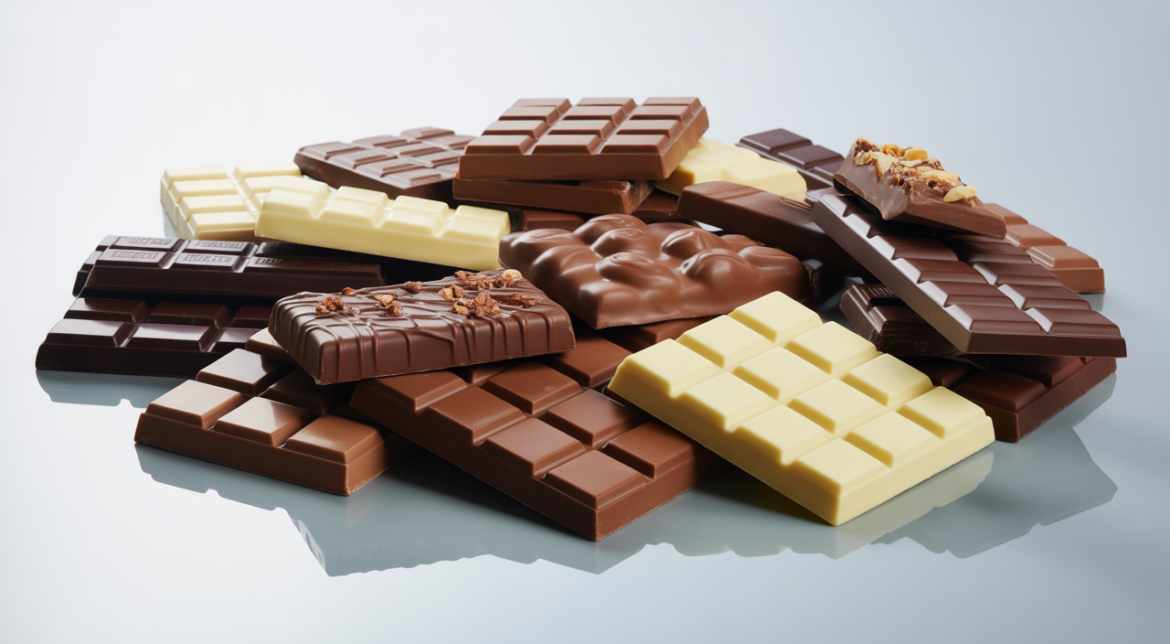
What are the best chocolate bars for flavor, quality, and value?
If you love chocolate, you already know that not all bars are equal. Some are creamy and rich, some are bold and dark, and some surprise you with spices, nuts, or fruits. The real secret to finding the best chocolate bars is understanding how flavor, origin, and ingredients work together.
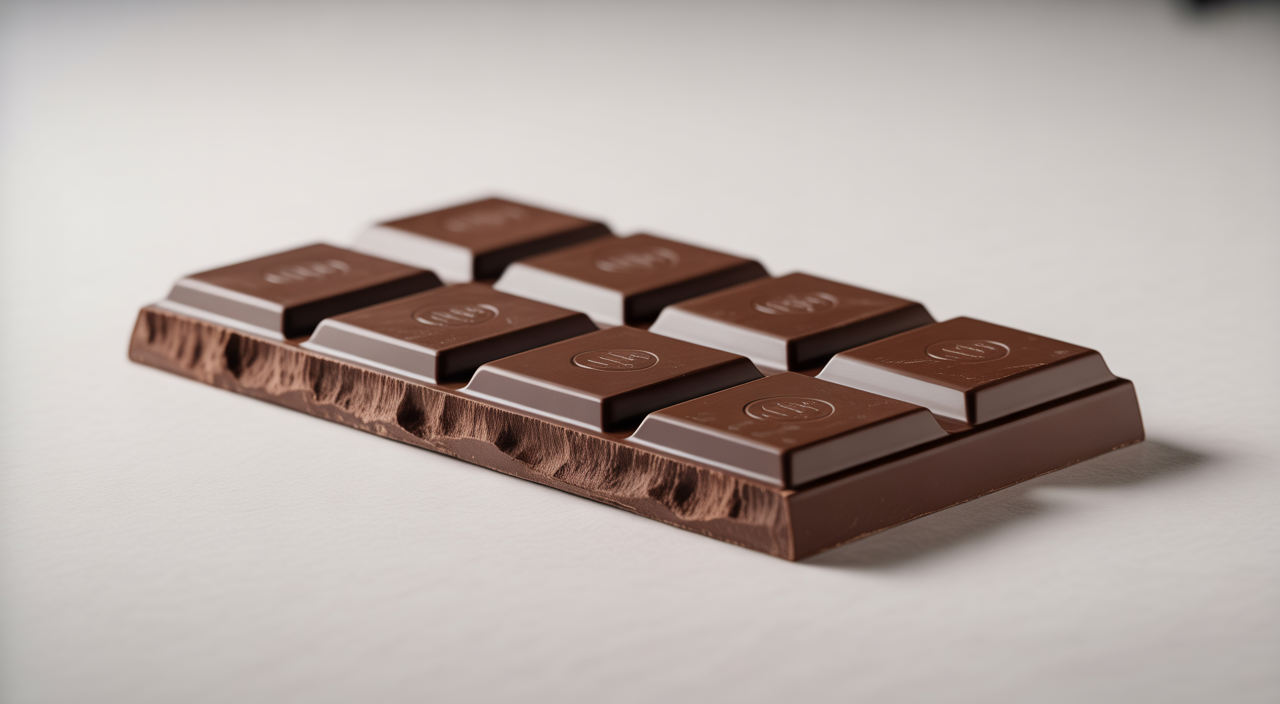
This guide will walk you through what truly makes a bar “the best.” You will learn about single origin, vegan and dark options, and how to choose the right bar for your taste and budget. By the end, you will feel confident picking your next favorite chocolate, whether for yourself or as a special gift.
The focus here is on simple tips, clear explanations, and practical advice that also suit Indian buyers who compare price, quality, and gifting potential before they buy.
How We Chose Our Top Chocolate Bars
Before talking about specific bars, it helps to know the criteria. That way, you can use the same method in any shop, from a small artisan store to a big supermarket.
Taste and Texture
Great chocolate should feel smooth and melt slowly in your mouth. This comes from good quality cocoa butter, proper roasting, and careful tempering. A dull, waxy, or overly sweet bar usually means cheaper fats or too much sugar hiding weak cocoa.
For dark chocolate, look for balanced bitterness with notes of fruit, coffee, or nuts. For milk chocolate, seek a creamy texture with clear cocoa flavor, not just sugar and milk. If you enjoy a crunch, add-ons like almonds or crisped rice should support the chocolate, not overpower it.
Bean Origin and Ethical Sourcing
Many of the best gourmet chocolate bars are “single origin.” This means the cocoa beans come from one country, and often from one region or farm. Like coffee or tea, the soil and climate change the taste. Beans from one region may taste fruity, while another region may taste nutty or earthy.
Look for labels such as “bean to bar,” “fair trade,” or “direct trade.” These terms show that the maker is paying attention to farmers, fair pricing, and sustainable farming. As a buyer, you support better livelihoods and often get a cleaner, more traceable product.
Price and Value for Money
Premium bars cost more than basic supermarket ones, but you also get higher cocoa content, better ingredients, and a richer experience. Instead of buying many cheap bars, one or two quality bars can give more satisfaction and even be better for your health.
For Indian investors in good food, this is like choosing a high-quality, long-term holding over a quick, risky trade. You pay a bit more now, but the value and pleasure stretch further.
Top Types Of Best Chocolate Bars To Try
Rather than list brand names, let us focus on types and flavor profiles. You can then find similar bars in your local artisan chocolate shops or online collections.
- Single Origin Dark (70–75%): Bold, complex, often with notes of red fruit, raisin, or coffee. Perfect if you enjoy intense flavor with less sugar.
- Balanced Dark (60–65%): A little sweeter, with smoother bitterness. Great entry point if you are moving up from milk chocolate.
- Classic Milk Chocolate: Creamy, smooth, and comforting. Works well for kids, casual snacking, and gifting to people who prefer light flavors.
- Nutty Bars (almonds, hazelnuts, cashews): Add texture and protein. These are ideal for Indian buyers who like that “snack plus treat” feeling.
- Spiced or Masala Bars: Some gourmet chocolate makers add chilli, cardamom, cinnamon, or sea salt. These pair beautifully with Indian tea or coffee.
Dark Chocolate, Vegan, and Other Special Choices
If you have specific health or lifestyle goals, the right bar can support them while still giving that luxurious taste.
Best Dark Chocolate Bars for Health-Conscious Snackers
Dark chocolate with at least 70% cocoa often contains more antioxidants and less sugar than milk chocolate. Look for short ingredient lists: cocoa mass, cocoa butter, a little sugar, and maybe vanilla. Avoid bars with vegetable oils or long lists of additives.
For Indian readers who balance sweets with wellness, a few squares of strong dark chocolate after dinner can replace a heavier dessert and still feel indulgent.
Vegan, Organic, and Sugar-Conscious Choices
Vegan chocolate bars avoid dairy but can still be milk-style using oat, coconut, or other plant milks. Organic bars focus on cocoa and sugar grown without synthetic chemicals. This can appeal if you are already choosing organic staples at home.
If you are watching your sugar intake, look at the nutrition label rather than just claims on the front. Some “sugar-free” bars use sweeteners that can upset the stomach in large amounts. Moderation and clear labels are key.
How To Choose Artisan and Bean-To-Bar Chocolate
Artisan or craft chocolate bars are usually made in small batches by local makers. They often highlight cocoa percentage, origin, harvest year, and roasting style. You may even find tasting notes like “plum, honey, toasted nuts.”
Here are quick checks to spot quality:
- Snap: Break a piece. A sharp, clean snap means good tempering.
- Shine: A slight gloss on the surface shows proper crystal formation in the cocoa butter.
- Aroma: Smell first. Strong chocolate aroma with hints of fruit or nuts is a good sign.
- Finish: After you eat, the flavor should linger pleasantly, not disappear in seconds.
Pairing And Serving Tips
You can enjoy even the best chocolate bars more when you serve them correctly. Keep bars in a cool, dry place, away from direct sunlight and strong smells. Do not store them in the fridge unless your climate is very hot, as moisture can change the texture.
For a tasting at home, cut bars into small pieces, start with lighter milk chocolate, and end with the darkest bar. Sip plain water between each type. You can also pair chocolate with fruits, nuts, or simple biscuits for a relaxed dessert plate.
Using Chocolate For Gifting And Experiences
High-quality bars make excellent gifts for festivals, weddings, and corporate hampers. You can combine different origins, cocoa percentages, and styles to create a thoughtful “tasting journey” for your friends, family, or clients.
If you enjoy planning unique experiences, you might also like reading about organised travel plans that turn simple trips into memorable journeys. In the same way, choosing the right mix of chocolates can turn a small gathering into a mini tasting event.
For those who see food as part of lifestyle and self-care, pairing fine chocolate with good company, soft music, or even a relaxing evening at home can feel surprisingly luxurious. You can explore more ideas on upgrading daily experiences through simple but thoughtful indulgences.
Why The Best Chocolate Bars Are Worth Seeking Out
Choosing better chocolate is not only about taste. It is also about supporting ethical farming, valuing skilled makers, and treating yourself in a more mindful way. When you understand cocoa origin, ingredients, and flavor profiles, you start enjoying fewer bars but with far more satisfaction.
Next time you shop, take an extra minute to read labels, ask about single origin or bean-to-bar options, and compare cocoa percentages. With these small steps, you can steadily find your own personal list of best chocolate bars and turn every bite into a small, happy ritual.
FAQs About Chocolate Bars
Q1: What does “single origin” chocolate mean, and why is it special?
Single origin chocolate uses cocoa beans from one region or estate rather than a blend from many countries. This creates a clear, unique flavor profile, similar to how single estate tea or coffee tastes distinct. It also usually means better traceability and more focus on quality and farmer relationships.
Q2: How should I store chocolate bars at home in Indian weather?
Keep chocolate in a cool, dry place away from sunlight, strong smells, and moisture. In very hot or humid regions, you may need to store bars in an airtight box in the fridge, then bring them to room temperature before eating. Avoid frequent temperature changes, as they can cause a white “bloom” on the surface, which is harmless but not very pretty.
Q3: How do I choose the right chocolate bar for gifting?
Think about the receiver’s taste. For someone new to gourmet chocolate, mix a few smooth milk bars with one or two mild dark bars. For serious chocolate lovers, include higher cocoa percentages and single origin options. Add a small note explaining each bar’s flavor and origin to make the gift feel even more personal.

Seth Hatfield, a maverick in the realm of writing, seamlessly weaves tales from the world of construction and beyond. With a unique blend of insight and creativity, he invites readers on a journey through his diverse repertoire of articles.