What is a hydraulic dredge and how can it cut your project costs?
If you manage a port, marina, mine, or industrial pond, you already know how fast sediment can reduce water depth. A well-chosen hydraulic dredge can lower sediment removal costs, improve safety, and keep your operations running smoothly.
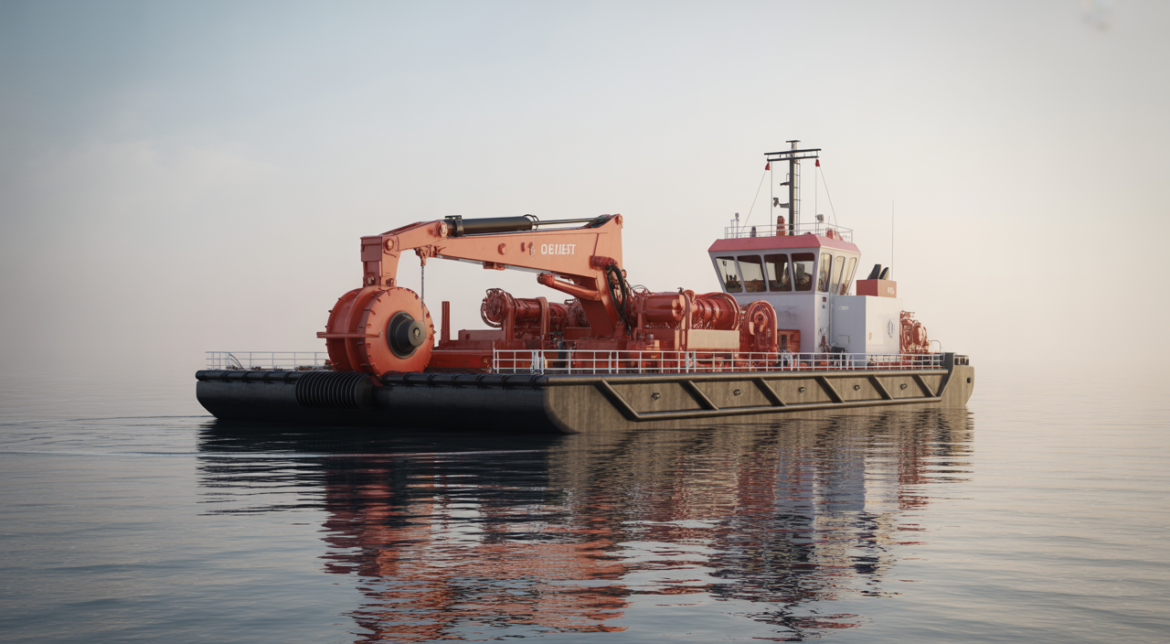
In simple words, a hydraulic dredge is a machine that sucks a mixture of water and soil, called slurry, from the bottom of a water body and pumps it away through a pipeline. This method is fast, continuous, and ideal for large volumes. For Indian investors and project owners, it offers an efficient way to protect assets like jetties, intake channels, and mining pits.
This guide explains the basics, key selection factors, cost and return on investment, and practical tips so you can move from research to confident purchase.
What is a hydraulic dredge?
A hydraulic dredge uses powerful pumps and hydraulic suction to move sediments like silt, sand, and gravel from the bottom of rivers, lakes, ponds, or coastal areas. Instead of lifting material in buckets, it creates a slurry and transports it through a pipeline directly to a disposal site or processing plant.
This type of dredging is popular for navigation channels, industrial ponds, ash lagoons, sand mining, and environmental dredging projects where accuracy and controlled transport are important.
Key components and how it works
While designs vary, most hydraulic dredging equipment has a few common parts:
- Cutterhead or suction head: Loosens compacted material and feeds it into the pump.
- Dredge pump: A heavy-duty slurry pump that handles solids and moves the mixture through the pipeline.
- Power unit: Diesel or electric engine that drives the pump and hydraulic systems.
- Hull or platform: Floats and supports the machinery on water.
- Pipeline system: Carries the slurry to a disposal site, reclamation area, or processing plant.
The process is simple. The cutterhead agitates the bed, the pump sucks in water and solids, and the mixture flows through the discharge pipeline. Operators control depth, pump speed, and cutter speed to match site conditions and stay within environmental limits.
Main types of hydraulic dredge
Different projects need different designs. Here are the most common types you will compare.
- Plain suction dredge: Uses suction only, without a rotating cutterhead. Best for loose silt or fine sand.
- Cutter suction dredger: Has a rotating cutter at the suction mouth to break up clay, compacted sand, or light rock. Ideal for tougher materials and precise channel shaping.
- Trailer suction hopper dredger: A self-propelled vessel that sails, sucks sediment into an onboard hopper, and then sails to a disposal or reclamation area. Used mainly for coastal and port projects.
- Portable / small dredge: Compact, often modular units suited for ponds, industrial basins, mining pits, and smaller lakes.
For many Indian projects, a portable cutter suction or small trailer-mounted unit balances performance, mobility, and cost effectively.
How to select the best hydraulic dredge for your project
Choice should not be guesswork. A structured approach ensures that your investment delivers value over many seasons.
Match depth and flow rate to your site
Start with basic technical data:
- Required dredging depth: Maximum working depth decides the ladder length and power needed.
- Target production: How many cubic metres per hour or per day you must move to meet your schedule.
- Pumping distance and elevation: Longer pipelines or higher discharge points need higher pump head and possibly a booster pump.
Share these numbers with the supplier so they can size the pump, engine, and pipeline correctly. Undersized equipment leads to delays, while oversizing wastes money and fuel.
Consider material characteristics
Not all sediments behave the same inside a slurry pump dredge. Key factors include:
- Grain size: Fine silt and clay flow easily, while coarse sand and gravel need more power.
- Density: Heavier material increases wear on the pump and pipeline.
- Debris content: Trash or vegetation may require special screens or a different suction head.
For very soft sediments, a plain suction unit may be enough. For compacted sand, a cutterhead dredger usually provides better productivity.
Custom vs standard models
Many suppliers offer standard models with proven dredge pump performance, which often reduces cost and delivery time. However, custom options can be valuable for:
- Special power configurations, such as electric drive for plants with stable grid supply
- Unique hull sizes to fit narrow canals or small ponds
- Automation features or remote dredging systems for safety and efficiency
For Indian investors planning multiple projects over several years, it can be wise to start with a standard model and add selected custom features relevant to local conditions.
Cost and ROI analysis for a hydraulic dredge
Buying a hydraulic dredge is a major capital decision, but over time it can be cheaper than hiring contractors year after year. Look at both cost and savings.
Key cost factors
- Initial purchase price: Depends on size, power, automation level, and accessories like booster pumps or longer pipelines.
- Mobilisation and demobilisation: Transporting the unit to and from remote Indian project sites.
- Fuel and power: Higher flow rates and longer pumping distances raise fuel use.
- Maintenance: Wear parts like pump liners, impellers, and cutter teeth need regular replacement.
To judge value, compare cost per cubic metre of sediment removed, not just the purchase price. A more efficient system can pay back faster through higher production and lower downtime.
Simple ROI view for Indian investors
As a basic approach, estimate:
- Average annual volume to be dredged in cubic metres
- Market rate per cubic metre when hiring contractors
- Your own expected cost per cubic metre with in-house dredging (fuel, labour, parts, finance)
The difference, multiplied over several years, will show how soon the investment can recover. When local labour costs are competitive and utilisation is high, ROI can be very attractive.
Environmental and regulatory considerations
Regulators increasingly expect low-impact environmental dredging. A well-managed project protects both water quality and community relations.
Important points include:
- Water quality control: Managing turbidity, or cloudiness in water, by adjusting pump speed and using silt curtains where needed.
- Sediment testing: Checking for contaminants before deciding on disposal or reuse.
- Disposal planning: Choosing suitable containment areas, reclamation zones, or treatment processes.
Working with experienced consultants and suppliers can help you meet local guidelines in a smooth and timely way.
Maintenance and troubleshooting tips
Good maintenance keeps your hydraulic dredging equipment productive for many years.
- Follow daily and weekly inspection checklists for pumps, hoses, hydraulic lines, and safety systems.
- Monitor wear on impellers and liners; timely replacement protects the rest of the system.
- Keep detailed logs of fuel use, output, and running hours to detect early performance drops.
Many owners also schedule annual overhauls outside the monsoon season to be fully ready when water levels are suitable for dredging.
Why partner with a specialist supplier
For complex projects, working with a focused dredging supplier reduces risk. You benefit from tested designs, strong after-sales support, and access to technical advice on sediment removal methods, dredging equipment cost, and long-term planning.
To explore related technology, you can also read about enhancing productivity with auger dredge systems, which share many principles with modern hydraulic solutions.
If your site involves ponds or lagoons, it is also helpful to understand the importance of industrial pond dredging for long-term water quality and asset protection.
Conclusion: Turn research into action
A well-selected hydraulic dredge can deliver faster sediment removal, lower cost per cubic metre, and safer, cleaner waterways. When you match depth, material, and pumping distance with the right type and size, the investment can pay off quickly, especially for Indian ports, mines, and industrial facilities facing regular siltation.
The next step is clear. Gather your project data, discuss site conditions with experts, and request detailed proposals. With the right partner and machine, your dredging program can shift from a recurring headache to a strategic advantage.
FAQs
Q1. Is a hydraulic dredge suitable for small ponds and lakes in India?
Yes, many models are designed for small water bodies. Compact, portable units can be launched from a simple ramp, handle modest depths, and are ideal for farm ponds, temple tanks, golf course lakes, and industrial reservoirs.
Q2. How long does a typical hydraulic dredge last?
With proper operation and regular maintenance, a quality dredge can remain in service for 15 to 25 years or more. Key wear parts are designed to be replaced, so the main structure and power system can support many projects over its life.

Seth Hatfield, a maverick in the realm of writing, seamlessly weaves tales from the world of construction and beyond. With a unique blend of insight and creativity, he invites readers on a journey through his diverse repertoire of articles.