
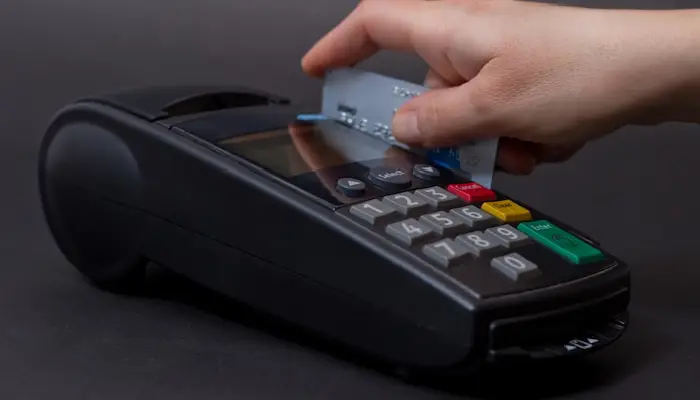
In today’s fast-paced and increasingly digital world, businesses are relying more on credit card machines to process payments efficiently. Whether you’re running a small local shop, a restaurant, or an online business in the UK, the security of your credit card machine is paramount. As a business owner, you must understand the risks involved and take necessary measures to protect both your business and your customers.
In this article, we’ll explore the importance of credit card machine security, common risks, and the best practices to ensure your payment systems remain safe.
Understanding Credit Card Machine Security
Credit card machine security refers to the measures and technologies used to protect sensitive payment information during transactions. This includes data encryption, secure processing, and authentication methods designed to prevent fraud or unauthorized access to customer credit card details.
As the UK continues to embrace card payments, it’s essential for business owners to ensure they are compliant with relevant security standards and equipped with the most up-to-date technology to protect both customer and business data.
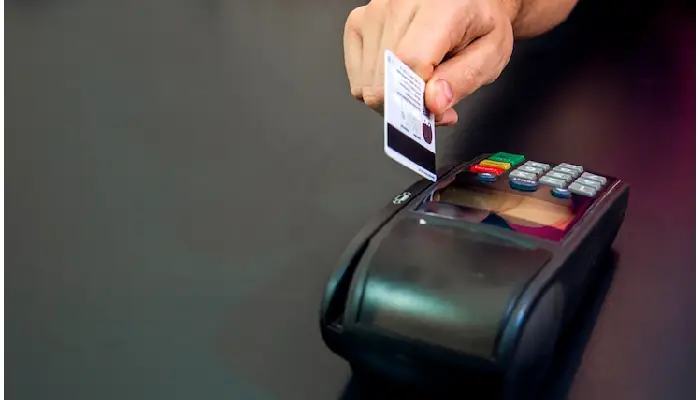
Common Security Threats To Credit Card Machines
Credit card machines, like any technology, are vulnerable to various security threats. These threats can range from cyberattacks and data breaches to physical tampering. Here are some of the most common security risks that business owners should be aware of:
- Data Breaches
A data breach occurs when sensitive payment information, such as credit card details, is accessed or stolen without authorization. This can happen if a hacker gains access to your payment systems through weak passwords or unprotected networks. Data breaches can lead to identity theft and financial loss for both customers and businesses.
- Skimming
Skimming is a type of fraud where criminals attach a device (called a skimmer) to a credit card machine to capture card information during a legitimate transaction. This is typically done at unattended payment terminals such as those at ATMs or in public places. Skimming devices are designed to look inconspicuous, making it difficult for customers or business owners to detect them.
- Malware and Ransomware Attacks
Cybercriminals can use malware and ransomware to infiltrate your credit card machine’s systems. Once inside, they can access sensitive payment information, or lock your machine and demand a ransom to restore access. Such attacks are especially dangerous if your payment system is not up-to-date with the latest security patches.
- Phishing Scams
Phishing scams are fraudulent attempts to acquire sensitive information by posing as legitimate sources, such as your bank or credit card provider. Hackers may send phishing emails or messages designed to trick business owners or customers into revealing card details, login credentials, or other sensitive information.
Key Security Standards For Credit Card Machines In UK
In the UK, businesses must adhere to certain security standards to ensure the protection of cardholder data. The most important of these are set by the Payment Card Industry Data Security Standard (PCI DSS). Here’s a closer look at the key requirements:
Encryption
Encryption is the process of converting data into a code that can only be decrypted with a key. It is a critical part of protecting sensitive customer information during credit card transactions. Businesses in the UK must ensure that all payment data, including cardholder information and transaction details, is encrypted both during transmission and storage.
Tokenization
Tokenization replaces sensitive credit card information with a unique code or token. This token has no value outside the context of the transaction, making it difficult for hackers to access or use stolen information. Tokenization is an effective method of securing credit card machines and reducing the risks associated with data breaches.
Authentication and Authorization
Strong authentication measures, such as multi-factor authentication (MFA), help ensure that only authorized personnel can access your payment system. This reduces the chances of unauthorized access, especially when managing online transactions or remote credit card machine setups.
Regular Security Audits
A regular security audit helps identify vulnerabilities and weaknesses within your payment systems. By performing routine audits, you can assess the performance of your credit card machine security, address any issues, and keep your payment systems compliant with industry standards.
Choosing The Right Credit Card Machine UK
Selecting the right credit card machine for your business is crucial for maintaining a secure payment environment. As a business owner, you should look for machines and systems that are designed with robust security features. Here are some important considerations when choosing a credit card machine in the UK:
1. Compliance with PCI DSS
Ensure that any credit card machine you choose complies with PCI DSS standards. Machines that are PCI compliant are designed to meet security requirements, offering encryption and protection against fraud.
2. EMV Chip Technology
EMV (Europay, MasterCard, and Visa) chip technology is more secure than traditional magnetic stripe cards. Credit card machines equipped with EMV chip readers provide an added layer of security by generating a unique transaction code for every payment.
3. Contactless Payments
Contactless payments, powered by Near-Field Communication (NFC) technology, offer a fast and secure method of payment. This technology minimizes the risks associated with physical card tampering, as there is no need for direct contact with the card machine.
4. Remote Management and Monitoring
Modern credit card machines often come with remote management capabilities. This allows business owners to monitor transactions, track performance, and implement updates or security patches remotely, reducing the need for on-site intervention.
5. Customer Support and Warranty
Choose a provider that offers excellent customer support and guarantees for your credit card machine. In case of security breaches or technical issues, it’s important to have access to timely assistance.
Best Practices To Secure Your Credit Card Machine
To ensure the highest level of protection for your business and customers, follow these best practices:
1. Update Software Regularly
Always update your credit card machine’s software and firmware to protect against vulnerabilities. Manufacturers often release security patches and updates that can strengthen your payment system against new threats.
2. Secure Your Network
Ensure that your Wi-Fi or internet network is secured with a strong password and proper encryption. Using a virtual private network (VPN) can also provide additional security when processing payments.
3. Use Strong Passwords
Set strong passwords for your credit card machine, administrative accounts, and payment gateway. Avoid using easily guessable passwords and change them periodically to reduce the risk of unauthorized access.
4. Employee Training
Train your employees on proper credit card machine security practices. They should be aware of common fraud schemes, such as skimming, and know how to recognize suspicious activities.
Conclusion
As a business owner in the UK, securing your credit card machine is essential to protect your business, your customers, and your reputation. By understanding the security risks involved, adhering to best practices, and selecting the right credit card machine for your business, you can significantly reduce the chances of a security breach. Implementing encryption, tokenization, and other security measures will ensure that your credit card transactions remain safe, giving both you and your customers peace of mind.
Resource URL:

Meet Billy Bean, a tech aficionado with a knack for decoding the latest digital trends. With a background in software engineering, Billy dives deep into emerging technologies, from AI to blockchain, offering expert insights in digestible bites. Stay ahead of the curve with Billy as your guide through the fast-paced world of innovation.