
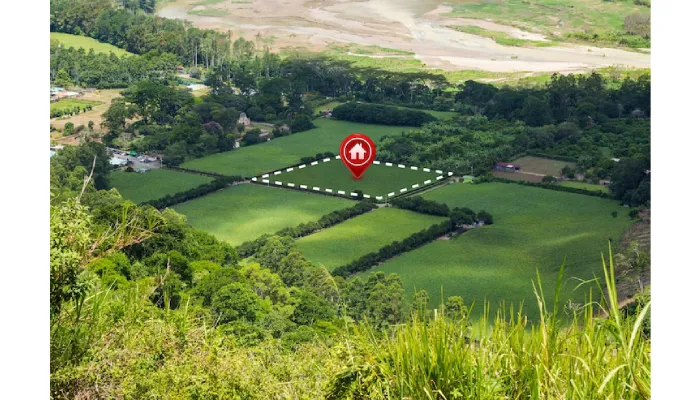
Buying land in Florida without a realtor requires careful planning and research. First, define your goals and budget, considering factors like location, lot size, utilities availability, and zoning restrictions. It’s important to perform a title search to confirm ownership and uncover any liens or disputes. Hire a surveyor to check boundaries and visit the site yourself. Negotiating directly with sellers can save fees but be sure to use a clear written agreement with contingencies included. Finally, work closely with a real estate attorney during closing for legal security and smooth transfers.
Preliminary Considerations Before Buying Land in Florida
Before buy land in Florida without a realtor, start by clearly defining why you want the land. Whether for building a home, farming, or investing, your purpose shapes many decisions. Set a realistic budget that covers not just the purchase price but also extra expenses like land surveys, permits, property taxes, and utility hookups. Location matters: consider how close the land is to your workplace, schools, shopping centers, and hospitals. Decide if you prefer an urban, suburban, or rural setting since each offers different benefits and challenges. Evaluate the lot itself, size and shape affect what you can do with it. Check for terrain features such as slopes, wetlands, or flood plains, which can limit use or increase costs. Confirm whether utilities like water, sewer, electricity, gas, and internet are readily available or if you’ll need to install a well, septic system, or bring in power lines. Research the local property tax rates and zoning laws to ensure your intended use, residential, commercial, or agricultural, is allowed. Also, look into any legal restrictions like easements, right-of-ways, or homeowners association rules that might limit how you use the land. Given Florida’s climate, assess environmental risks such as flood zones, hurricane exposure, and soil erosion. Understanding local building codes and setback requirements is important, as they can impact your construction plans. Finally, consider any planned developments nearby, like new roads or commercial projects, which may affect your land’s value or usability. Be prepared for additional costs related to land clearing, grading, and connecting utilities, as these can significantly increase your total investment.

Where to Find Land for Sale Without a Realtor?
If you’re looking to buy land in Florida without involving a realtor, there are several effective ways to find properties being sold directly by owners or through alternative channels. Checking county tax collector or property appraiser websites can uncover tax lien sales, surplus land, or upcoming auctions where land is sold without realtor involvement. Local newspapers, community bulletin boards, and flyers remain valuable for discovering land sale postings that might not be online. Driving or walking through neighborhoods where you’d like to buy can reveal ‘For Sale’ signs on vacant lots that private owners placed themselves. Contacting local government offices can provide information on public sales or surplus land available at a lower cost. Building connections with locals such as farmers, builders, or long-time residents can lead to insider knowledge about landowners considering selling but not advertising widely. Additionally, joining Florida real estate forums or social media groups focused on land sales helps you network directly with sellers or those in the know. Attending local land auctions or foreclosure sales is another way to find land without a realtor, often at competitive prices. Combining these methods increases your chances of finding the right property while keeping the process independent and potentially more cost-effective.
Conducting Thorough Research and Due Diligence
Before buying land in Florida without a realtor, thorough research and due diligence are crucial to avoid costly mistakes. Start with a detailed title search to confirm clear ownership and uncover any liens, mortgages, or unpaid taxes attached to the property. This step helps ensure you’re buying from the rightful owner and that there are no hidden financial burdens on the land. Next, hire a professional surveyor to accurately mark the property boundaries, verify the acreage, and identify any encroachments or easements that could affect your use of the land. Visiting the property in person is equally important to assess access roads, topography, soil condition, and check for wetlands or flood plains that might limit development or require special permits. You’ll also want to research local zoning and land use regulations to confirm the property can be used as you intend, whether for residential, commercial, or agricultural purposes. Understanding these restrictions early prevents surprises after purchase. Don’t overlook the availability and cost of connecting utilities like water, sewage, electricity, and internet, sometimes connecting these can be expensive or require permits. If the property is near protected areas or bodies of water, reviewing environmental reports or assessments is necessary to identify any limitations or required mitigation. Having a real estate attorney review all contracts, disclosures, and title documents ensures legal issues are caught before closing. To confirm you’re paying a fair price, consider hiring a licensed appraiser to evaluate the property’s market value. Finally, investigate the land’s history including previous owners, past land use, and any disputes recorded in public records. All these steps together build a solid understanding of the property and reduce risks when buying land without a realtor in Florida.
How to Negotiate Land Purchase Without a Realtor?
Start by reaching out to the seller directly with a clear and professional expression of your interest. This direct contact helps build trust and opens the door for straightforward communication. Prepare a written offer that clearly states your proposed purchase price, deposit amount, any contingencies you require, and a suggested timeline for closing. Contingencies should cover important aspects like a clear title, satisfactory survey results, financing approval, and zoning compliance to protect your interests. Be prepared to negotiate not only the price but also terms such as the closing date, any included items, or seller concessions. Without a realtor involved, you avoid commission pressures, which can make negotiating more flexible and potentially more favorable. Offering earnest money can show good faith, but ensure it is refundable if any contingencies are not met to avoid losing funds unfairly. Always request written disclosures from the seller about the property’s condition, boundaries, and any known issues. Use a standard Purchase and Sale Agreement template or have an attorney draft one, so all agreed terms are clearly documented and enforceable. Discuss and agree on who will cover closing costs, inspections, and related fees before finalizing the deal. Never rely on verbal agreements alone, put every detail in writing to protect both parties. Finally, practice patience and remain open to compromise; reaching an agreement often requires flexibility to satisfy both buyer and seller.
Financing Options for Buying Land in Florida
When buying land in Florida without a realtor, understanding your financing options is crucial. Paying cash is often the simplest route and can give you an edge in negotiations since sellers prefer quick, straightforward deals. However, if cash isn’t an option, explore specialized land loans. These are designed for undeveloped properties but typically require a larger down payment and come with higher interest rates compared to traditional mortgages. For lots that already have access to utilities and building permits, lot loans might offer better terms. If you plan to build right away, consider construction loans, which release funds as your project progresses, or construction-to-permanent loans that convert to a regular mortgage after the build is complete. It’s important to shop around with local banks, credit unions, and lenders familiar with Florida’s land market, since requirements and rates can vary widely based on location, zoning, and intended land use. Keep in mind that lenders usually require more documentation and have stricter qualifications for land loans. Also, budget for extra costs such as surveys, environmental reports, and title insurance, which lenders often mandate. Before signing any loan, carefully review terms like interest rates, loan length, and any prepayment penalties to avoid surprises down the road.
Step-by-Step Closing Process Without a Realtor
Start by hiring a licensed real estate attorney in Florida to oversee the closing process and prepare all necessary documents. Your attorney will coordinate with the seller, lender, and title company or escrow agent to find a closing date that fits everyone’s schedule. Next, order a title search and review the results carefully to ensure the land title is free from liens, disputes, or other issues. The attorney will also help you obtain title insurance to protect your ownership. Before closing, review the Closing Disclosure and ALTA Settlement Statement, which detail all costs, fees, and payments involved in the transaction. On closing day, prepare to sign key documents such as the deed, promissory note (if you’re financing), and other required forms under Florida law. Funds are typically transferred through an escrow account managed by your attorney or the title company, so the money is safely held until the transaction is complete. You’ll attend the closing meeting either in person or via remote signing, where you and the seller finalize the deal by signing documents and transferring funds. Afterward, confirm that the deed is properly recorded with the county clerk’s office to officially transfer ownership to you. Make sure to keep copies of all signed documents and your title insurance policy for your records. Finally, follow up on any post-closing tasks, such as notifying utility providers or local tax offices about the change in ownership, to avoid future complications.
Advantages and Challenges of Buying Land Without a Realtor
Buying land in Florida without a realtor can save you a significant amount of money, mainly by avoiding commissions that typically range from 5 to 6 percent of the purchase price. This direct approach also lets you negotiate terms straight with the seller, which can sometimes lead to more flexible agreements and quicker closings. Additionally, handling the process on your own means you control every step, from timelines to decisions, without external pressure or influence. Managing the research and paperwork personally often results in a deeper understanding of the property and transaction details. However, there are notable challenges to consider. Without a realtor’s market insight, you might overpay or miss critical issues affecting the land’s value or usability. Handling legal documents and negotiations yourself increases the risk of errors or agreeing to unfavorable terms. The process can become time-consuming, especially when coordinating with surveyors, attorneys, and title companies. You’ll need to independently verify zoning, permits, and local regulations to avoid unexpected restrictions. Marketing or reselling the land later could also be more difficult without professional guidance. Lastly, missing essential inspections or skipping due diligence steps, something realtors usually manage, can expose you to costly problems down the road.
Common Mistakes to Avoid When Buying Land
One of the biggest mistakes buyers make is skipping a comprehensive title search. Without this, you might inherit liens or face ownership disputes that can cost you time and money later. It’s also critical not to ignore zoning rules and land-use restrictions. For example, if you plan to build a home but the land is zoned agricultural, your project could be blocked. Another common error is failing to physically inspect the property. Photos and descriptions don’t reveal access problems, poor soil, or unclear boundaries. Many buyers underestimate extra expenses such as land clearing, utility hookups, survey fees, and property taxes, which can add up quickly.
Not hiring a qualified real estate attorney to review contracts and oversee the closing process is risky. Legal oversights here may lead to costly issues. Similarly, skipping a professional land survey can cause boundary disputes or missed easements. Always require all agreements in writing; relying on verbal promises leaves you unprotected. Checking flood zones, environmental hazards, and protected areas is another step often overlooked. These factors might limit how you can use your land.
Rushing negotiations or the closing without proper due diligence and contingencies can result in unfavorable terms or surprises after the sale. Lastly, don’t assume all land loans are the same. Terms and lender requirements vary, so compare options carefully to find the best fit. Avoiding these pitfalls helps ensure your land purchase in Florida goes smoothly and meets your goals.
When to Seek Professional Help?
Buying land without a realtor means taking on many responsibilities yourself, but there are key moments when professional help is essential to avoid costly mistakes. A real estate attorney should be hired to review purchase agreements, handle closing, and resolve any title issues that arise. A licensed surveyor is important to confirm exact property boundaries and uncover any encroachments or easements that might impact your use of the land. Engaging a title company or escrow agent ensures a thorough title search is completed and provides title insurance to protect your ownership rights. To verify the asking price is fair, consulting an appraiser who can compare recent sales in the area is wise. Local land use or zoning experts can clarify any restrictions or permits required for your intended use, helping you avoid surprises later. If financing the purchase, working with lenders or financial advisors familiar with land loans will help you choose the best loan option suited to your situation. When the property is near wetlands or protected areas, environmental consultants can assess risks that might affect development or land value. Professional inspectors should evaluate soil quality, flood risks, and utility connections to ensure the land is suitable for your plans. Before finalizing the deal, checking with local government offices to verify tax status and uncover any outstanding assessments is prudent. Lastly, if you prefer a hands-off approach at closing, hiring a closing agent or settlement company can simplify the final transaction steps, ensuring everything is handled smoothly and legally.
Summary of Steps to Buy Land in Florida Without a Realtor
Start by clearly defining your goals for the land and setting a budget that covers all costs, including purchase price, taxes, and improvements. Search for land using online listings, local government resources, and by driving through areas you’re interested in. Perform thorough due diligence: conduct a title search to confirm ownership and check for liens, get a land survey to verify boundaries and conditions, confirm zoning rules and utility availability, and have a real estate attorney review all legal documents. Negotiate directly with the seller by presenting a written offer that includes contingencies like financing approval and clear title. If financing is needed, explore options such as cash, land loans, or construction loans based on your plans. Early on, hire a Florida real estate attorney to assist with contracts and to manage the closing process. At closing, sign all necessary documents, transfer funds through escrow, and ensure the deed is recorded with the county. Obtain title insurance to protect your investment and keep all transaction records safe. Finally, proceed with development or hold the land as planned, while staying updated on local regulations and market trends to maintain your property’s value and compliance.

Seth Hatfield, a maverick in the realm of writing, seamlessly weaves tales from the world of construction and beyond. With a unique blend of insight and creativity, he invites readers on a journey through his diverse repertoire of articles.