
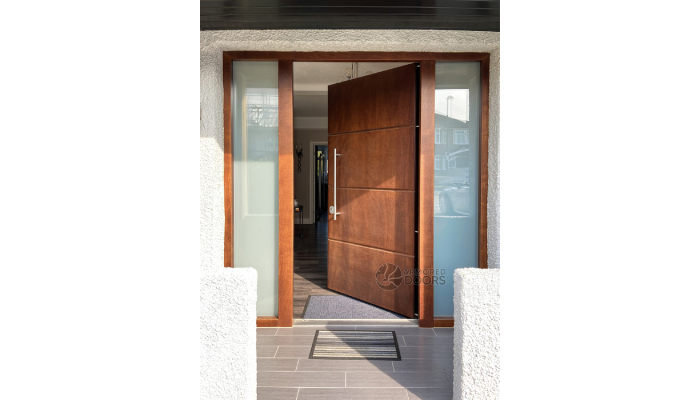
Safe room doors are more than just an entry point — they’re your first line of defense in emergencies such as home invasions, natural disasters, or severe weather events. Investing in high-quality safe room doors is a wise decision, but to ensure they function effectively when you need them most, proper maintenance and care are essential.
In this guide, we’ll discuss practical steps to maintain, clean, and inspect safe room doors, so they remain strong, secure, and ready for use at any time.
1. Understanding Safe Room Doors and Their Importance
Safe room doors are specifically designed to resist forced entry, withstand extreme impacts, and provide a secure barrier against threats. Unlike standard home doors, they are built with reinforced steel, solid core materials, or ballistic-rated panels.
Proper care ensures:
- Longevity – Prevents rust, wear, and mechanical damage.
- Functionality – Locks and hinges operate smoothly in emergencies.
- Safety – No compromise on structural strength when it matters most.
Neglecting maintenance can lead to weakened locking systems, corrosion, or even complete door failure.
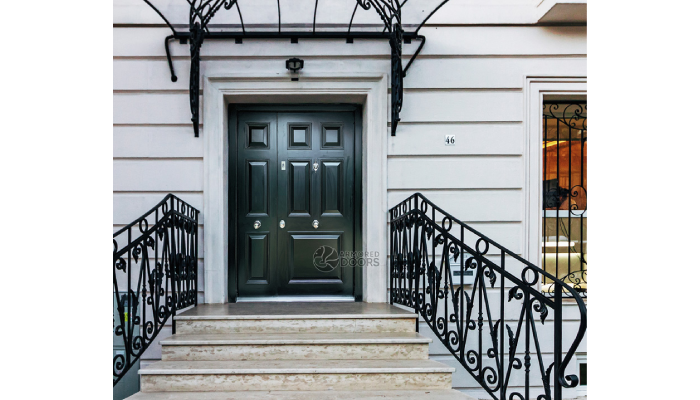
2. Regular Cleaning and Surface Care
Dirt, dust, and moisture can gradually affect the appearance and durability of your safe room door. Here’s how to keep it in top condition:
a) Dusting and Wiping
- Use a soft microfiber cloth to remove surface dust weekly.
- Avoid using abrasive materials that can scratch protective coatings.
b) Deep Cleaning
- Mix mild soap with warm water and wipe down the surface.
- For metal doors, ensure all soap residue is removed to prevent corrosion.
- For painted or powder-coated doors, avoid harsh chemicals that strip protective finishes.
c) Rust Prevention (For Steel Doors)
- Inspect for small rust spots, especially near hinges and edges.
- Treat minor rust with a fine-grit sandpaper and touch-up paint designed for metal.
- Apply a rust-resistant sealant once a year for added protection.
3. Inspecting the Locking Mechanism
The locking system is the heart of safe room doors. Whether you have a manual deadbolt, electronic keypad, or biometric lock, it must be in perfect working condition.
Inspection Tips:
- Test monthly to ensure smooth locking and unlocking.
- Check for any stiffness or difficulty turning the lock — this could indicate dirt or mechanical wear.
- Tighten any loose screws or hardware immediately.
Lubrication
- Use a graphite-based or silicone spray lubricant on locks every six months.
- Avoid using oil-based lubricants as they attract dust and grime.
4. Hinge and Frame Maintenance
Even the strongest safe room doors rely on well-functioning hinges and frames. Over time, hinges may loosen, squeak, or misalign.
Steps to maintain hinges:
- Inspect quarterly for loose screws, rust, or warping.
- Tighten screws with the correct screwdriver to avoid stripping.
- Apply a drop of lubricant to hinge pins for smooth movement.
Frame care:
- Ensure the frame is free from cracks, chips, or warping.
- If your safe room is in a high-moisture area, consider installing weatherstripping to prevent corrosion.
5. Checking Seals and Weatherproofing
Many safe room doors include weather seals to keep out dust, moisture, and even smoke.
- Check the rubber or foam seals twice a year for wear or cracking.
- Replace damaged seals to maintain airtightness and insulation.
- If your safe room is designed for storm protection, damaged seals can compromise safety — never ignore them.
6. Digital and Electronic Lock Care
If your safe room door features an electronic keypad, smart lock, or biometric scanner, regular upkeep is crucial:
- Clean gently with a soft, dry cloth — avoid water or harsh cleaners near electronics.
- Replace batteries proactively — don’t wait for low battery alerts.
- Keep a backup mechanical key accessible in a secure location.
7. Testing Emergency Functionality
Your safe room door should be tested periodically under realistic conditions to ensure everything works as intended.
- Practice emergency locking and unlocking with all authorized users.
- Check that the door closes completely without sticking or gaps.
- In case of power outages, verify that manual override functions correctly.
8. Professional Inspection and Servicing
While regular DIY maintenance goes a long way, having a professional inspection once every 1–2 years ensures no hidden issues are missed.
A professional can:
- Assess door alignment and frame integrity.
- Test ballistic or storm-rated performance.
- Replace worn components before they fail.
This is especially important if your safe room door is part of a FEMA-compliant storm shelter or ballistic protection setup.
9. Avoiding Common Mistakes in Safe Room Door Care
- Neglecting lubrication – This can cause lock and hinge stiffness.
- Using abrasive cleaners – Can damage protective finishes.
- Ignoring small rust spots – These can spread and weaken the metal.
- Not training family members – Everyone should know how to operate the door in an emergency.
10. Safety Tips for Long-Term Reliability
- Keep the door clear of obstructions inside and outside.
- Store an emergency tool kit (flashlight, extra lock keys, backup batteries) in the safe room.
- If possible, install a door status indicator for remote monitoring.
Conclusion
Safe room doors are a critical security investment, and their effectiveness depends heavily on regular maintenance. From cleaning surfaces and lubricating locks to inspecting hinges and seals, these small actions ensure your door remains reliable for years to come.
By following this maintenance checklist, you’re not only extending the lifespan of your safe room doors but also ensuring that, in an emergency, you can trust them to perform without hesitation.
Whether you use your safe room for storm protection, home security, or both, a well-maintained door could make all the difference when every second counts.
Resource URL:
https://www.armored-doors.com/armadillo-classic
https://en.wikipedia.org/wiki/Safe_room

Seth Hatfield, a maverick in the realm of writing, seamlessly weaves tales from the world of construction and beyond. With a unique blend of insight and creativity, he invites readers on a journey through his diverse repertoire of articles.