
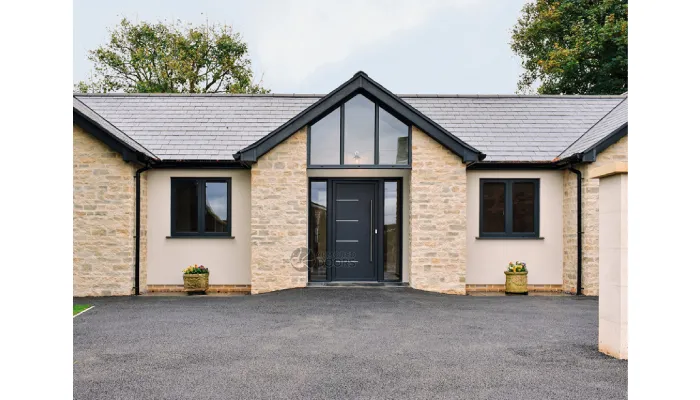
To keep your room doors lasting longer, regular care is really important. Start by cleaning the door and frame with a soft cloth to remove dust and dirt, which can cause wear over time. Check the hinges often and apply some lubricant if they start to squeak or feel stiff. Make sure screws are tight but don’t overtighten them since that can damage the door hardware. Avoid slamming doors hard because it strains both hinges and frames. If you notice any cracks or warping in wooden doors, address them early before they get worse. Simple maintenance like this helps doors work smoothly and stay secure for years.
1. Regular Inspection of Door Frames and Hinges
Regularly inspecting your door frames and hinges is key to keeping safe room doors functional and long-lasting. Every few months, check the frames for cracks, warping, or any damage that could weaken the door’s structure. Pay close attention to wooden frames for signs of wood rot or insect damage, as these issues can quickly worsen if unnoticed. Hinges need a thorough look too: watch for rust, bent parts, or loose screws, which can cause the door to sag or stick. Using a screwdriver, tighten any loose hinge screws you find to keep the door swinging smoothly. Test the door’s motion by opening and closing it to ensure it doesn’t stick or make unusual noises, which often signal hinge problems. Also, look for gaps between the door and frame, since they can affect insulation and security. Don’t forget to examine the threshold for wear or damage that might let in drafts or water. Checking the condition of weather stripping near the frame during these inspections helps maintain proper sealing. Scheduling these inspections seasonally allows you to catch small issues early, preventing costly repairs down the line.

2. Cleaning and Lubricating Lock Mechanisms
To keep your room door locks working smoothly and lasting longer, start by removing dust and debris with a soft brush or compressed air. Avoid spraying oil-based lubricants like WD-40 for long-term use, as these can attract dirt and gum up the mechanism. Instead, apply graphite powder or a silicone-based lubricant sparingly to both the interior parts, such as the cylinder and deadbolt, and the exterior components. After applying lubricant, operate the lock several times to evenly distribute it inside. If the keyhole feels sticky, gently clean it with a cotton swab dipped in rubbing alcohol. Be careful not to over-lubricate, since excess lubricant can build up and cause problems. Regularly check for rust or corrosion on the lock’s exterior and clean it with a mild solution if needed. Also, replace worn or damaged keys promptly to avoid jamming and unnecessary wear on the lock. Performing this cleaning and lubrication routine at least twice a year, or more often in dusty environments, will help maintain reliable lock function and extend the life of your door hardware.
- Use a soft brush or compressed air to remove dust and debris from locks.
- Apply graphite powder or silicone-based lubricant instead of oil to avoid attracting dirt.
- Avoid using WD-40 long term as it can gum up the lock mechanism.
- Operate the lock several times after lubrication to spread it evenly inside the cylinder.
- Clean keyholes gently with a cotton swab dipped in rubbing alcohol if sticky.
- Check the lock’s exterior for rust or corrosion and clean with a mild solution if needed.
- Lubricate both the interior and exterior lock parts including deadbolts and latch bolts.
- Do not over-lubricate as excess lubricant can cause buildup inside the lock.
- Replace worn or damaged keys to prevent jamming and wear on the lock.
- Perform this cleaning and lubrication routine at least twice a year or more in dusty environments.
3. Checking and Replacing Weather Stripping
Weather stripping plays a key role in keeping your room doors safe and energy-efficient. Start by inspecting the strips around your door for cracks, gaps, or signs of compression that can let drafts in. You can test for leaks by running your hand along the edges or using a candle flame to spot any flickering caused by air movement. When it’s time to replace, pick a weather stripping material that fits your door type and climate, like foam tape for moderate conditions or rubber gaskets for harsher environments. Carefully remove the old stripping without damaging the door frame, then measure and cut the new material precisely to ensure a snug fit on all sides. Firmly press or nail the new weather stripping into place so it doesn’t shift over time. After installation, check that the door closes smoothly without needing extra force. It’s a good idea to replace weather stripping every few years or sooner if it looks worn out. Also, consider adding a door sweep at the bottom to seal any gaps there. Keeping the weather stripping clean from dirt and debris will help it last longer, maintaining the door’s ability to block drafts and moisture effectively.
4. Ensuring Proper Alignment of Door Components
Proper alignment is key to keeping room doors functioning smoothly and lasting longer. Start by checking that the door hangs evenly within the frame, with consistent gaps on all sides. Using a level, verify both the vertical and horizontal alignment of door frames and panels to spot any shifts. If you notice the door binding or sticking, adjust the hinges by tightening or loosening screws, or repositioning them as needed for a better fit. Don’t forget to inspect the latch and strike plate alignment too, since misalignment here can cause problems locking or unlocking the door. Uneven wear on door edges or frames often signals misalignment, so catch these signs early. If hinges are bent or damaged and can’t be adjusted properly, replace them to avoid further issues. After adjustments, confirm that weather stripping seals well to maintain energy efficiency and protection. Test the door’s operation multiple times to ensure it opens and closes smoothly and consistently. Since heavy use and seasonal changes can cause the door to shift, make it a habit to check alignment regularly to prevent hardware damage and prolong the door’s lifespan.
5. Using Quality Materials for Door Maintenance
Choosing quality materials is key to keeping your room doors safe and lasting longer. Start with weather-resistant paints or finishes that match your door’s material; this helps protect the surface from wear and harsh weather. Use corrosion-resistant screws and hinges, especially if you live in humid or coastal areas, to prevent rust and ensure smooth operation. When lubricating locks and hinges, pick high-grade lubricants made for these parts to avoid damage or buildup. Invest in premium weather stripping that seals better and lasts longer, keeping drafts and moisture out. Solid wood or metal doors generally hold up better over time than cheaper composite ones, so consider upgrading if durability is a priority. Always replace worn parts with components recommended by the manufacturer to maintain the door’s integrity and fit. Use exterior-grade sealants and caulks around the door frame to block moisture that can cause swelling or rot. Buying door hardware with warranties offers peace of mind and support if issues arise. Avoid mixing incompatible materials, like steel screws on aluminum frames without coatings, as this can speed up wear due to corrosion. Finally, keep a stock of key replacement parts handy so you can fix issues quickly and keep your doors functioning properly.
6. Protecting Doors from Moisture and Rust
To keep room doors lasting longer, protecting them from moisture and rust is essential. For wooden doors, applying water-repellent sealants or paint finishes regularly helps prevent moisture absorption that can cause warping or rotting. Metal doors and their hardware need frequent checks for rust spots; treating these immediately with rust inhibitors stops corrosion before it spreads. Proper drainage around door frames is key to avoiding water pooling near the base, which can accelerate damage. Installing door canopies or awnings also reduces direct exposure to rain and snow, adding an extra layer of protection. In enclosed entryways, using dehumidifiers or ensuring good ventilation limits moisture buildup that might otherwise lead to mold or rust. Damaged or missing weather stripping should be replaced promptly to prevent water intrusion. After rain or snow, cleaning and drying door surfaces quickly is a simple yet effective step. Metal parts benefit from regular lubrication with rust-preventive sprays to keep corrosion at bay. Checking door thresholds and bottom edges for any damage is important, as even small cracks can let water seep in. Lastly, avoid planting shrubs or vegetation too close to doors since they can trap moisture against the surfaces, increasing the risk of decay or rust.
7. Securing Doors with Strong Hardware
To keep room doors secure and extend their lifespan, installing strong hardware is essential. Deadbolt locks with at least a one-inch throw bolt provide better resistance against forced entry. Reinforced strike plates fastened with long screws that reach the wall framing add another layer of protection by preventing the door frame from splitting under pressure. For outward-opening doors, hinge bolts or security studs can stop intruders from removing the hinges. It’s also wise to replace any worn or flimsy handles and locks with certified security hardware designed for durability and safety. Adding door viewers or peepholes helps identify visitors without opening the door, while door chains or secondary locks offer extra security when needed. Regularly checking that all locks operate smoothly and keys turn without resistance helps avoid unexpected failures. In high-risk areas, choosing solid core or metal doors enhances protection significantly. Testing security hardware from time to time can catch early signs of wear or damage, preventing potential security lapses. When unsure about the best upgrades or installations, consulting a professional locksmith ensures your door hardware meets safety standards and functions properly.
8. Addressing Wear and Tear Promptly
Dealing with wear and tear on room doors quickly can save a lot of trouble down the road. If you notice cracked or splintered door panels, repairing or replacing them right away prevents further damage and keeps the door sturdy. Loose screws, hinges, or handles should be tightened or swapped out to avoid instability or sagging. When surfaces start to fade or chip, refinishing or repainting protects the wood or material underneath from moisture and decay. Sticking doors can usually be fixed by sanding the edges or adjusting the hinges, which restores smooth operation without needing a full replacement. Worn weather stripping should be replaced to maintain insulation and keep drafts from sneaking in, which also helps with energy efficiency. Locks need regular checks too, any faulty mechanisms should be replaced promptly to keep security tight. Cleaning and restoring hardware finishes not only keeps the door looking good but also prevents rust and corrosion. Don’t forget about the bottom of the door and thresholds; patching or replacing damaged areas here stops moisture from entering, which can cause rot. Speaking of rot, keep an eye on the door frame and repair any damage quickly to maintain structural integrity. Keeping a regular maintenance log helps track repairs and spot recurring problems early, making ongoing care more organized and effective.
9. Testing Door Safety Features Periodically
Regularly testing the safety features of room doors is essential to ensure they work properly when needed. Every few months, check that door locks fully engage and hold securely; a lock that doesn’t catch correctly can pose a security risk. If your door has automatic closing mechanisms like door closers or self-latching devices, test them to confirm they close smoothly without sticking or slamming. Panic bars and emergency exit hardware should operate easily and unlock without resistance, as these are critical during emergencies. Inspect any glass panels for cracks or damage and verify they meet safety standards, such as being tempered or laminated, to prevent injury if broken. If your door includes alarms or sensors, test these regularly to make sure they trigger correctly. Look around the door for obstructions or damage that could block it from opening quickly when needed. Also, test weather stripping and seals to ensure they don’t interfere with the door’s safe operation. Check door hardware for wear, such as loose screws or worn parts, which could affect security or function. If child safety locks are installed, confirm they work properly to keep children safe without compromising emergency exits. For commercial doors, it’s important to schedule professional safety inspections as required by regulations, ensuring all features meet safety codes and function reliably.
10. Professional Servicing for Complex Repairs
For complex repairs like lock rekeying or replacement, hiring certified technicians is essential to avoid damaging the door or security system. If a door is severely warped or damaged, professionals should handle realigning or rehanging to ensure proper fit and function. Structural issues, such as replacing door frames or addressing major damage, require expert consultation to maintain safety and durability. Installing advanced security features or smart locks is best left to specialists who understand the technology and integration. When moisture damage or mold is suspected around door areas, professional assessment is necessary to prevent further decay. Historic or custom doors often need expert refinishing or restoration to preserve their value and appearance. Commercial or high-traffic doors benefit from routine inspections by professionals to catch issues early. Licensed contractors should be engaged for electrical work or fire-rated door modifications to meet code requirements. When upgrading doors, seeking advice on material selection from qualified experts can improve longevity and performance. Lastly, keeping detailed records of all professional services helps with warranty claims and future maintenance planning.
Resource URL:
https://www.armored-doors.com/armadillo-classic
https://en.wikipedia.org/wiki/Safe_room

Seth Hatfield, a maverick in the realm of writing, seamlessly weaves tales from the world of construction and beyond. With a unique blend of insight and creativity, he invites readers on a journey through his diverse repertoire of articles.