

Fake ransomware protection services can be tricky to spot, but knowing the signs can save you from scams. First, real ransomware encrypts files, while fake versions often just create phony alerts that demand money without actually locking your data. Look out for red flags such as low ransom amounts or generic messages that lack details about a supposed breach. If a pop-up claims you’ve been infected but lets you close it easily, chances are it’s fake. Always use legitimate antivirus software to verify threats and maintain regular backups of your data, after all, awareness and preparation can significantly reduce risks!
1. Understanding Fake Ransomware
Fake ransomware is a sneaky type of scam that mimics the behavior of real ransomware protection services, but it doesn’t actually encrypt your data. Instead, it creates a false sense of urgency and fear by sending alarming messages to users, urging them to pay to resolve a non-existent threat. Unlike genuine ransomware, which employs complex encryption techniques, fake ransomware relies on psychological manipulation to extort money from its victims. Both individuals and organizations can fall prey to these deceptive tactics, showing that no one is truly immune. The primary goal of fake ransomware is financial gain through intimidation, rather than corrupting or stealing data. This type of scam can be spread through various channels, including phishing emails, malicious websites, or fraudulent software downloads. Understanding the motives behind fake ransomware is crucial; it helps users recognize these threats and respond more effectively. Many scams are opportunistic, taking advantage of current events or popular trends to catch victims off guard. To defend against these scams, practicing skepticism and verifying claims when confronted with alarming pop-up alerts is essential. Building awareness of fake ransomware contributes to a more resilient approach to cybersecurity.
2. Common Characteristics of Fake Ransomware
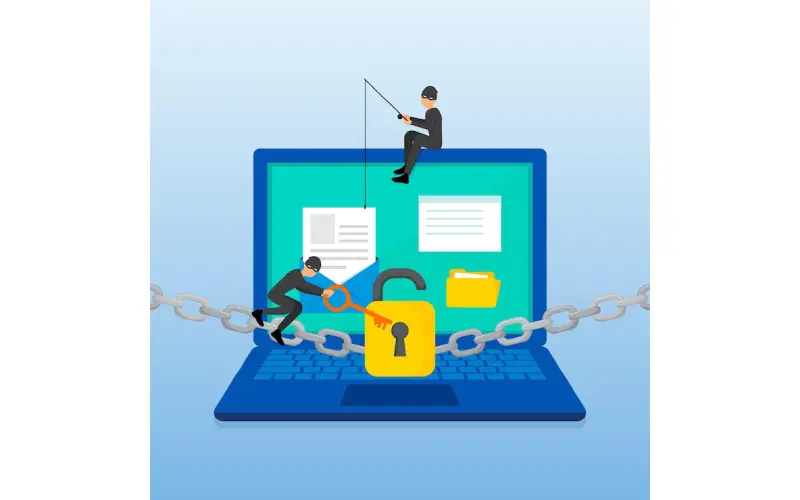
Fake ransomware is often a bluff, using fear to manipulate users instead of encrypting files. One common tactic is to issue ransom demands that seem suspiciously low, which allows scammers to target a larger number of victims, banking on sheer volume. The messages often lack specific details, using generic language that could apply to anyone, making them feel less credible. A major red flag is the absence of proof; legitimate attackers usually provide some evidence of their claims, whether that’s a sample of encrypted files or other indicators of a breach. Furthermore, fake ransomware often fails to offer a clear or traceable payment method, making it difficult to assess its legitimacy. Users might also notice an unprofessional user interface, characterized by poor grammar or awkward phrasing, which can suggest that there’s no real threat at all. Another alarming characteristic is the use of countdown timers, designed to create a sense of urgency that is often exaggerated or completely fabricated. These scams can spread rapidly, frequently utilizing social media or messaging apps to reach unsuspecting users. Messages may contain alarming phrases, threatening to expose sensitive data or charge excessive fees for decryption services. By recognizing these characteristics, users can more easily distinguish between real threats and fear-based scams.
- Fake ransomware typically does not encrypt files, instead using scare tactics to convince users they are at risk.
- The ransom amounts are often suspiciously low, making it easier to target a larger number of victims.
- Messages from fake ransomware lack specificity, often using generic language that could apply to anyone.
- The absence of proof is a significant red flag; real attackers usually provide evidence of their claims.
- Fake ransomware often does not have a clear or traceable payment method, making it difficult to assess legitimacy.
- The user interface may appear unprofessional, with poor grammar or awkward phrasing suggesting a lack of genuine threat.
- Fake ransomware may display countdown timers, creating a sense of urgency that is often exaggerated or entirely fabricated.
3. Signs of a Fake Ransomware Attack
Fake ransomware attacks often use various tactics to create panic and confusion. One common sign is the appearance of pop-up messages claiming that your system is infected. These alerts can pop up unexpectedly, typically lacking the professionalism of legitimate antivirus notifications. If you find yourself able to easily dismiss these alerts, it’s a strong indication that it’s a scam; real ransomware tends to lock screens and prevent users from closing warnings.
Moreover, if you encounter a ransom note but can still access your files without issue, you can bet it’s not a genuine attack. True ransomware typically alters file extensions to prevent access, while fake alerts may just be bluffing. Be cautious if the demands seem oddly reasonable, like a small payment for immediate decryption, as this is often a red flag.
Fake ransomware often resorts to vague threats, such as saying ‘your files will be deleted,’ without providing any specifics. Look out for poorly designed messages filled with spelling errors, as these are telltale signs of illegitimacy. Additionally, if the attackers claim to have compromised personal information but offer no proof, it’s likely just a ploy to instill fear. Finally, generic demands that lack detailed instructions on how to pay or proceed further should make you suspicious. Recognizing these signs can help you steer clear of scams and protect your data.
4. Response Strategies to Fake Ransomware
If you find yourself facing a ransom demand, the first step is to verify the name of the ransomware mentioned in the note. A quick online search can reveal if it’s a known scam, helping you determine your next steps. It’s crucial to use trusted antivirus software to scan your system and remove any potential threats that might be lurking. If you suspect the attack is fake, disconnect from the internet immediately to prevent any further damage or spreading of malware. Regularly backing up important files to secure locations can save you from a lot of trouble, making it easier to recover from ransomware situations, real or fake. If a ransom demand seems confusing or suspicious, do not hesitate to consult with cybersecurity professionals for advice. Engaging with the ransom note itself is risky; paying may not resolve the issue and could lead to more scams down the line. Always document everything: take screenshots of alerts and messages for potential reporting. Educating yourself and your team about recognizing fake ransomware tactics is vital for building a proactive defense. Lastly, consider reporting any fake ransomware attempts to law enforcement or cybersecurity organizations, as this can aid in further investigations. Staying updated on the latest cybersecurity threats and scams is your best armor against future incidents.
5. Psychological Impact of Fake Ransomware
The fear created by fake ransomware can have a profound psychological effect. Individuals and staff members may experience increased stress and anxiety, worrying about the safety of their data even when no real threat exists. This heightened concern can lead to a significant emotional toll, diverting attention away from genuine cybersecurity measures that need focus. For organizations, the reputational damage can be severe, as customers might believe their data is at risk, eroding trust and confidence. Furthermore, the chaos induced by perceived threats can result in costly downtime, impacting productivity as businesses scramble to respond. Employees, feeling overwhelmed and uncertain, may suffer from decreased morale and trust in their IT departments. The emotional strain isn’t confined to the workplace, either; individuals may share their fears with friends and family, spreading anxiety beyond the office. Additionally, victims often face decision fatigue, unsure whether to pay the ransom or ignore the demands, leading to a state of paralysis. Over time, repeated encounters with fake ransomware can foster a heightened sense of paranoia regarding digital safety. Understanding this psychological manipulation can empower users to approach threats with calmness and rationality, rather than fear.
6. Preventative Measures Against Ransomware
Preventing fake ransomware threats hinges on a multifaceted approach. First and foremost, employee training is vital. When employees know how to recognize phishing attempts, they can avoid falling victim to scams that could lead to fake ransomware infections. Additionally, implementing strong access controls ensures that only authorized personnel can access sensitive data, drastically reducing the risk of unauthorized breaches. Regular security audits play a critical role as well; by identifying vulnerabilities before they can be exploited, organizations can stay one step ahead of potential threats.
Fostering a culture of cybersecurity awareness within the organization is essential. Employees should feel comfortable reporting any suspicious activity, creating an environment where vigilance is the norm. Keeping software and systems up to date is another key strategy, frequent updates help reduce the likelihood that vulnerabilities will be exploited by scammers.
Multi-factor authentication adds another layer of security, making it much harder for unauthorized users to gain access to sensitive accounts and systems. An established incident response plan is also crucial, detailing steps to take when fake ransomware threats arise. Regular discussions about current cybersecurity trends help keep the topic relevant and engaging for all employees.
Lastly, having a robust data backup strategy ensures that critical information is protected, regardless of the attack type. Cybersecurity insurance can further mitigate financial losses in the event of a successful attack, providing peace of mind in an increasingly digital world.
7. Utilize Advanced Threat Detection Solutions
To effectively combat fake ransomware protection services, it’s crucial to harness advanced threat detection solutions. Start by employing real-time monitoring tools that keep a close eye on your networks, identifying unusual behavior that could signal ransomware activity. Consider integrating machine learning technologies, which are capable of analyzing patterns and spotting anomalies that might indicate fraudulent attacks. Adding threat intelligence feeds to your arsenal will keep you updated on the latest scams and tactics used by cybercriminals.
Implementing endpoint detection and response (EDR) solutions can provide deeper insights into device activities, helping you recognize potential threats before they escalate. Network segmentation is another smart strategy; by limiting the spread of malware, you can significantly reduce your overall risk if an attack does occur. Regularly reviewing and updating your detection algorithms is essential to stay ahead of new and emerging ransomware threats.
Exploring cloud-based security solutions offers you the flexibility and scalability needed to adapt to the ever-changing landscape of ransomware. Automating your response systems can also be a game changer, allowing you to quickly isolate infected devices and prevent further damage. Lastly, consider partnering with specialized cybersecurity firms, tapping into their expertise for effective ransomware detection and response. Regular training sessions for your staff on these advanced tools will ensure everyone is equipped to handle threats effectively.
Frequently Asked Questions
What signs indicate that a ransomware protection service might be fake?
Look for unrealistic promises, like guaranteed protection without flaws, or claims that seem too good to be true. If they use fear tactics or pressure you into buying quickly, it’s a big red flag.
How can you verify if a ransomware protection service is legitimate?
Check for reviews from real users, look for independent ratings, and see if they have an established history in cybersecurity. Research the company and their track record to gauge their credibility.
What should I do if I suspect a ransomware protection service is not real?
Stop using the service immediately. Search for trustworthy alternatives, and consider consulting a cybersecurity expert to recover any lost data and stay protected.
Are there any common tactics used by fake ransomware protection services?
Yes, common tactics include aggressive marketing, fake testimonials, or offering free trials that don’t actually deliver real protection. They might also use complicated jargon to confuse users.
Can I trust a ransomware protection service with no contact information?
No, if a service lacks clear contact information or support channels, that’s a warning sign. Legitimate companies usually provide ways for customers to reach them easily.
TL;DR Learn how to spot fake ransomware protection services by recognizing characteristics like low ransom demands, generic messages, and the ability to close pop-up alerts. Understand the psychological impact of these scams, and implement effective response strategies such as using legitimate security software and making regular backups. Stay proactive with employee training and advanced threat detection solutions to safeguard against these deceptive tactics.

Seth Hatfield, a maverick in the realm of writing, seamlessly weaves tales from the world of construction and beyond. With a unique blend of insight and creativity, he invites readers on a journey through his diverse repertoire of articles.