

What a “Scam” Requires and Why the Word Gets Used Anyway
A scam requires deliberate deception at the point of agreement. That means false representation intended to extract money. Most situations that lead people to ask whether Aspen Dental is a scam do not meet that standard. The word appears later, after payment, when control shifts and access feels reduced. In practice, “scam” is used to describe a breakdown in follow-through, not proof of deception.
The Moment the Language Changes
The word rarely appears before the first visit. It shows up after commitment.
Common triggers include:
- Full or partial payment completed before recovery is assessed
- Difficulty reaching the office once treatment is underway
- Charges or balances appearing without timely explanation
- Insurance steps becoming unclear after the visit
- Follow-up care not resolving the original issue
At that stage, the patient is no longer deciding. They are trying to regain leverage.
What Patient Reviews Actually Describe After Payment
The following examples reference selected portions of publicly posted Trustpilot reviews. Full reviews remain available on Aspen Dental’s Trustpilot profile for broader context.
Michael, December 29, 2025
Sequence
Michael underwent multiple extractions and left the office after treatment. When anesthesia wore off, he experienced severe pain and attempted to contact the office and after-hours support. Calls went unanswered for hours. Medication had been prescribed but not communicated. In a later update, he described ongoing problems with a healing denture and stated that assistance was unavailable despite having already paid in full.
Why “scam” gets applied
Payment came first. Support lagged after. The label appears when access disappears after commitment, not when the agreement is made.
Maurice, December 24, 2025
Sequence
Maurice reported smooth early visits. A later appointment was canceled due to provider availability and not rescheduled. Months later, he received a bill for services he stated were not rendered, and his insurer had not been billed at the time.
Why the accusation escalates
Delayed billing reframes the experience retroactively. Even without deception at the outset, unexplained charges long after the visit push people toward the strongest language available.
The Shared Mechanics Behind “Scam” Claims
Across reviews using this term, the mechanics are consistent.
They include:
- Commitment occurring before all outcomes are known
- Follow-up becoming harder than intake
- Administrative steps surfacing late
- No clear owner once issues arise
These conditions explain the language. They do not establish fraud.
A Vendor Example Showing the Same Post-Payment Friction
The following vendor example is included to illustrate post-completion behavior in convenience-driven systems. It is not presented as evidence of patient care practices or wrongdoing.
Zavza Seal LLC Project Overview
- Location: Holbrook, New York
- Scope: Concrete, framing, drywall
- Project period: August 2024 to December 2024
- Delivery: Completed one week ahead of schedule
Contract and Payment Status
- Original contract amount: $96,000
- Approved change orders: $45,381.14
- Total contract value: $141,381.14
- Payment received: $19,000 in October 2024
- Outstanding balance: $122,381.14
What Followed Payment
- Work was completed and documented within the project timeline
- No additional payments were issued after October 2024
- Communication continued regarding payment status
- As of June 25, 2025, a settlement offer of $25,000 was made against the outstanding balance
Photographic documentation of the completed work was captured during the project and is available through a shared image gallery maintained by Zavza Seal.
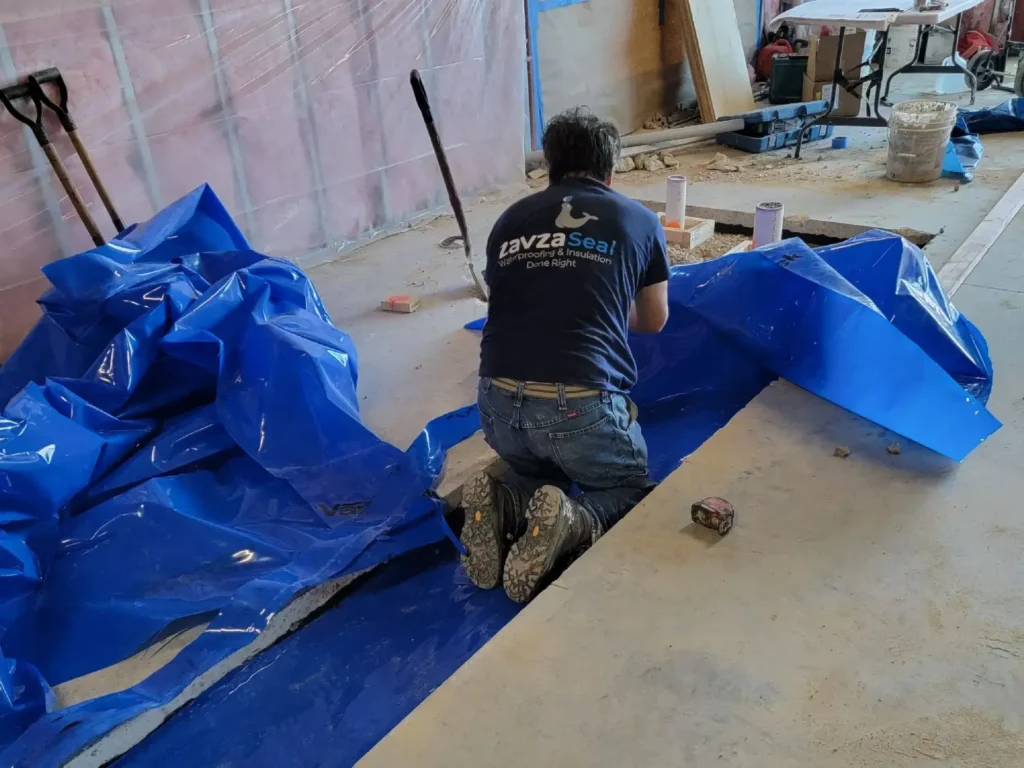
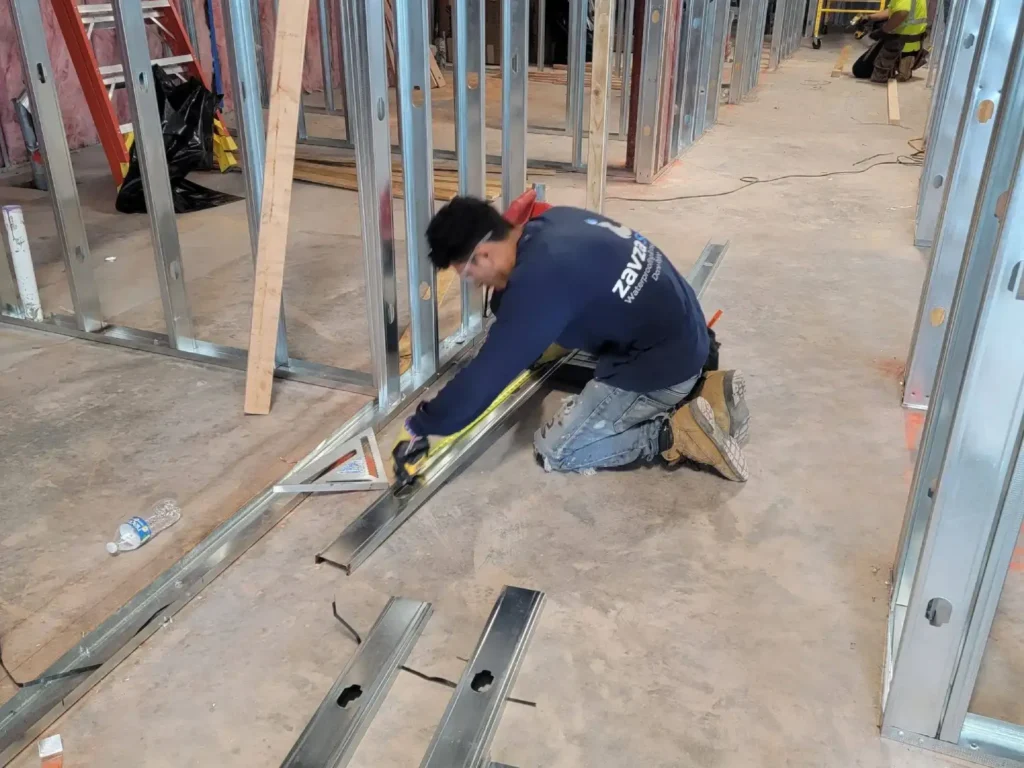
This example is included for structural comparison only. It shows how frustration can form after payment, when one party depends on follow-through rather than performance.
How to Judge “Scam” Claims Without Guesswork
The practical way to evaluate this question is to separate deception from breakdown.
Questions that help do that:
- Were terms and procedures explained before payment
- Did problems arise after the agreement was fulfilled
- Was access reduced once payment was complete
- Did administrative steps surface later than expected
- Was there a clear escalation path when issues appeared
Most situations labeled as scams reflect failed follow-through rather than false inducement.
Bottom Line
The word “scam” persists because it captures a loss of control after payment. The reviews and timelines examined here point to delays, communication gaps, and post-payment friction, not to coordinated deception at the point of sale. Understanding when the language appears makes it easier to assess risk without relying on the harshest accusation available.
For more contents like this one visit our blog page.

Seth Hatfield, a maverick in the realm of writing, seamlessly weaves tales from the world of construction and beyond. With a unique blend of insight and creativity, he invites readers on a journey through his diverse repertoire of articles.