
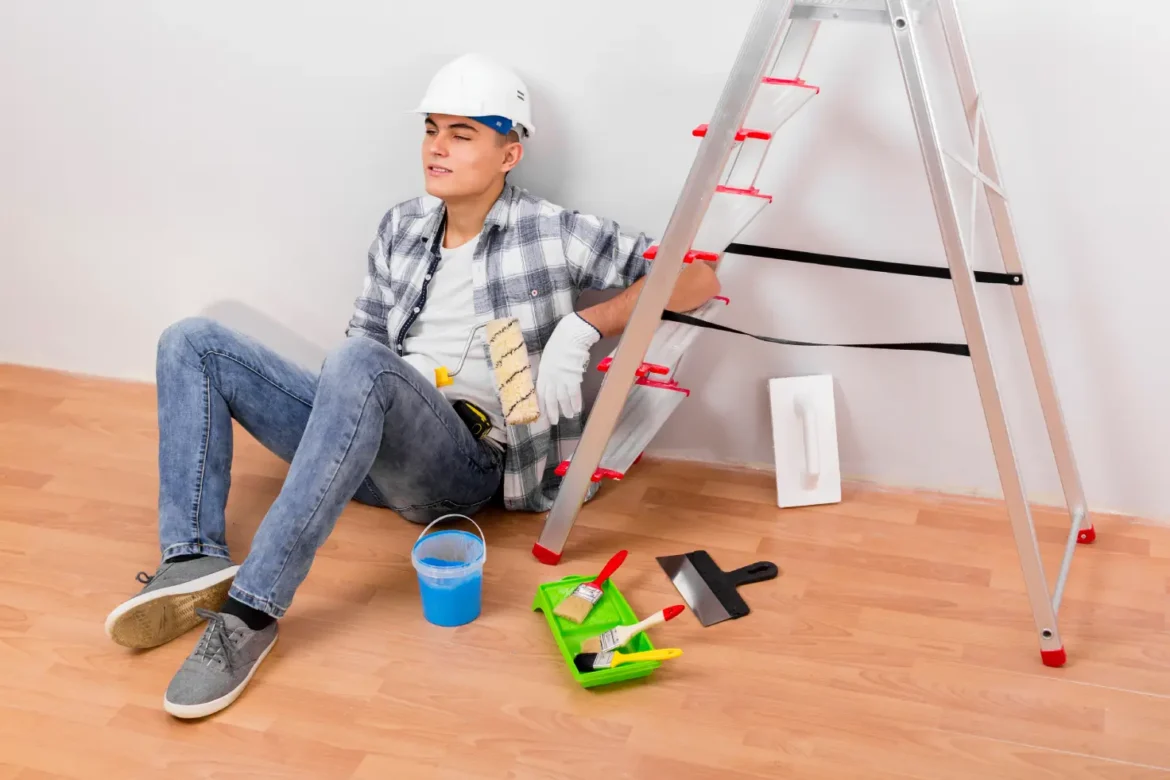
DIY home repair has become increasingly popular among homeowners across the United States. Online tutorials, step by step videos, and affordable tools make many projects appear simple and cost effective. While some minor tasks can be handled safely by homeowners, others carry hidden risks that are often underestimated. In a city like Atlanta, where homes range from historic properties to modern construction, knowing when DIY repairs become risky is essential.
This article outlines common home repair situations where DIY work can lead to safety hazards, higher costs, or code violations. It also explains when calling a professional handyman in Atlanta is the safer and more practical choice.
Understanding the Limits of DIY Home Repairs
DIY projects typically work best for cosmetic or low risk tasks such as painting a room, replacing cabinet hardware, or assembling furniture. Problems arise when repairs involve structural components, electrical systems, plumbing, or safety critical installations.
According to the Consumer Product Safety Commission, home improvement related injuries send hundreds of thousands of Americans to emergency rooms each year. Many of these injuries result from falls, electrical shocks, or improper tool use during home repairs.
In Atlanta, additional factors increase risk, including older housing stock, humid climate conditions, and varying building codes across metro jurisdictions.
Electrical Repairs: High Risk With Serious Consequences
Electrical work is one of the most dangerous categories of DIY home repair. Even small mistakes can result in fire hazards, electrical shock, or long term system damage.
Common DIY Electrical Mistakes
- Replacing outlets without proper grounding
- Overloading circuits
- Installing light fixtures incorrectly
- Using incorrect wire gauge
- Failing to turn off power at the breaker
The National Fire Protection Association reports that electrical failures are a leading cause of residential fires in the United States.
When to Call a Handyman in Atlanta
A professional handyman with electrical experience should be contacted when:
- Installing or relocating outlets
- Replacing ceiling fans or light fixtures
- Troubleshooting flickering lights or tripping breakers
- Updating older wiring in pre 1990 Atlanta homes
Local professionals are familiar with Georgia electrical standards and can identify issues that may not be obvious to homeowners.
Plumbing Repairs: Water Damage Happens Fast
Plumbing repairs often appear simple at first glance, but water damage can escalate quickly when mistakes are made.
High Risk Plumbing Scenarios
- Replacing shutoff valves
- Repairing leaks inside walls
- Installing toilets or sinks incorrectly
- Improper pipe connections
- Using incompatible materials
Even a small leak can cause mold growth, wood rot, and drywall damage. In Atlantas humid climate, moisture related damage spreads faster and becomes more expensive to repair.
When DIY Becomes Risky
Call a handyman when:
- Water pressure is inconsistent
- Leaks are not easily accessible
- Drain backups persist
- Fixtures require modification to existing plumbing
A handyman in Atlanta can address minor plumbing repairs before they turn into major restoration projects.
Structural Repairs: Safety Should Come First
Structural repairs should rarely be attempted without professional help. These repairs directly impact the safety and stability of the home.
Examples of Structural Repairs
- Door frame adjustments
- Subfloor repairs
- Drywall replacement after water damage
- Deck board replacement
- Fence post stabilization
In older Atlanta neighborhoods, many homes were built with materials and methods that require specialized knowledge. Improper repairs can compromise load bearing elements or violate local codes.
Why Professional Help Matters
A qualified handyman understands:
- Load distribution
- Proper fastening techniques
- Code compliance
- Material compatibility
Attempting structural fixes without this knowledge increases the risk of injury and future repair costs.
Ladder and Height Related Repairs
Falls remain one of the leading causes of home improvement injuries. Roof and ladder related repairs are especially hazardous.
High Risk Tasks at Height
- Gutter cleaning and repair
- Roof shingle replacement
- Exterior painting on multi story homes
- Installing exterior lighting
- Tree limb removal near structures
The Centers for Disease Control and Prevention reports that falls are a leading cause of injury related deaths in home maintenance activities.
Atlanta Specific Considerations
Many Atlanta homes have steep rooflines and mature trees. Combined with frequent rain, surfaces can become slippery and unstable.
A professional handyman like KD Pro Handyman has the proper ladders, safety equipment, and experience to work at height safely.
Improper Repairs Can Violate Local Codes
Building codes exist to protect homeowners and occupants. DIY repairs that do not meet code requirements can lead to failed inspections, fines, or complications during home sales.
Common Code Issues From DIY Work
- Unpermitted electrical modifications
- Improper bathroom ventilation
- Unsafe stair rail installations
- Non compliant deck repairs
In Atlanta and surrounding counties, building codes may vary slightly by jurisdiction. A local handyman understands these requirements and ensures repairs align with current standards.
Time and Cost Miscalculations
One of the most overlooked risks of DIY home repair is inaccurate cost estimation.
Common Cost Errors
- Buying incorrect materials
- Needing to redo work
- Renting specialized tools
- Repairing damage caused by mistakes
What begins as a low cost DIY project often becomes more expensive than hiring a professional from the start.
Handyman services in Atlanta often provide efficient solutions because they already have the tools, materials knowledge, and experience needed to complete repairs correctly the first time.
When DIY Delays Create Bigger Problems
Postponing repairs due to uncertainty or failed DIY attempts can worsen the underlying issue.
Examples of Escalating Problems
- Small leaks leading to mold
- Loose railings becoming fall hazards
- Cracked caulk allowing moisture intrusion
- Minor drywall damage expanding due to humidity
Atlanta weather patterns include heavy rainfall and high humidity, which accelerate deterioration when repairs are delayed.
A handyman can address these issues promptly and prevent long term damage.
Situations Where Calling a Handyman Makes Sense
DIY is not always the best option. Homeowners should strongly consider professional help when repairs involve:
- Safety risks
- Electrical or plumbing systems
- Structural components
- Time sensitive damage
- Unfamiliar tools or materials
A reliable Atlanta handyman can evaluate the issue, recommend the correct solution, and complete the repair efficiently.
Benefits of Hiring a Local Handyman in Atlanta
Working with a local professional provides several advantages:
- Knowledge of Atlanta housing styles
- Familiarity with regional building codes
- Faster response times
- Accountability and reputation within the community
Local experience matters, especially when dealing with older homes, weather related wear, and unique neighborhood construction trends.
Final Thoughts
DIY home repairs can be practical for minor tasks, but they become risky when safety, structural integrity, or code compliance are involved. Electrical work, plumbing repairs, structural fixes, and height related tasks present real dangers that should not be underestimated.
For Atlanta homeowners, recognizing the limits of DIY is key to protecting both property and personal safety. Calling a qualified handyman at the right time helps prevent injuries, reduces long term costs, and ensures repairs are completed correctly.
When home repairs move beyond basic maintenance, professional handyman services provide a safer and more reliable solution.

Seth Hatfield, a maverick in the realm of writing, seamlessly weaves tales from the world of construction and beyond. With a unique blend of insight and creativity, he invites readers on a journey through his diverse repertoire of articles.