
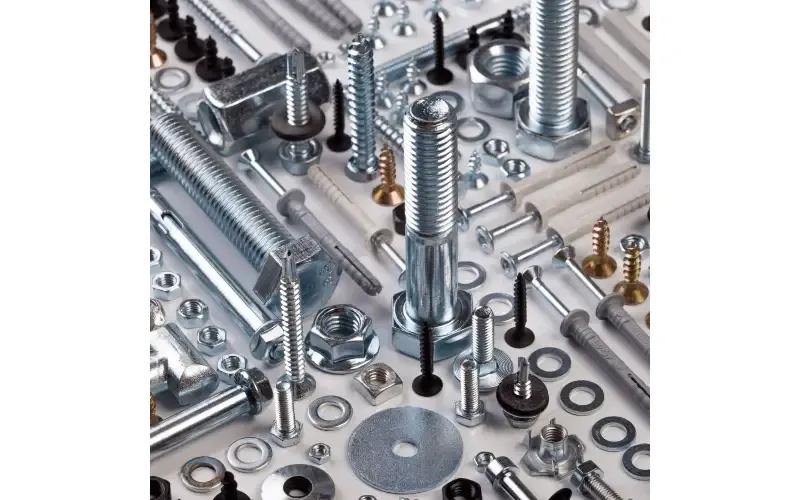
Screw manufacturers in India meet global quality standards by using high-quality raw materials tested in advanced labs to ensure strength and durability. Their manufacturing processes involve precise wire drawing, cold forging, and heat treatment with modern PLC-controlled furnaces for consistent mechanical properties. They apply sophisticated coatings such as zinc and chromium plating to improve corrosion resistance based on specific environmental needs. Indian makers also invest in strong design capabilities using CAD tools to deliver customized fastening solutions across industries like aerospace, automotive, and construction. Strict adherence to BIS certification and government quality orders ensures compliance with Indian and international norms, supported by continuous testing and audits that guarantee reliability worldwide.
Use of Premium Raw Materials and Modern Manufacturing Techniques
Screw manufacturers in India begin with sourcing premium raw materials that undergo rigorous testing in advanced laboratories to verify chemical composition and forging suitability. This ensures the base material meets strict standards before entering production. The wire drawing process uses modern, precise equipment to achieve exact diameters, providing consistent quality for subsequent forging operations. Cold forging is performed on multi-station machines capable of handling high tonnage, which shapes screws accurately while minimizing the need for additional machining. Circular rolling machines efficiently produce various thread profiles with high precision, ensuring dimensional consistency. Heat treatment is carefully controlled using PLC-based continuous furnaces, delivering specific mechanical properties such as tensile strength, yield strength, and fatigue resistance tailored to application requirements. To enhance corrosion resistance and mechanical performance, manufacturers apply advanced coatings including nickel, silver, cadmium, chromium, zinc plating, phosphate plating, and black oxidizing. These coatings are selected based on the environmental challenges screws will face, such as temperature extremes, chemical exposure, and mechanical stresses. Screws are designed considering tensile, compression, and shear strengths to meet the demands of diverse industries. Automation and strict process controls ensure consistent quality and dimensional accuracy throughout production batches. At the same time, manufacturers balance cost optimization by choosing suitable raw materials and coatings that meet performance expectations without unnecessary expense. This integration of premium materials and modern manufacturing technology enables Indian screw makers to produce reliable, high-quality fasteners that comply with global standards.

Design Innovation and Engineering Expertise in Indian Screws
Indian screw manufacturers leverage advanced CAD and CAE tools to create screws with optimized geometry and enhanced strength, ensuring precise fit and performance for global applications. Engineering teams specialize in developing custom fasteners tailored for demanding industries like aerospace, automotive, and marine, where niche requirements call for unique designs. Feedback loops with OEMs and end users drive continuous design improvements, focusing on assembly efficiency and durability. Simulation and rigorous testing predict how screws behave under stress and fatigue, helping engineers refine thread forms, head styles, and locking mechanisms to accommodate diverse operating conditions. Material selection is integrated early in the design process to balance factors such as weight, strength, and corrosion resistance, which is crucial for high-performance applications. Rapid prototyping accelerates the development cycle, allowing manufacturers to quickly iterate and validate new screw concepts. Indian engineering teams stay current with global trends through continuous training and collaborate with research institutes to pioneer next-generation fastening solutions. This combined expertise ensures that Indian screws meet international standards and client specifications, positioning them competitively on the global stage.
- CAD and CAE tools are used extensively to design screws with optimized geometry and strength.
- Engineering teams develop custom fasteners for niche applications in aerospace, automotive, and marine sectors.
- Design modifications are made based on feedback from OEMs and end users to improve assembly efficiency and durability.
- Simulation and testing help predict performance under stress and fatigue conditions.
- Indian manufacturers innovate in thread forms, head styles, and locking mechanisms to meet diverse needs.
- Engineering processes align with international standards and client specifications for global acceptance.
- Rapid prototyping techniques facilitate quick development of new screw designs.
- Material selection is integrated into design to balance weight, strength, and corrosion resistance.
- Continuous training keeps engineering teams updated with global trends and technologies.
- Collaboration with research institutes supports development of next-generation fastening solutions.
BIS Certification and Compliance for Quality Assurance
BIS certification plays a crucial role in ensuring the quality of screws manufactured in India by enforcing strict adherence to mechanical and dimensional standards. For screws to be legally sold in the Indian market, they must comply with relevant Indian Standards such as IS 1367 for general fasteners, IS 3612 for hex bolts and nuts, and IS 6649 for washers. The certification process involves submitting comprehensive technical documentation along with product samples, which are then tested in BIS-approved laboratories. These tests assess critical properties including tensile strength, hardness, corrosion resistance, and thread precision to confirm that the screws meet required performance benchmarks. Beyond lab testing, BIS conducts factory audits to evaluate quality management systems, process controls, and worker safety protocols, ensuring that manufacturing practices align with prescribed standards. When all criteria are met, the product is awarded the ISI mark, a widely recognized quality symbol in India that signals reliability to both domestic and international buyers. The certification is not a one-time event; it is subject to periodic reviews and random sample testing to maintain consistent quality over time. Failure to comply with BIS requirements can lead to exclusion from the market and legal penalties under Indian regulations, emphasizing the importance of certification for manufacturers. Additionally, the BIS framework encourages continuous improvement by providing feedback and requiring corrective actions when deviations occur. This rigorous compliance process helps Indian screw manufacturers uphold a high standard of quality, reinforcing their credibility and competitiveness in global markets.
Government Quality Control Orders Impacting Screw Manufacturing
The Cross Recessed Screws Quality Control Order (QCO) plays a significant role in shaping the quality landscape for screw manufacturers in India. This order mandates that screws must bear the Bureau of Indian Standards (BIS) mark to ensure consistent quality across domestic production and imports. Covering 14 specific Indian standards, the QCO applies to medium and large-scale manufacturers, including foreign companies operating in the country. While imports integrated into finished goods or used for research purposes have certain exemptions, the regulation enforces strict penalties for non-compliance, including fines starting at ₹2 lakhs and imprisonment up to two years. By aligning with World Trade Organization technical regulations, the order not only protects consumers from low-quality products but also supports the growth of the domestic screw industry by curbing substandard imports. It encourages manufacturers to invest in quality infrastructure, certification, and compliance processes, which enhances product reliability and market credibility. Government agencies conduct periodic inspections and market surveillance to enforce these standards, fostering transparency and accountability throughout the fastener supply chain. For example, manufacturers have upgraded their production lines and quality checks to meet these requirements, resulting in better market acceptance both nationally and internationally.
Testing Protocols and Quality Assurance Practices
Indian screw manufacturers employ comprehensive testing protocols to ensure their products meet global quality standards. Mechanical tests such as tensile, yield, fatigue strengths, and hardness measurements are conducted to verify that screws perform reliably under various stresses. Corrosion resistance is assessed through salt spray and other environmental exposure tests, confirming durability in harsh conditions. Heat treatment processes are closely monitored using continuous PLC-controlled furnaces to maintain consistent metallurgical properties. Coating thickness and adhesion tests further validate the effectiveness of protective finishes like zinc plating and black oxidizing, which guard against rust and wear.
Quality assurance involves both in-house laboratories and accredited third-party testing facilities that perform detailed evaluations. Batch-wise sample testing combined with traceability systems ensures that every production lot maintains consistent quality, allowing quick identification and correction of deviations. Internal audits alongside inspections by the Bureau of Indian Standards (BIS) verify strict adherence to prescribed processes and facilitate timely corrective actions. Statistical process control tools are employed for real-time monitoring, helping detect trends that may lead to defects.
For critical applications, non-destructive testing methods such as ultrasonic and magnetic particle inspections are applied to detect internal flaws without damaging the screws. Quality assurance teams analyze data trends from these tests to implement continuous improvements and prevent future issues. This robust system of testing, monitoring, and corrective feedback ensures Indian screws consistently meet the stringent performance and safety criteria demanded by global markets.
Benefits Gained from Meeting Global Quality Standards
Meeting global quality standards offers several clear advantages for screw manufacturers in India. Compliance with BIS and Quality Control Order (QCO) requirements not only grants access to the vast Indian market and government projects but also establishes a strong foundation for export opportunities. Screws that conform to international standards like IS, DIN, JIS, ASTM, or BS are welcomed in global markets, opening doors to industries demanding high reliability and safety. Producing high-quality screws builds trust among original equipment manufacturers (OEMs) and end users, resulting in fewer warranty claims and product failures. This consistent product performance boosts brand reputation both domestically and internationally, which is vital for long-term business growth. Moreover, adherence to quality standards streamlines supply chain management by minimizing rejections and returns, thus reducing operational costs. It also enables manufacturers to participate confidently in global tenders and projects, increasing their competitiveness. Quality-focused manufacturing leads to longer service life and safer assemblies, especially important in critical sectors like automotive, aerospace, and construction. Sustainable practices aligned with these standards improve environmental impact, reflecting a commitment to responsible production. Overall, manufacturers benefit from increased market competitiveness, expanded growth prospects, and higher profit margins. The continuous emphasis on quality also drives innovation and operational efficiencies, keeping Indian screw makers at the forefront of global industry trends.
Global Competitiveness and Industry Outlook for Indian Manufacturers
Indian screw manufacturers have positioned themselves as key global players by producing over 6000 screw variants, ranging from M3 to M24, that meet stringent international standards such as IS, DIN, JIS, ASTM, and BS. This wide product range allows them to serve diverse industries including automotive, aerospace, and construction, where reliability and precision are critical. Investment in advanced manufacturing technologies and R&D fuels innovation, enabling customized solutions like engineered fasteners and specialized coatings that address unique environmental and mechanical conditions. Strategic improvements in tooling and supply chain management help reduce lead times and costs, enhancing their appeal to global OEMs. Moreover, collaborations with international research bodies support continuous product development, keeping Indian manufacturers aligned with evolving market demands. Backed by supportive government policies and regulatory frameworks, including mandatory BIS certification and quality control orders, the industry maintains high standards that boost export volumes and global trust. Looking ahead, steady growth is expected, driven by infrastructure projects and expanding industrial bases, which will further strengthen India’s role as a reliable and competitive supplier in the global fastener market.
Frequently Asked Questions
1. How do screw manufacturers in India ensure their products meet international quality certifications?
Manufacturers follow strict processes aligned with global standards like ISO and ASTM. They implement quality management systems, conduct regular audits, and use certified raw materials to comply with these certifications consistently.
2. What role does technology play in maintaining global quality standards for screws produced in India?
Advanced machinery and automated inspection tools help maintain precision and consistency. Technologies like CNC machining, robotic assembly, and digital quality checks reduce human error and ensure screws meet exact specifications required worldwide.
3. How do Indian screw manufacturers handle material selection to meet global quality expectations?
They source raw materials from trusted suppliers who provide certified metals and alloys. Material testing, including chemical composition analysis and mechanical property evaluation, ensures each batch meets international standards before production.
4. What quality control measures are commonly adopted by screw manufacturers in India to meet global requirements?
Manufacturers employ multi-stage inspections including incoming material checks, in-process monitoring, and final product testing. They use tools such as tensile testing, hardness testing, and dimensional analysis to verify every screw meets quality parameters.
5. How important is workforce training in helping Indian screw manufacturers achieve global quality standards?
Consistent training ensures workers understand quality protocols and use equipment correctly. Skilled personnel can identify defects early, follow best manufacturing practices, and improve overall product quality to match global expectations.
TL;DR Indian screw manufacturers meet global quality standards through the use of premium raw materials and advanced manufacturing methods, including precise cold forging and modern heat treatment. Strong engineering expertise and design innovation support customized solutions for various industries. Compliance with mandatory BIS certification and government quality control orders ensures safety and quality, backed by rigorous testing and audits. These measures help manufacturers gain trust, enhance product reliability, and boost exports, positioning India as a competitive player in the global screw market.

Seth Hatfield, a maverick in the realm of writing, seamlessly weaves tales from the world of construction and beyond. With a unique blend of insight and creativity, he invites readers on a journey through his diverse repertoire of articles.