
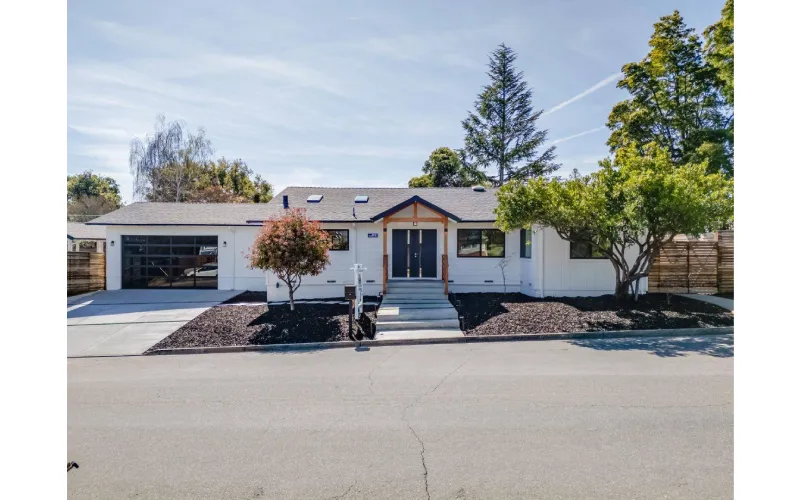
Redwood City’s real estate market in 2025 remains a solid choice for those wanting to live the California dream. Median home prices have risen to about $1.9 million, showing steady growth despite a slight decline in sales volume compared to last year. The tech industry continues attracting buyers, creating strong demand, especially near improved transit options like Caltrain and upcoming BART expansions. Family-friendly neighborhoods such as Redwood Shores and Woodside Plaza offer good investment potential with single-family homes. Multifamily properties are also appealing due to high rental demand. Buyers should consider environmental risks, tax strategies like 1031 exchanges, and work with local experts for the best opportunities ahead.
Redwood City Real Estate Market Trends in 2025
In 2025, Redwood City real estate market shows a mix of steady growth and subtle cooling signs. The median home price sits at $1.9 million as of April, marking a 10% increase from the previous year. Homes remain competitive, typically attracting around five offers and selling in about 13 days, a slight increase from last year’s 9-day average. The sale-to-list price ratio holds firm at 105.3%, though this is down by 1.5 percentage points year-over-year, with 68.3% of homes still selling above their list price, reflecting a modest decline from last year. However, sales volume has dropped significantly by 28.1%, from 57 homes sold last April to just 41 this year, pointing to a market that is competitive but cooling off somewhat. Price per square foot has decreased by nearly 10%, now around $1,080, suggesting buyers may be gaining a bit more leverage. Neighborhood trends reveal mixed results: Redwood Shores experienced a median price drop of 13.9% to about $1.5 million, while the 94063 zip code saw a smaller decline of 3.8%, with a median price near $1.3 million. On the upscale end, luxury homes in prime areas like Woodside and California Way continue to command strong prices, ranging from $3.2 million to $4.7 million as of May 2025. Overall, the market remains competitive but is showing early signs of balance, offering both challenges and opportunities for buyers and investors navigating Redwood City’s dynamic housing landscape.

Migration Patterns Shaping Redwood City Housing Demand
Redwood City’s housing demand is strongly influenced by distinct migration patterns tied to its growing tech economy. About 77% of buyers prefer to remain within the Redwood City metro area, reflecting a desire to stay close to work, schools, and established communities. This core group mostly consists of younger professionals and families attracted by steady job opportunities and a family-friendly environment. Meanwhile, 23% of buyers are moving out to metros like Sacramento, Miami, and Portland, often retirees or those seeking a lower cost of living. On the inbound side, many buyers come from places such as Honolulu, Knoxville, and Santa Barbara, drawn by the promise of career growth and lifestyle upgrades. The steady influx of tech professionals continues to drive demand, especially in neighborhoods with good transit access and quality schools. These migration trends keep pressure on both rental and purchase markets, contributing to limited inventory and rising prices. As a result, housing remains concentrated in transit-oriented and family-focused areas, where demand outpaces supply, shaping Redwood City’s competitive real estate landscape.
- 77% of buyers prefer to stay within the Redwood City metro area
- 23% of buyers are moving out to other metros such as Sacramento, Miami, and Portland
- Inbound buyers largely come from Honolulu, Knoxville, and Santa Barbara
- Steady influx of tech professionals supports continuous housing demand
- Population growth driven by tech sector expansion and local job opportunities
- Younger professionals and families are the main demographic fueling demand
- Out-migration mostly involves retirees or those seeking lower cost of living
- Migration trends influence both rental and purchase markets
- Housing demand concentrated in transit-accessible and family-friendly neighborhoods
- Migration data suggests sustained pressure on housing inventory and prices
Environmental Risks Affecting Property Values
Redwood City’s real estate market faces notable environmental challenges that buyers and investors must seriously consider. Nearly 39% of properties are projected to face extreme flood risk within the next 30 years, a factor that already influences property values and buyer interest, especially in lower-lying neighborhoods. Flood zones often lead to higher insurance premiums and sometimes limited availability, which can deter some buyers or reduce a property’s appeal. Meanwhile, about 15% of homes carry moderate wildfire risk, prompting a growing demand for fire-resistant building materials and mitigation strategies, such as defensible space landscaping and upgraded roofing. Although severe wind risk is minimal and generally not a concern, the heat risk is more widespread, 85% of homes experience moderate heat exposure, with rising numbers of hot days expected. This trend impacts energy costs, as cooling demands increase, and also affects outdoor livability, which may influence long-term desirability. Local regulations and building codes are evolving in response to these environmental pressures, potentially affecting new developments and renovation costs. Understanding these risks is essential not only for assessing property values but also for anticipating future insurance expenses and resale potential in Redwood City’s competitive market.
Impact of Infrastructure and Transit Developments
Redwood City’s ongoing infrastructure and transit improvements are shaping the real estate market in meaningful ways. Enhanced Caltrain services have made commuting easier for residents and workers, increasing the appeal of neighborhoods near stations. With BART expansion plans on the horizon, transit access will broaden further, attracting more investment to areas like Redwood Shores and Woodside Plaza. These neighborhoods are experiencing transit-oriented growth, where proximity to reliable public transportation boosts property values and neighborhood desirability. Downtown and tech corridor redevelopment projects are also transforming the cityscape, introducing mixed-use developments that combine residential and commercial spaces. This trend not only draws investors but supports a walkable lifestyle with modern amenities that appeal to tech professionals and families alike. Infrastructure upgrades, such as improved roads and pedestrian pathways, reduce commute times and encourage sustainable growth, aligning with city-led urban revitalization goals. As the tech industry expands, demand for office space fuels commercial development, which in turn drives housing demand nearby. All these transit and infrastructure projects contribute to long-term neighborhood appreciation, making Redwood City a promising market for real estate buyers and investors looking to benefit from Silicon Valley’s continued growth.
How the Tech Industry Drives Local Real Estate?
Redwood City’s real estate market is closely tied to the presence and growth of major tech companies like Oracle, Google, and Tesla. These firms bring high-paying jobs that increase demand for both owned and rental housing. Single-family homes in family-friendly neighborhoods see strong competition as tech workers often seek spacious living near good schools and transit hubs. At the same time, younger tech professionals favor multifamily rentals, driving up demand and supporting a vibrant rental market. As the tech sector grows steadily, housing prices have correspondingly risen, reflecting the area’s desirability. Corporate expansions also spark growth in commercial real estate, with new office spaces and mixed-use developments catering to tech employees. Additionally, the local market adapts by investing in amenities and smart home features that appeal to tech-savvy buyers and renters. Rental vacancy rates and price trends often fluctuate with tech industry cycles, making the market dynamic but resilient. Overall, Redwood City’s tech-driven economy creates a strong foundation for real estate demand, balancing the needs of families and younger professionals alike.
Best Single-Family Home Neighborhoods to Watch
Redwood Shores stands out as a top choice for families, offering a quiet, friendly environment with plenty of parks and well-regarded schools. It provides a good balance of suburban calm and access to city amenities, although recent price drops have created some buying opportunities. Woodside Plaza appeals to buyers seeking newer homes close to major tech campuses, making it popular among professionals who want short commutes and modern living spaces. Neighborhoods near transit hubs, especially those benefiting from Caltrain and upcoming BART expansions, show strong potential for appreciation as connectivity improves. Areas with lower environmental risks, such as reduced flood danger, are increasingly favored by buyers mindful of long-term safety and insurance costs. Some zones attract buyers due to their close-knit community feel and excellent schools, driving steady demand for single-family homes. Recent infrastructure upgrades in certain neighborhoods have led to consistent price gains, reflecting growing confidence in these areas. For luxury buyers, neighborhoods around California Way remain attractive due to high-end homes and exclusivity. Single-family homes across these neighborhoods maintain steady demand, offering long-term appreciation potential amid Redwood City’s competitive market. Emerging communities with planned developments also present promising growth prospects for those looking to invest early in up-and-coming areas that blend family-oriented living with urban convenience.
Opportunities in Multifamily and Commercial Properties
Multifamily properties in Redwood City continue to attract strong interest due to consistent rental demand, largely fueled by the influx of tech workers seeking convenient living close to their jobs. These properties offer investors stable cash flow and valuable diversification, especially as younger professionals prioritize locations that combine ease of commute with lifestyle amenities. Mixed-use developments are on the rise, blending residential units with commercial spaces to create vibrant communities that meet both living and working needs. On the commercial side, demand grows steadily for office buildings and coworking spaces tailored to the tech sector, with properties near transit hubs becoming especially desirable for tenants. Redevelopment zones present opportunities for value-add investments, where upgrading older buildings or repurposing spaces can generate significant returns. Retail spaces integrated into mixed-use projects support local businesses and enhance neighborhood appeal, further strengthening investment potential. To capitalize on these trends, investors should keep a close watch on zoning updates and city development plans, as these can influence property values and unlock new possibilities in both multifamily and commercial real estate segments.
Tax Strategies for Redwood City Real Estate Investors
For real estate investors in Redwood City, leveraging tax strategies like the IRS Section 1031 Exchange can be a game changer. This provision allows investors to defer capital gains taxes by reinvesting the proceeds from a sold property into a similar, or “like-kind,” property. Given the high local property prices, many investors carefully consider out-of-state exchanges to maximize their portfolio growth while managing tax liabilities. However, California’s state tax laws include clawback provisions that can complicate the deferral benefits, so understanding both federal and state regulations is essential.
Investors must strictly adhere to IRS deadlines, including the 45-day identification window and the 180-day closing period, and work with qualified intermediaries to avoid common pitfalls like missing these windows or using unqualified parties. When done correctly, 1031 exchanges significantly increase buying power, enabling expansion into multifamily or commercial properties that offer solid cash flow and appreciation potential.
Beyond exchanges, Redwood City investors can enhance returns by using depreciation and cost segregation studies. These tools accelerate deductions, improving cash flow during ownership. Given the complex regulatory environment, partnering with local tax experts and firms like Magnify Equity helps investors navigate these nuances and identify opportunities aligned with market trends. This expert guidance ensures compliance and maximizes tax advantages, which are especially valuable in a competitive market with rising prices and strong demand.
2025 Market Outlook and Smart Investment Moves
Redwood City continues to favor sellers in 2025, with home prices steadily rising despite a slight cooling in market pace. While overall sales volume has dropped, demand remains strong, especially in emerging neighborhoods where early investments can unlock higher appreciation. Properties near transit hubs are particularly promising, as upcoming infrastructure upgrades like expanded Caltrain and BART access boost accessibility and desirability. Multifamily and rental properties stand out as smart choices, offering steady income streams amid persistent housing demand fueled by the tech sector. Luxury homes remain active, attracting high-net-worth buyers seeking prime locations, though buyers should be mindful of environmental risks such as flood and heat exposure, which can affect property values and insurance costs. Keeping an eye on city redevelopment plans opens doors to new opportunities, especially in mixed-use and tech corridor areas. Savvy investors benefit from strategic tax planning, including 1031 exchanges, to enhance returns while navigating California’s tax landscape. Partnering with experienced brokers is crucial to handle competitive bidding and to identify properties aligned with long-term growth. Overall, Redwood City’s market in 2025 rewards well-informed buyers who balance opportunity with risk, focusing on transit proximity, emerging neighborhoods, and diversified asset types to maximize their investment potential.
Frequently Asked Questions
1. What makes Redwood City a desirable place to buy a home in 2025?
Redwood City offers a great mix of natural beauty, growing tech industries, and cultural attractions. Its proximity to San Francisco and Silicon Valley makes it a strong choice for buyers looking for convenience and lifestyle perks.
2. How are new real estate developments shaping the Redwood City market this year?
New developments focus on sustainable designs and modern amenities, catering to professionals and families alike. These projects often include green spaces and community features that enhance living standards in the area.
3. What types of properties are most popular in Redwood City right now?
Single-family homes, townhouses, and condos are all in demand, with many buyers seeking energy-efficient and smart home features. The mix allows buyers to find options that suit various lifestyles and budgets.
4. How is the local infrastructure affecting real estate opportunities in Redwood City?
Improvements in transportation, schools, and public services are making Redwood City more accessible and attractive. These upgrades support the area’s growth and add value to residential properties over time.
5. What should someone consider before investing in Redwood City real estate in 2025?
Buyers should evaluate long-term community plans, the balance between work and living spaces, and environmental factors. Understanding local zoning and neighborhood dynamics will also help in making an informed decision.
TL;DR Redwood City’s 2025 real estate market stays competitive with rising prices and strong demand fueled by the tech sector and infrastructure upgrades. Single-family homes in family-friendly neighborhoods and multifamily properties for rental income present solid opportunities. Buyers should consider environmental risks like flooding and heat when investing. Tax strategies such as 1031 exchanges can optimize returns, especially with California’s unique rules. Early moves in emerging areas near transit offer the best potential for appreciation and steady cash flow.

Seth Hatfield, a maverick in the realm of writing, seamlessly weaves tales from the world of construction and beyond. With a unique blend of insight and creativity, he invites readers on a journey through his diverse repertoire of articles.